




The Cosmic Whisper and the Local Shout
Imagine trying to hear a pin drop in the middle of a rock concert. That’s the fundamental challenge for space-based radio astronomy. The signals from distant cosmic events, like the birth of the first stars, are incredibly faint by the time they reach
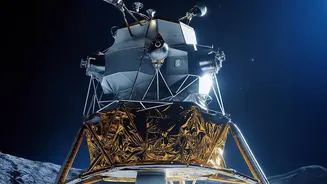
us. These are the whispers astronomers are desperate to hear. At the same time, the spacecraft carrying the delicate antenna is a hive of electronic activity—a local shout. Its computers, power supplies, communication systems, and even heaters all generate their own electromagnetic radiation. This self-generated noise is known as Radio Frequency Interference (RFI) or Electromagnetic Interference (EMI), and it can easily drown out the priceless scientific data the mission was built to collect. Even minor interference can corrupt data, mimic commands, or damage sensitive components, putting the entire mission at risk.
Where Does the Noise Come From?
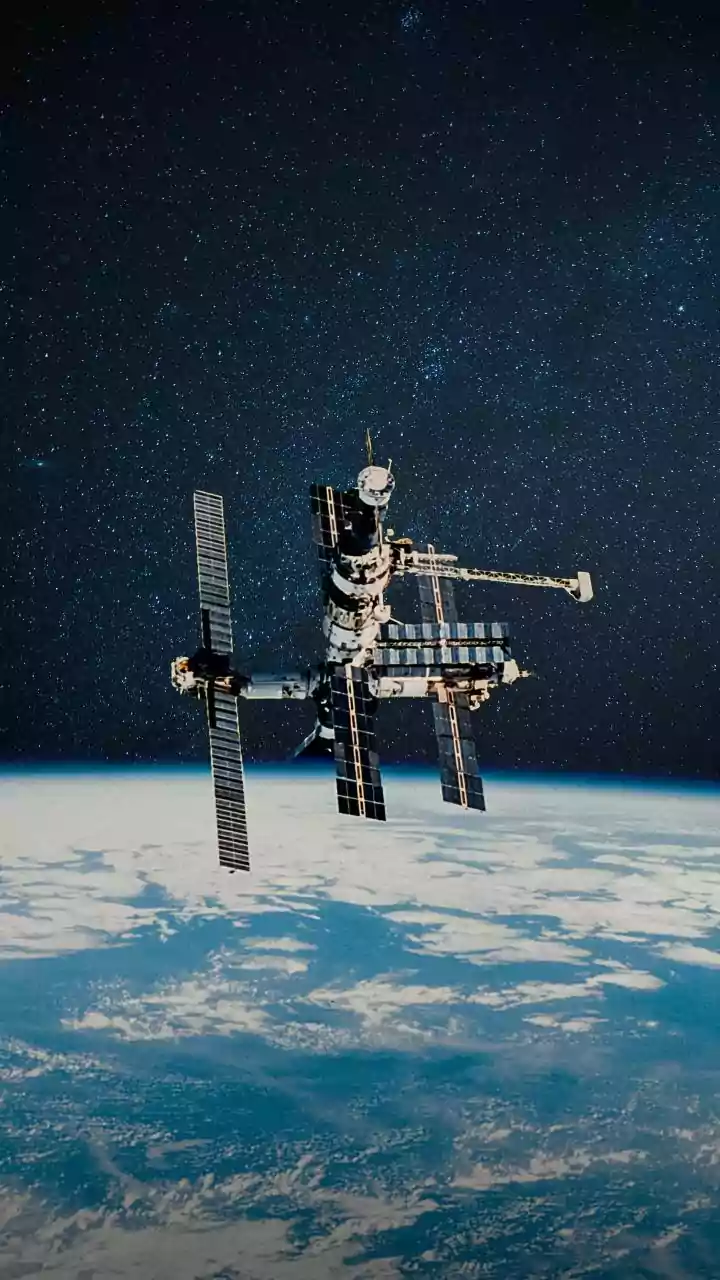
A modern spacecraft is a complex machine with dozens of electronic systems operating simultaneously. Each one is a potential source of RFI. The onboard computers that process data and run the spacecraft's functions are a major source. Switching power systems, which convert and regulate electricity for different components, create electromagnetic noise as a byproduct. The very transmitters used to send data back to Earth are incredibly powerful and can interfere with the craft's own sensitive receivers if not perfectly managed. On top of this, cosmic radiation and charged particles in space can strike electronic components, causing data corruption known as 'bit flips' or even permanent damage through phenomena like single-event latch-ups. This creates a crowded, noisy environment that engineers must meticulously control.
The Art of Engineering Silence
Solving the self-interference problem requires a multi-layered approach that begins long before launch. A key strategy is careful design and shielding. Engineers use specialized materials to build what is essentially a Faraday cage around noisy components, trapping their emissions. They also pay close attention to the physical layout, strategically placing antennas and sensitive receivers to minimize their exposure to the spacecraft's own transmitters. Another technique is frequency planning, which involves carefully coordinating the frequencies and timing of all onboard radio systems to avoid 'crosstalk'. Before launch, spacecraft undergo rigorous testing in specialized anechoic chambers on Earth. These rooms, like ESA's Maxwell chamber, are designed to block all external signals and absorb internal ones, simulating the electromagnetic environment of space and allowing engineers to hunt down and fix sources of self-interference.
Software to the Rescue
While hardware solutions are critical, advanced software is the final line of defense. Modern radio telescopes and spacecraft use sophisticated algorithms to filter out unwanted noise from the data they collect. Some systems use a technique called 'time blanking' or 'frequency blanking', where they identify and simply delete the tiny slices of data contaminated by a known interference source. More advanced methods involve adaptive cancellation. By using a secondary antenna to specifically listen for the spacecraft's own noise, a computer can create a precise 'anti-noise' signal that is then subtracted from the main scientific data, effectively cancelling out the interference. Artificial intelligence is also being developed to identify and mitigate complex RFI in real-time, learning to distinguish between the noise and the valuable cosmic signal.
Enabling the Next Generation of Discovery
This constant battle against self-generated noise is crucial for the success of ambitious projects like the Square Kilometre Array (SKA), a massive radio telescope being built in Australia and South Africa. The SKA aims to answer some of the biggest questions in astrophysics, from studying the 'Cosmic Dawn'—the era when the first stars and galaxies lit up—to testing the limits of Einstein's theory of general relativity. Achieving this requires unprecedented sensitivity, making RFI mitigation an essential part of its design. By mastering the ability to silence their own instruments, scientists can tune into the faintest broadcasts from the universe's distant past. It's a quiet, behind-the-scenes engineering triumph that makes the most profound discoveries possible.