






The Inspiration: Shilpa's Yoga Journey
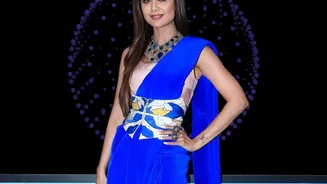
For years, Shilpa Shetty has been a leading advocate for yoga in India, transforming a personal practice into a national wellness movement. She began her journey to alleviate chronic neck pain and has since embraced yoga as a holistic lifestyle, focusing
on the harmony between mind, body, and soul. Her approach emphasizes that fitness is about feeling good and being calm, not just aesthetics. She regularly shares her routines, from foundational poses like Surya Namaskar to more demanding asanas, making the ancient practice accessible and inspiring for millions. Her philosophy is clear: yoga is a science that, with consistency, can lead to a more balanced and fulfilling life.
Decoding the Hidden Lotus Pose
The pose Shilpa recently demonstrated is Gupta Padmasana, or the Hidden Lotus Pose. It's an advanced variation of Padmasana (Lotus Pose). The practitioner first sits in the full Lotus Pose, then carefully comes onto their knees and lowers their entire torso to the floor, resting on their chin. The arms are then typically brought behind the back into a reverse prayer position. The name 'Hidden Lotus' comes from the way the legs in the lotus position are concealed beneath the body. This complex asana demands significant flexibility in the hips, knees, and ankles, as well as core control and shoulder mobility.
Benefits of the Hidden Lotus
According to Shilpa and yoga experts, Gupta Padmasana offers numerous benefits. It provides a deep stretch that helps mobilise the hips, pelvis, knees, and ankles. The binding action of the arms engages the shoulders and wrists, opening up the chest and helping to counteract a rounded upper back, which can improve overall posture. Beyond the physical, the pose encourages body awareness and requires deep concentration, which can help calm the mind and reduce stress. By stimulating various organs, it is also said to aid digestion and enhance the function of the thyroid gland.
Another Challenge: The Peacock Pose
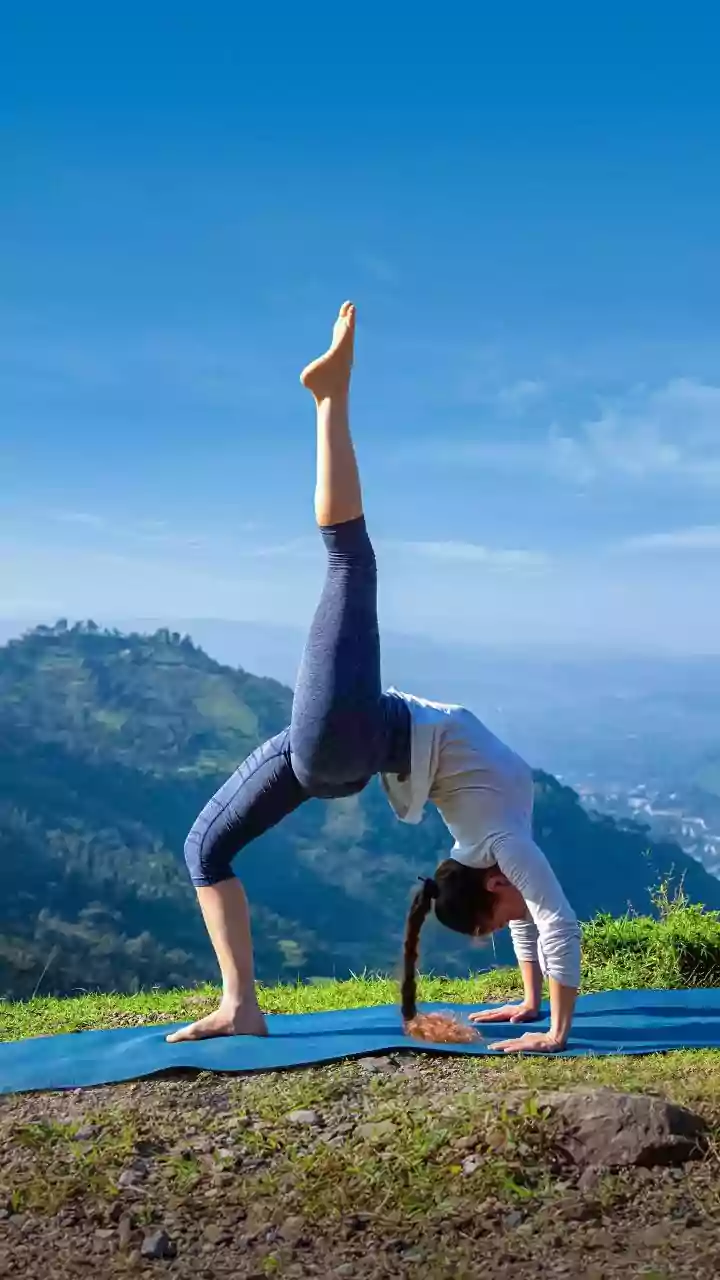
The Hidden Lotus is not the only difficult pose in Shilpa's repertoire. She has also mastered Mayurasana, or the Peacock Pose, an advanced arm-balancing posture she once called the most difficult for her to learn. In this asana, the entire body is held parallel to the floor, balanced only on the hands, with the elbows pressing into the abdomen. This pose is renowned for building incredible strength in the arms and wrists, improving digestion by massaging the abdominal organs, and enhancing focus and concentration. For Shilpa, mastering the ability to balance her entire body weight on her palms was also a significant boost to her self-confidence.
A Crucial Word of Caution
While inspiring, these advanced poses are not for everyone. Yoga experts and Shilpa herself strongly advise against attempting them without proper preparation and guidance. Poses like Gupta Padmasana and Mayurasana carry a risk of injury, especially to the knees, hips, shoulders, and wrists, if performed with poor alignment or without the necessary foundational strength and flexibility. These asanas should be avoided completely by individuals with existing injuries in these joints or the cervical spine. The goal of yoga is progress, not perfection, and pushing your body beyond its limits can lead to strains, sprains, or long-term damage.
Your Path to Advanced Practice
If you are inspired to deepen your yoga practice, the key is patience and consistency. True advanced yoga is not just about accomplishing flashy poses but about the connection between mind and body. Begin by building a strong foundation with basic asanas that improve flexibility and strength, such as Downward Dog, Warrior poses, and seated forward bends. It is essential to master the foundational Lotus Pose (Padmasana) before even considering its more complex variations. Most importantly, practice under the guidance of a qualified yoga instructor who can ensure proper alignment, offer modifications, and help you understand your body's unique limits. Always listen to your body; if you feel pain, it's a signal to stop and rest.