



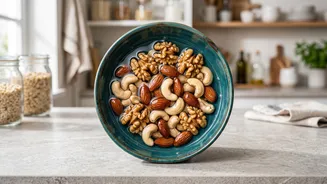

That morning handful of nuts is a healthy habit, but a simple extra step can make it even better. Soaking them overnight doesn't just soften them; it unlocks a wealth of nutrients that your body might otherwise struggle to absorb.
The Hidden Barrier in Raw Nuts
Nuts are nutritional
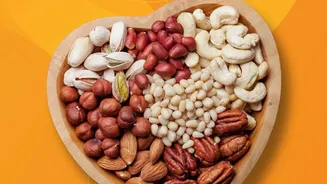
powerhouses, packed with healthy fats, vitamins, and minerals like zinc, iron, and calcium. However, they also come with a natural defense mechanism in the form of 'antinutrients'. The most significant of these is phytic acid, a compound that plants use to store phosphorus. While essential for the seed's survival, phytic acid binds to minerals in our digestive tract, forming insoluble complexes. This process can significantly reduce our ability to absorb these vital minerals during a meal. Think of phytic acid as a tiny guard that locks away some of the nut's best nutritional treasures. Additionally, nuts contain enzyme inhibitors, which can put a strain on our digestive system, and tannins, especially in the skins of almonds and walnuts, which can further hinder iron absorption.
How Soaking Unlocks the Goodness
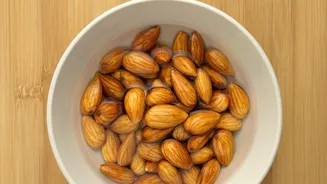
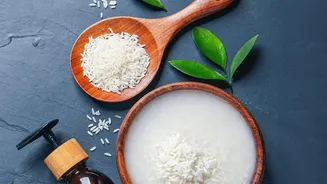
The simple act of soaking nuts in water mimics the natural process of germination, signaling to the seed that it's time to grow. This process systematically neutralizes the antinutrients. Soaking helps break down a large portion of the phytic acid, effectively 'unlocking' the minerals it was holding onto. With the phytic acid reduced, minerals like iron, zinc, magnesium, and calcium become more bioavailable, meaning your body can absorb and utilize them more efficiently. The soaking water, which should always be discarded, often turns brown. This is partly due to the tannins being leached out, which is particularly beneficial for improving iron uptake. Soaking also activates beneficial enzymes within the nut that aid in digestion and further increase nutrient availability.
Beyond Minerals: Better Digestion and Texture
The benefits of soaking aren't limited to mineral absorption. Many people find soaked nuts are much gentler on the stomach. The process breaks down complex compounds and neutralizes enzyme inhibitors, making the nuts easier to digest. This can reduce feelings of bloating or heaviness that some people experience after eating raw nuts. Soaking also dramatically changes the texture. Nuts become softer, creamier, and less bitter, as tannins that contribute to bitterness are washed away. This makes for a more pleasant eating experience, whether you're snacking on them whole, blending them into a smoothie, or making homemade nut milk.
A Practical Guide to Soaking Nuts
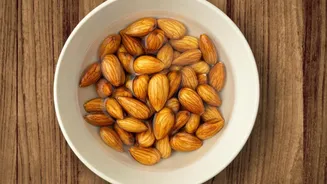
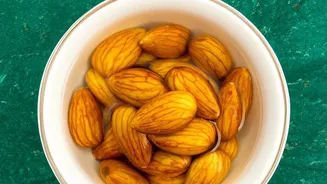
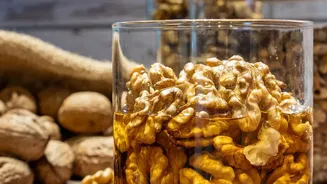
Getting started with soaking is simple. All you need are raw, unsalted nuts, a bowl, and some water. Soaking roasted nuts won't provide the same benefits, as the heat has already altered their composition. 1. Rinse Your Nuts: Start by giving your raw nuts a good rinse under cold water to remove any surface dust or residue. 2. Cover with Water: Place the nuts in a glass bowl and cover them completely with water. Using warm water and a pinch of salt can help accelerate the process of breaking down enzyme inhibitors. 3. Soak Accordingly: The ideal soaking time varies by the type of nut. Harder nuts require more time, while softer, oilier nuts need less. Here's a general guide: Almonds: 8–12 hours Walnuts & Pecans: 6–8 hours * Cashews & Macadamias: 2–4 hours (soak for less time as they can become slimy) 4. Drain and Rinse Again: After soaking, discard the water. It contains the leached-out phytic acid and other inhibitors. Rinse the nuts thoroughly with fresh water before eating. You can eat the soaked nuts immediately or store them in the refrigerator for a few days.