




The Pollinator's Champion
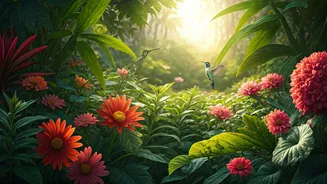
Many popular ornamental plants are like empty cafeterias for local wildlife. They may look beautiful, but they offer little to no nectar for the bees, butterflies, and birds that are essential for a healthy environment. Native plants, on the other hand,
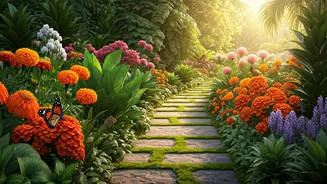
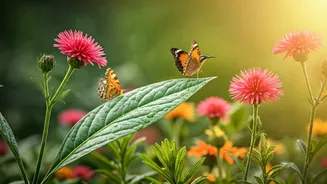
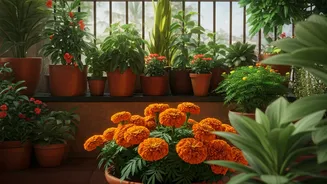
are the bustling local restaurants these creatures have co-evolved with for millennia. Take the humble Marigold (Genda), for example. Its bright blooms are a magnet for butterflies and beneficial insects. Similarly, the intoxicating fragrance of Indian Jasmine (Mogra/Chameli) isn't just for our enjoyment; it’s a beacon for moths and other nocturnal pollinators. Planting these heroes ensures a steady stream of visitors who will, in turn, help pollinate other plants in your garden and neighbourhood, boosting fruit and vegetable yields and supporting the entire food web.
The Water-Wise Survivor
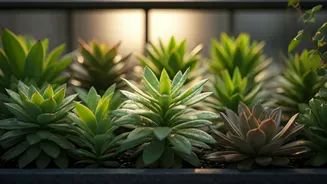
In a country where water is an increasingly precious resource, having a garden full of thirsty, non-native plants can be unsustainable. Native heroes are champions of water conservation. They are genetically programmed to thrive in our specific climate, including our intense heat and monsoon patterns. Plants like the Shankhpushpi (Asian Pigeonwings), with its stunning blue flowers, have deep root systems that are brilliant at finding underground moisture, requiring far less watering once established. Many indigenous succulents and grasses are similarly adapted to survive dry spells. By choosing these water-wise survivors, you not only save on your water bill and reduce your environmental footprint, but you also spend less time worrying about your plants wilting under the scorching summer sun. Your garden becomes more resilient and less demanding.
The Natural Protector
Tired of battling pests with chemical sprays? Your garden’s best defence might come from within. Many native plants have developed their own built-in pest control systems. The legendary Neem tree is the most famous example, with compounds that repel over 200 species of insects. While a full tree might not be feasible for every garden, planting Holy Basil (Tulsi) can have a similar, smaller-scale effect. Its strong aroma is known to deter mosquitoes and flies. Likewise, the Curry Leaf plant (Kadi Patta) not only provides an essential ingredient for our kitchens but also helps keep certain pests at bay. Introducing these natural protectors creates a balanced environment where pests are less likely to take over, reducing the need for artificial and often harmful interventions. It's a healthier solution for your plants, your family, and the soil.
The Cultural Touchstone
A garden filled with native plants is more than just an ecological statement; it’s a connection to our cultural heritage. These are the plants of our folklore, our festivals, and our traditional medicine. The Parijat (Night-flowering Jasmine) is steeped in mythology and its flowers are used in puja. The Lotus (Kamal) is a powerful symbol of purity and divinity across multiple faiths in India. Planting these species is a way of honouring and preserving a rich botanical and cultural legacy. They tell a story that a generic ornamental rose or a foreign lily cannot. They connect your personal green space to a much larger, shared history, making your garden a place of deeper meaning and resonance.