





The End of the Off-Season
What was once considered the tourism industry's quietest quarter is now a bustling travel period. Recent data shows a massive surge in monsoon travel, with hotel bookings in some regions jumping by over 50% year-on-year. Destinations like Goa, Wayanad,
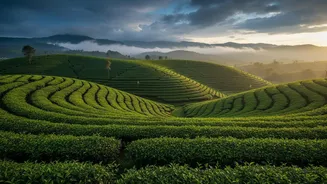
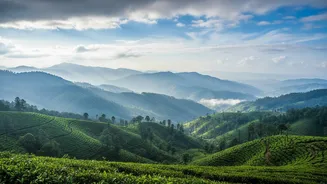
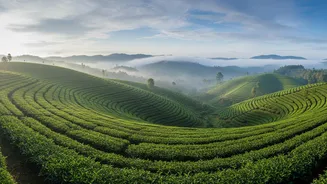
and Coorg are seeing dramatic growth as travellers chase the rain. This boom is driven by a desire for the unique beauty of a rain-soaked India—fewer crowds, vibrant green scenery, and often, lower prices. However, the very nature of the season brings uncertainty. Heavy rains can lead to blocked roads, especially in hill stations, or cancelled flights, making travellers hesitant to commit to non-refundable bookings.
How Flexibility Became the New Standard
In response to traveller demand for more certainty, the tourism industry has adapted. Flexible booking options, a trend accelerated in the post-pandemic world, are now central to travel planning. Policies like 'free cancellation' and 'book now, pay at hotel' have become key features on travel portals and hotel websites. These options remove the financial risk from planning a monsoon trip. You can lock in a desirable rate for a hotel or a flight well in advance, safe in the knowledge that you can change your plans without a significant penalty if a weather warning is issued or your schedule changes. This empowers travellers to plan with confidence rather than gambling on last-minute deals.
Decoding the Fine Print
The word 'flexible' can mean different things, so reading the terms and conditions is crucial. 'Free cancellation' usually comes with a deadline—you may need to cancel more than 24, 48, or 72 hours before check-in to avoid a penalty. Last-minute cancellations might still incur a charge. Similarly, for flights, a 'flexi' fare might allow you to change your dates for a reduced fee rather than for free. It's also important to understand how refunds are processed. While regulations mandate timelines, booking directly with an airline or hotel often results in a faster refund compared to going through a third-party site. Some travellers also opt for travel insurance that specifically covers weather-related disruptions for added peace of mind.
Smart Strategies for Your Monsoon Booking
To make the most of flexible policies, start by using the search filters on booking websites. Actively look for 'Free Cancellation' or 'Flexible Rates' when comparing hotels and flights. It is wise to have a backup plan. If your primary destination is a hill station prone to landslides, have a second, more accessible option in mind. Given the rising demand, booking four to eight weeks in advance is now recommended for popular monsoon spots to secure both availability and reasonable prices. Always check weather forecasts and local travel advisories before you depart. Keeping your itinerary slightly fluid allows you to adapt to the unpredictable charm of the season, swapping an outdoor trek for a cozy cafe if the skies open up.
Where to Go This Monsoon
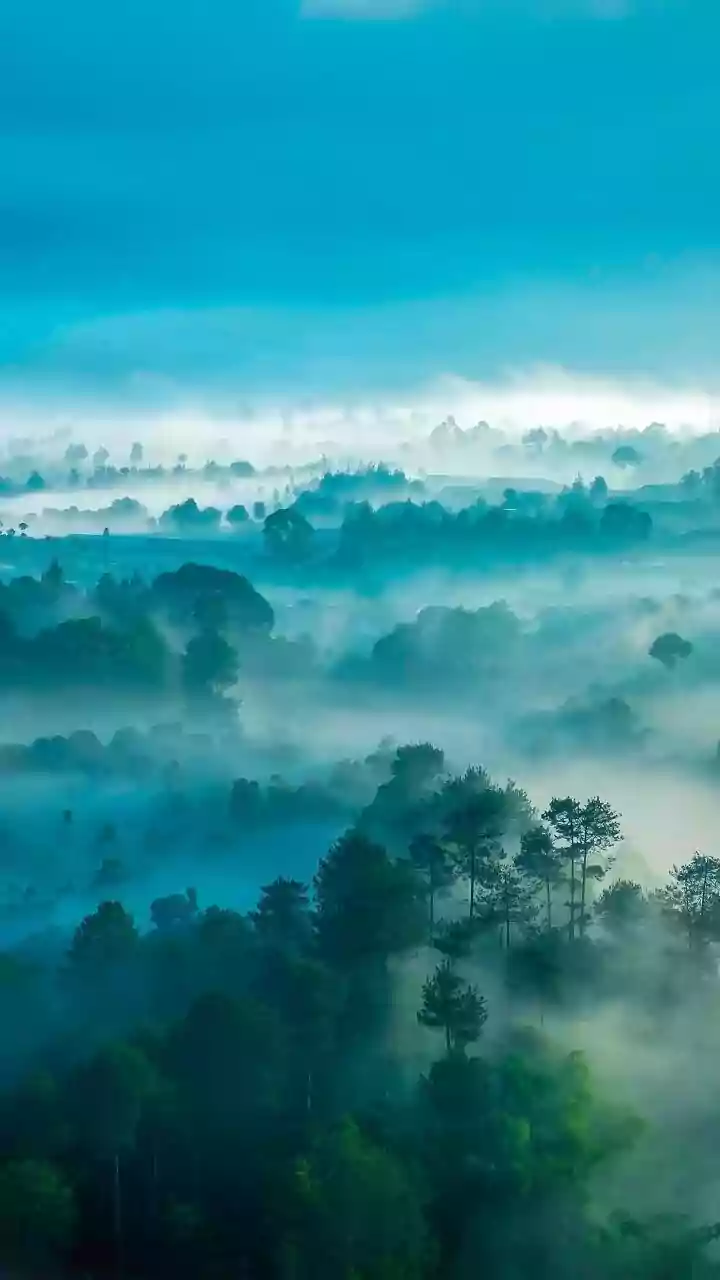
The options for a monsoon trip are plentiful. The Western Ghats come alive, with hill stations like Lonavala, Mahabaleshwar, and Coorg offering misty vistas and overflowing waterfalls. In the south, Kerala’s backwaters in Alleppey and the green hills of Wayanad are exceptionally beautiful during the rains. Even heritage destinations like Udaipur and Jaipur take on a romantic, reflective sheen. For the more adventurous, the Northeast, particularly states like Nagaland and Arunachal Pradesh, is emerging as a popular region, showing huge growth in monsoon bookings. These areas offer lush, offbeat experiences away from the main tourist trails.