


The Great Misunderstanding
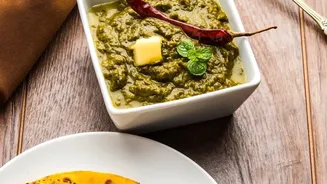
For many, the term 'Indian food' conjures images of heavy, creamy, ghee-laden curries served in restaurants. This perception, largely shaped by rich, occasion-based dishes rather than everyday home cooking, has unfairly branded the entire cuisine as unhealthy.
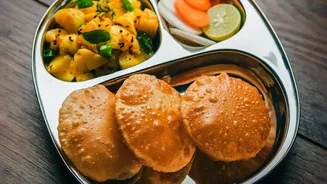
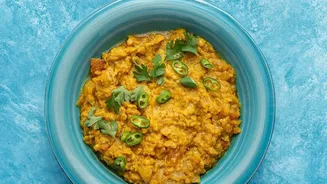
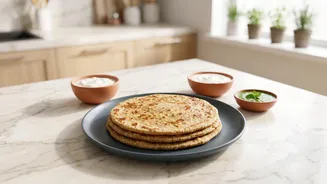
The reality of a typical Indian household meal — comprising dal, sabzi, roti, and rice — was often overshadowed by its more decadent restaurant counterpart. This narrative was further amplified by a global wellness industry that prioritized Western dietary models and expensive, imported 'superfoods'. As a result, familiar staples like rice, ghee, and even certain local grains were pushed to the sidelines, viewed with suspicion in the quest for a 'healthy' lifestyle.
The Scientific Comeback of Traditional Grains
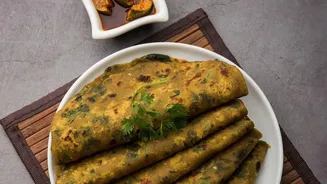
A significant part of this nutritional renaissance is the revival of ancient Indian grains, particularly millets like ragi, jowar, and bajra. Once dismissed as 'coarse grains' after the Green Revolution prioritized high-yield wheat and rice, these hardy cereals are now celebrated for their superior nutritional profiles. Experts highlight their high fiber content, low glycemic index, and wealth of minerals like iron, calcium, and magnesium. This makes them excellent for managing blood sugar levels, improving digestion, and providing sustained energy. The United Nations declaring 2023 the International Year of Millets further boosted this momentum, bringing what was once considered 'poor man's food' back into the mainstream as a smart, sustainable choice for modern diets.
Reclaiming Our Everyday Superfoods
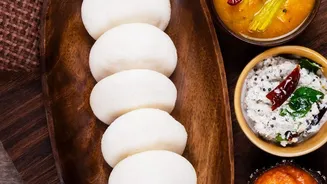
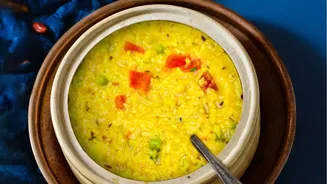
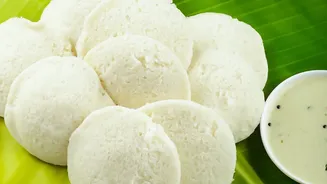
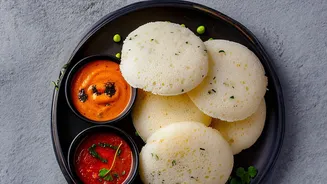
Beyond millets, experts are urging a fresh look at the foundational elements of the Indian thali. The simple combination of dal and rice, for instance, provides a complete protein profile. Lentils are powerhouses of protein, fiber, and iron, promoting satiety and stable energy. Ghee, long demonized as a fattening indulgence, is now being recognized for its benefits when used mindfully. It contains healthy fatty acids, aids in the absorption of fat-soluble vitamins, and can even help lower the glycemic index of meals. Fermented foods like dahi (curd), idli, and dosa are also back in the spotlight for their probiotic qualities, which are essential for maintaining a healthy gut microbiome, improving digestion, and strengthening immunity.
It’s All About Balance and Preparation
The key takeaway from this conversation is that the healthiness of Indian food depends less on the ingredients themselves and more on preparation and portion control. Nutritionists advise embracing traditional cooking methods like steaming, grilling (as in tandoori cooking), and light sautéing over deep-frying. A balanced plate should ideally consist of a generous portion of vegetables, a protein source like dal or paneer, a serving of whole grains, and a dollop of healthy fat. The intelligent use of spices like turmeric, ginger, cumin, and coriander not only adds flavour but also offers anti-inflammatory and digestive benefits, reducing the need for excess oil and salt. It's not about eliminating familiar foods, but about preparing and combining them thoughtfully.