





Ghevar: The Royal Monsoon Ritual
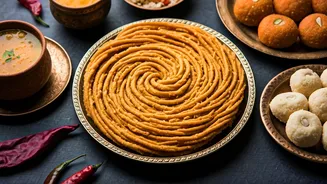
You might think of this Rajasthani delight as a festive sweet, and you'd be right. But its connection to the monsoon is more than just tradition—it's technical. [8] Ghevar, a disc-shaped, honeycomb-like dessert, is traditionally prepared during the rainy
season because the humidity in the air is essential for achieving its signature light, crispy, and porous texture. [8, 9] Frying the delicate batter in hot ghee is an art form that works best when there's moisture in the atmosphere; in dry weather, it can become dense. [8] Soaked in sugar syrup and often topped with malai or rabri, Ghevar is not just a dessert but a seasonal ritual, intrinsically linked to monsoon festivals like Teej and Raksha Bandhan. [6, 8] Ayurvedic tradition also suggests that sweets made with ghee can be calming during the monsoon, a time associated with digestive imbalance. [9, 17]
Malpua with Rabri: The Comforting Pancake
Often described as an Indian-style pancake, malpua is a classic comfort food that feels like a warm hug on a rainy day. [20] These small, fluffy cakes are made from a batter of flour, semolina, and milk or yogurt, then deep-fried until the edges are crisp and the centre is soft. [3, 20] After a dip in fragrant sugar syrup, they are ready to be served hot. While delicious on their own, pairing them with a dollop of creamy, chilled rabri (thickened sweet milk) creates a delightful contrast of temperatures and textures that is hard to beat. [21, 27] Though enjoyed in many parts of India, this combination is a particularly cherished treat in the North when the weather calls for something indulgent. [27]
Bhutta in a Sweet New Form
The quintessential monsoon snack is undoubtedly bhutta, or roasted corn on the cob, enjoyed by the roadside. [18] But what about corn as a dessert? The surprise here isn't the ingredient, but its application. Move beyond the usual savoury preparations and consider a sweet corn curry or even a Bhutta Bhel, where the natural sweetness of corn is the star. [4] Some modern recipes even incorporate corn into desserts like kheer or puddings, offering a unique texture and a mildly sweet flavour. Another idea is a sweet corn chaat, which can be adapted with a hint of jaggery or sweet chutney to lean more towards a dessert profile, providing that same comforting, rainy-day satisfaction with an unexpected twist. [4, 33]
Pithe: The Steamed Delight from the East
While fried foods dominate the monsoon cravings list, steamed desserts offer a lighter yet equally comforting alternative. Enter Pithe, a beloved category of rice cakes from West Bengal and Assam. [5] Made from rice flour, these can be steamed, fried, or pan-fried. The steamed versions are particularly perfect for a rainy evening; they are soft, chewy, and warm. [5] Often filled with a delicious mixture of grated coconut and jaggery, they provide a rich sweetness without being overly heavy. [5] Varieties like the steamed 'bhapa pithe' pair beautifully with a cup of tea, making for a wholesome and soul-warming treat that feels both traditional and surprisingly different.
Jalebi: The Ever-Present, All-Weather Champion
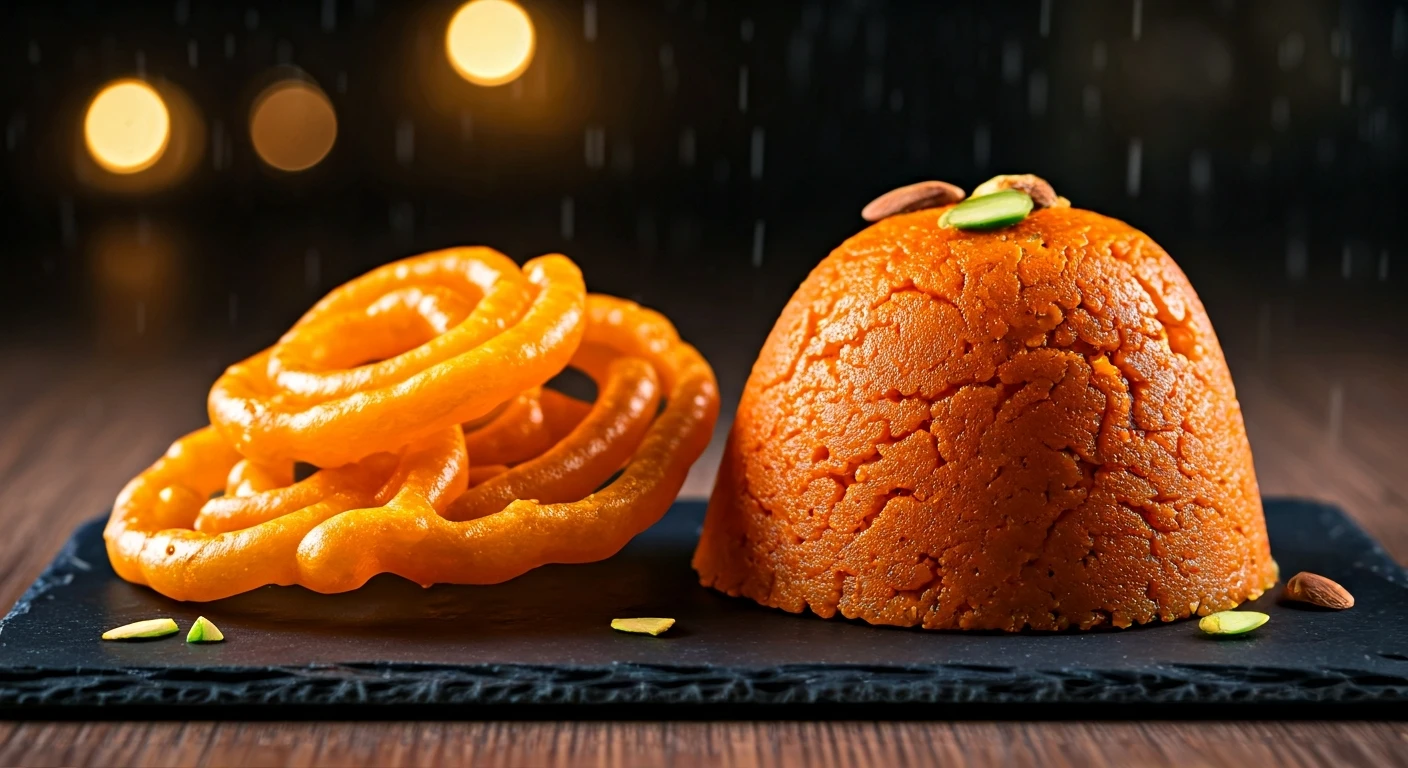
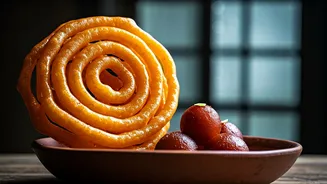
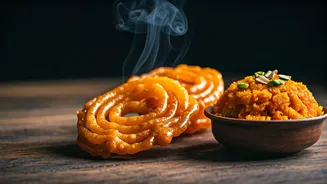
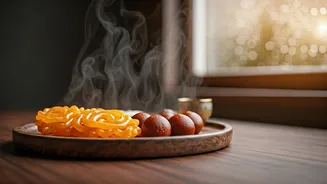
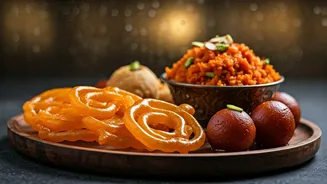
Okay, so jalebi isn't exactly a 'surprise'—it's one of India's most beloved sweets. The surprise lies in how perfectly it fits the monsoon mood, often overlooked in favour of savoury pakoras. [3, 12] There is something magical about eating hot, crispy, syrup-drenched jalebis while it's pouring outside. [12, 20] The combination of a crunchy exterior giving way to a soft, juicy spiral is immensely satisfying. [20] This popular sweet becomes even more special during the rains, often paired with a cup of hot masala chai or served with rabri for a truly decadent experience. [7, 20] It’s a reminder that sometimes the best surprises are the familiar favourites we see in a new light.