








More Than a Simple Count
Running from August 2025 to its conclusion this month in July 2026, the ‘Calorie’ exhibition at Science Gallery Bengaluru was never just about numbers on a food label. Instead, it used art, science, and interactive installations to unpack our complicated,
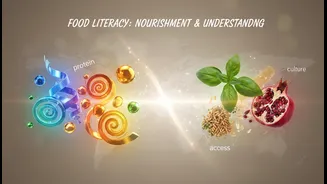
and often fraught, relationship with food. Rather than a dry, academic display, visitors were met with thought-provoking artworks. One piece, ‘Ragi.net’, featured ragi seedlings sprouting from a bed of discarded e-waste, a powerful commentary on how Bengaluru’s agricultural lands have transformed into a tech hub. Other exhibits explored everything from food politics and history to the future of nutrition with edible insects and displays of forgotten rice varieties. The exhibition’s goal was clear: to move beyond the simple metric of a calorie and explore the vast web of culture, science, and politics that defines what we eat.
The Rise of Calorie-Only Thinking
The exhibition’s theme feels particularly relevant today. The “calories in, calories out” model has dominated wellness conversations for generations, promoted as a simple mathematical formula for weight management. Download an app, log your food, and stay under a target number—the promise of control is alluring. This reductionist approach made nutrition seem manageable and predictable. It gave us a single, quantifiable villain to fight. If weight loss was a simple equation, then success or failure rested solely on an individual's willpower to solve it. This mindset, however, conveniently ignores the complex biological and psychological reality of how our bodies interact with food.
The Flaws in the Formula
As many nutrition experts now argue, a calorie is not just a calorie. Focusing solely on this number is fundamentally flawed for several reasons. Firstly, the numbers themselves are often inaccurate; food labels can have a significant margin of error, and estimating calories in a home-cooked meal is a guessing game at best. More importantly, this thinking ignores food quality. 300 calories from a leafy green salad with lean protein affects your hormones, hunger levels, and overall health very differently than 300 calories from a sugary donut. The latter can cause blood sugar spikes and leave you feeling hungry again soon, while the former provides sustained energy and vital nutrients. This relentless focus on numbers can also foster an unhealthy relationship with food, leading to anxiety, guilt, and even disordered eating habits for some.
Beyond the Numbers: Nutrient Density
So, if not calories, what should we focus on? The emerging consensus points towards nutrient density. This approach prioritizes the quality of food over its sheer energy content. A nutrient-dense food is one that packs a high amount of vitamins, minerals, protein, and fibre relative to its calories. Think fresh vegetables, fruits, lean proteins, and whole grains. Shifting the focus to nourishing your body with high-quality foods often leads to a natural reduction in calorie intake, simply because these foods are more satisfying and keep you fuller for longer. This approach encourages a more positive and sustainable relationship with eating, framing food as nourishment rather than a mathematical problem to be solved.
The Indian Plate Perspective
This conversation is especially critical in the Indian context. Recent analysis shows a concerning trend where diets are becoming increasingly heavy on carbohydrates and processed foods. The result is a population that can be simultaneously overfed in calories but undernourished in essential nutrients. Traditional meals, once balanced with dals, vegetables, and whole grains, are giving way to more refined and processed options. An exhibition like ‘Calorie’ in a bustling metropolis like Bengaluru serves as a crucial cultural touchstone, prompting us to look closer at our own plates and question whether our food is truly fuelling our well-being.