




The Surprising Memory Boost
A recent study has put the spotlight on peanuts, and the results are intriguing for anyone interested in healthy ageing. Research conducted at Maastricht University Medical Centre in the Netherlands found that daily consumption of peanuts could lead to
better delayed verbal memory. In the study, healthy older adults between the ages of 60 and 75 who ate about 60 grams of peanuts daily for 16 weeks showed a 5.8% improvement in verbal memory. This translates to being better at recalling words from a list after a delay, a common cognitive function that can decline with age. The change might seem modest, but it points towards a simple dietary habit that could support cognitive resilience.
More Blood Flow to the Brain
The researchers didn't just observe better memory; they also looked for physical changes in the brain to understand why this was happening. Using advanced imaging techniques, they discovered that the peanut-eating group experienced a 3.6% increase in overall cerebral blood flow. Cerebral blood flow is a crucial measure of brain health, as it represents the supply of oxygen and nutrients essential for brain cells to function correctly. The improved blood flow was particularly noted in the frontal and temporal lobes, regions of the brain that are critical for memory and other cognitive functions. This suggests that peanuts may help enhance the brain's vascular function, which is a key factor in maintaining cognitive sharpness as we age.
The Science Behind the Snack
So, what is it about peanuts that makes them so brain-friendly? The secret lies in their rich nutritional profile. Peanuts are packed with L-arginine, an amino acid that helps the body produce nitric oxide. Nitric oxide is known to relax blood vessels, which improves circulation throughout the body, including to the brain. Furthermore, the thin, papery skins on peanuts are a powerhouse of polyphenols, such as resveratrol. These compounds are antioxidants that may have neuroprotective effects, helping to shield brain cells from damage and improve how they communicate. A recent follow-up to the main study also found that peanut consumption improved the brain's insulin responsiveness in memory-related regions, another vital aspect of cognitive health.
Putting the Research into Practice
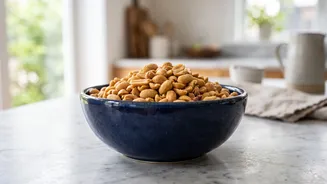
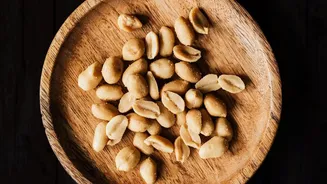
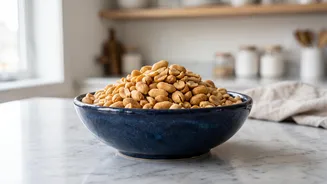
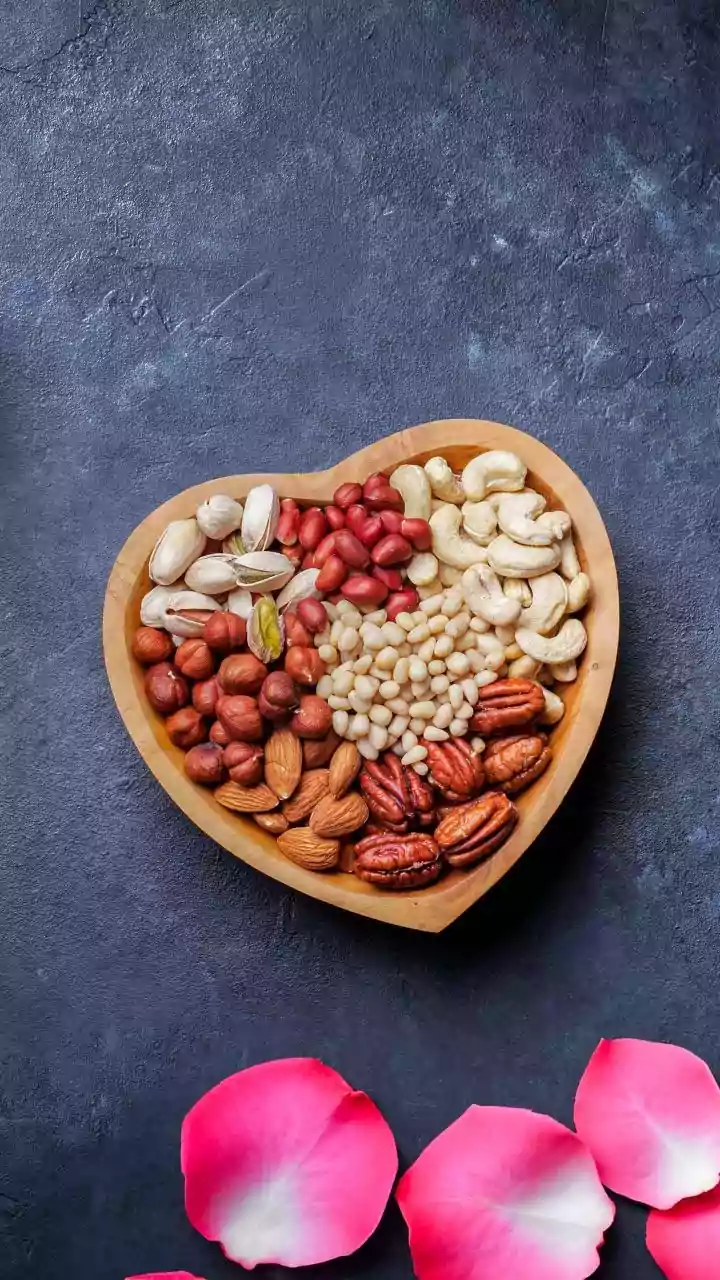
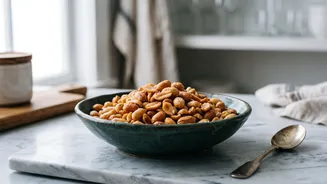
While these findings are exciting, it's important to understand the context. The study specifically used unsalted, skin-roasted peanuts. The benefits are closely linked to the nutrients found in the peanuts and their skins, not the added salt or sugar found in many commercial snacks. Incorporating a handful (around 60 grams, or two servings) of plain, skin-on peanuts into your daily diet is a practical way to follow the study's example. This could be a simple snack between meals or added to salads and other dishes for extra crunch and nutrition. It's a small change that aligns with a broader healthy eating pattern, similar to those found in the Mediterranean and MIND diets, which are also linked to better brain health.
A Balanced Perspective
It is crucial to approach these findings with a balanced view. The study, while well-designed, involved a relatively small number of participants (31 people) over a 16-week period. Researchers noted that while the results on verbal memory and blood flow are significant, they did not find improvements in other areas like executive function or processing speed. This research does not claim that peanuts are a magic cure for memory loss or a way to prevent diseases like Alzheimer's. Rather, it provides compelling evidence that regular peanut consumption can be a valuable part of a lifestyle that supports brain health. More research is needed to confirm these benefits in larger, more diverse populations over longer periods.