

A New Kind of Festive Platter
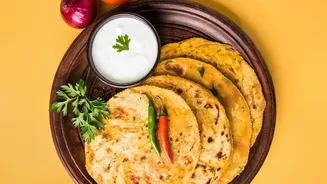
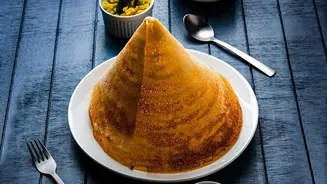
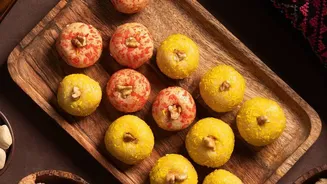
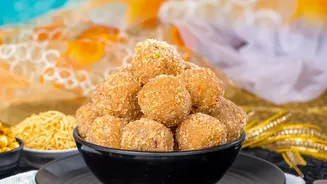
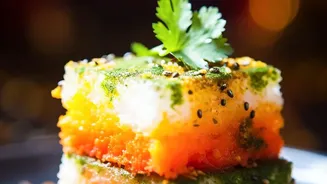
Across India, the line between ‘festive food’ and ‘everyday food’ is blurring. While classics like gulab jamun, biryani, and samosas remain central to celebrations, they are increasingly sharing space with comfort foods that were once considered non-traditional.
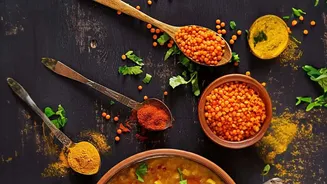
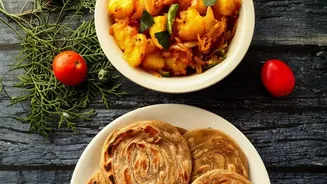
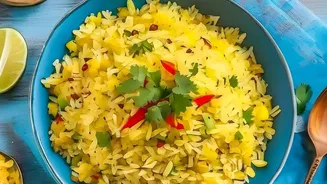
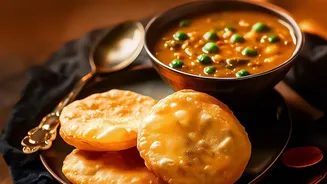
It's not uncommon to find a rich paneer butter masala alongside a simple dal, or a plate of pasta offered to guests after they’ve had their fill of chole bhature. This isn’t a rejection of tradition, but a redefinition of what a celebratory meal can be. The modern festive spread is becoming a more personal, eclectic mix that reflects the tastes of the entire family, particularly the younger generation.
The Search for Comfort and Convenience
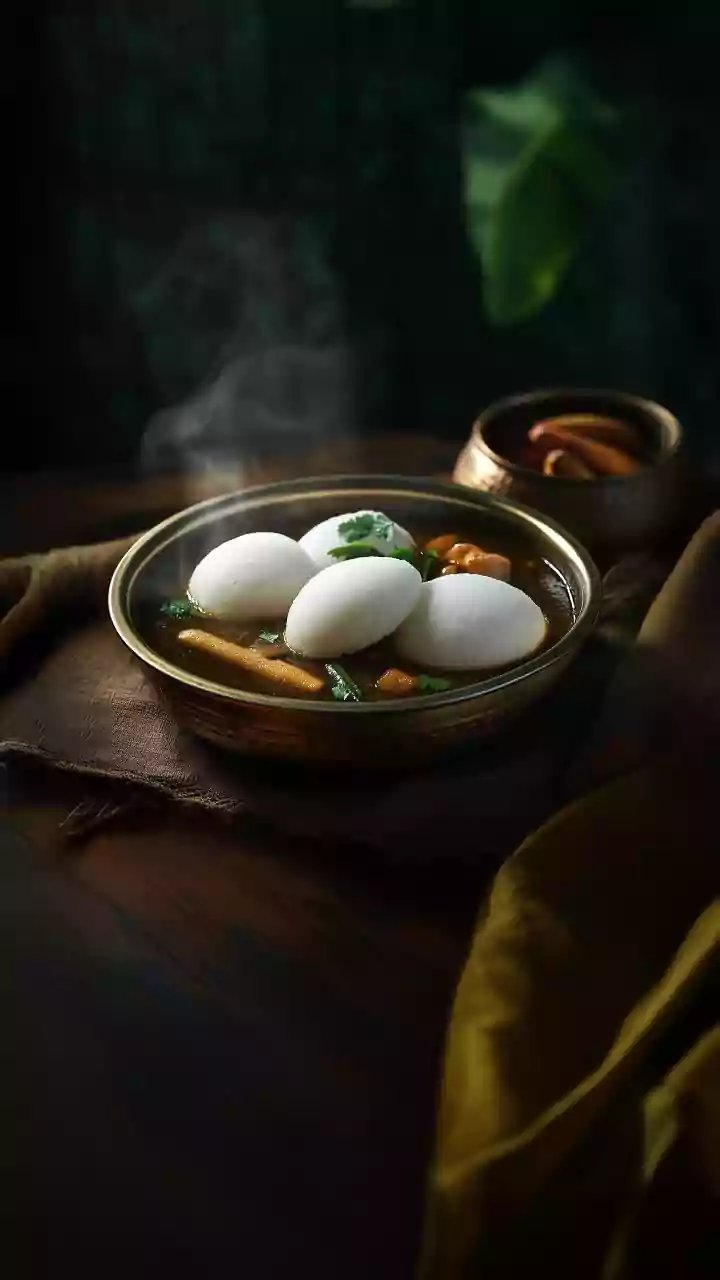
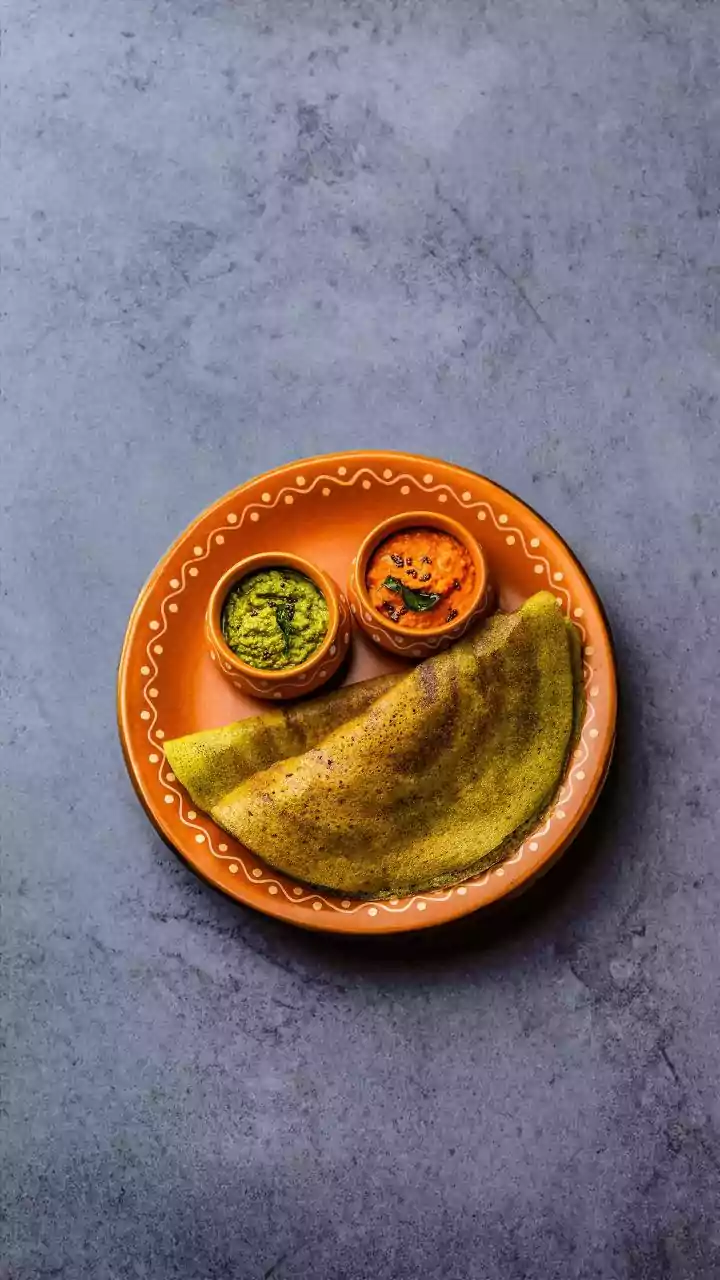
Several factors are driving this change. Urban lifestyles, nuclear families, and busy schedules mean that spending days preparing elaborate festive menus is not always practical. Ready-to-eat foods are gaining popularity, with exports of such products rising significantly. Many find that ordering a favourite pizza or preparing a simple, beloved dish brings a different kind of joy and comfort amidst the festive rush. It’s a pragmatic choice that prioritises ease and togetherness over the pressure of a perfectly traditional, labour-intensive meal. For many, the comfort of a familiar weekday meal provides a welcome balance to the richness of festive preparations.
A More 'Thoughtful' Approach to Health
The word ‘thoughtful’ in this context also points to a growing health consciousness. Festive foods are notoriously rich, often heavy on ghee, sugar, and oil. While indulgence is part of the celebration, many are now actively seeking a balance. Nutritionists note that people are adopting strategies like portion control and mindful eating. Swapping a few deep-fried snacks for baked or air-fried versions, or ensuring there are lighter, vegetable-based dishes on the table, is a common strategy. This blend allows families to enjoy the flavours of the festival without feeling overly burdened by excess, making the celebration more enjoyable and sustainable.
Tradition Isn't Disappearing, It's Evolving
This shift should not be seen as a loss of culture, but as its natural evolution. Food has always been a connector, a way to tell stories of migration, memory, and identity. By incorporating new dishes, families are creating new traditions. Today’s comfort food might become tomorrow’s festive staple. Chefs and food historians note that even classic recipes were once innovations. The key, as some chefs point out, is not to change the 'soul' of the dish but to adapt. This fusion of old and new reflects a confident, modern India—one that respects its heritage while embracing the tastes that bring it comfort and joy today.