





First, What Is a Pakora?
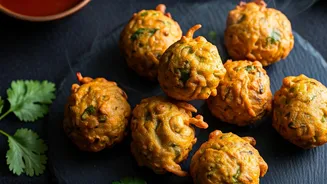
Before we get ahead of ourselves, let’s establish a baseline. A pakora is, at its heart, a fritter. Think of it as the South Asian cousin to Japanese tempura or an Italian fritto misto, but with its own distinct personality. The magic starts with a batter
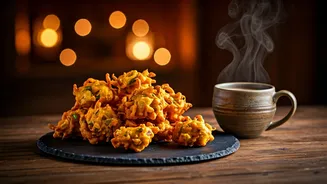
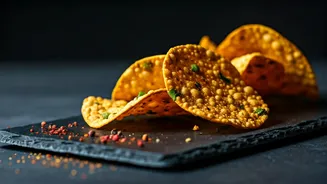
made from besan, or chickpea flour, which gives it a uniquely nutty flavor and a naturally gluten-free advantage. This batter is seasoned with a blend of spices—often including turmeric, chili powder, ajwain (carom seeds), and coriander. Then, vegetables like thinly sliced onions, spinach, potatoes, or cauliflower are dipped into the batter and deep-fried to golden-brown perfection. The result is a snack that’s impossibly crispy on the outside, tender on the inside, and bursting with flavor. Served hot with a side of mint-coriander chutney or tangy tamarind sauce, it's a textural and gustatory delight.
The Perfect Snack for a Changing America
So, why now? The pakora’s rise isn't happening in a vacuum. It perfectly aligns with several major shifts in American dining habits. First, we’re a nation of snackers. The formal, three-course meal is increasingly being replaced by grazing, shared plates, and casual bites. Pakoras, with their pop-in-your-mouth size and shareable nature, are tailor-made for this new era. Second, the American palate has graduated. We’re no longer just seeking heat; we’re chasing complex, layered flavors. The intricate spice blend in a pakora batter delivers that in spades. Finally, as chefs and diners alike look for creative plant-based options, vegetable-forward pakoras offer a satisfying and inherently vegan-friendly (when prepared traditionally) alternative to standard bar snacks. They check all the boxes: crunchy, savory, communal, and globally inspired.
From Street Food to Star Appetizer
For generations of South Asian Americans, pakoras have been a staple of rainy days, family gatherings, and street-side food stalls. They are comfort food, pure and simple. But now, they’re breaking out of that context and appearing in unexpected places. You’ll find them on the menus of modern Indian restaurants, where chefs are deconstructing and reimagining them with upscale ingredients like kale, zucchini, or paneer. More tellingly, they are showing up in non-Indian establishments—gastropubs serving onion pakoras as a clever alternative to onion rings, or trendy cocktail bars offering them as an exotic bar bite. This crossover is the true sign of a food trend hitting the mainstream. It’s a testament to the pakora’s universal appeal and its ability to adapt to new environments without losing its soul.
A Universe in a Fritter
To call something a “pakora” is like calling something a “sandwich”—it’s a category, not a single item. The variety is immense. Across India and Pakistan, you'll find countless regional variations. Onion pakoras (sometimes called ‘bhaji’ or ‘bhajia’) are arguably the most famous, creating a tangled, crispy nest of spiced onion. Potato pakoras offer a softer, more starchy bite, while spinach pakoras are light and leafy. There are also bread pakoras, where slices of bread are stuffed, battered, and fried, and paneer pakoras, featuring cubes of firm cheese that become warm and melty. This diversity means there’s a pakora for every preference, making it a endlessly explorable food. It’s not a one-note wonder, but a whole genre of snacking waiting to be discovered.