
A New Chapter in Lunar Exploration
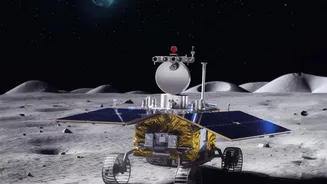
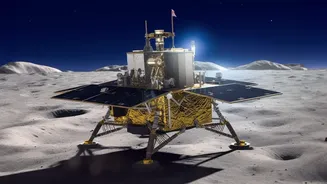
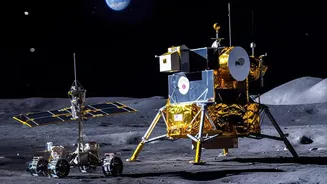
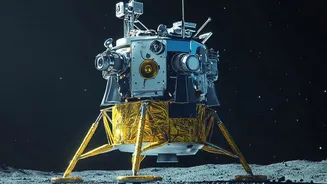
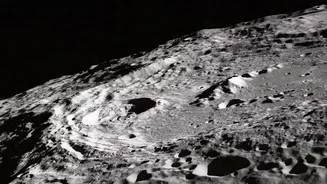
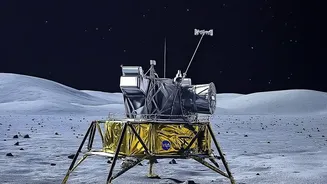
The world watched as India's Chandrayaan-3 successfully touched down near the Moon's south pole, making it the first nation to achieve this feat. The mission provided invaluable data about the lunar surface, its composition, and the uniform terrain of
the polar region. This success wasn't just a national triumph; it was a demonstration of advanced, cost-effective space exploration capabilities. On the other side of the globe, NASA is deep into its Artemis program, an ambitious initiative to return humans to the Moon and establish a sustainable presence. A key element of this vision is the Artemis Base Camp, a planned outpost near the lunar south pole designed to house astronauts for extended stays. With NASA officially inviting the Indian Space Research Organisation (ISRO) to join the Moon Base programme, the stage is set for a powerful collaboration.
The Artemis Accords: A Global Handshake
The foundation for this collaboration was laid when India became the 27th country to sign the Artemis Accords in June 2023. These accords are a non-binding set of principles designed to guide civil space exploration and ensure cooperation among nations. By signing, India signaled a strategic shift from its traditionally independent space program to one of collaborative global engagement. This move prevents technological isolation and ensures that India's hardware and protocols are compatible with international standards, paving the way for deeper partnerships. It aligns India's goals with the US-led effort to create a shared, peaceful, and transparent framework for operating on the Moon and beyond.
What India Brings to the Table
India isn't coming to the partnership empty-handed. ISRO's reputation for 'frugal engineering'—delivering complex missions like Chandrayaan at a fraction of the cost of its global peers—is a massive asset. Furthermore, its specific expertise in the lunar south pole is now unparalleled. Chandrayaan-3's landing and exploration in this very region, which is targeted for the Artemis Base Camp due to its potential water ice deposits and near-constant sunlight, makes India an invaluable partner. This practical experience in navigating and operating in the challenging polar environment is a crucial contribution. This expertise will be vital for future joint missions, including Chandrayaan-4, which aims to return lunar samples to Earth, and a planned joint mission with Japan to explore the south pole further.
NASA’s Vision for a Lunar Outpost
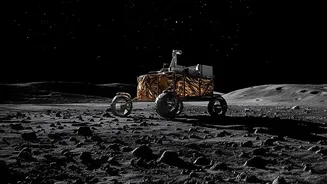
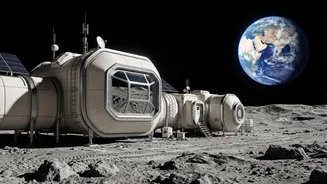
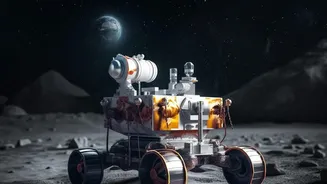
The Artemis Base Camp is envisioned as more than just a landing site; it's a true habitat. The concept includes a Foundation Surface Habitat for up to four astronauts, a lunar terrain vehicle (LTV) for short trips, and a pressurized mobile home for longer expeditions. The ultimate purpose of the base is to serve as a hub for science, technology demonstration, and resource utilization, such as mining water ice for drinking water and rocket fuel. This outpost is also seen as a critical stepping stone for even more ambitious goals, namely preparing for human missions to Mars. Building this base will require a monumental effort, and NASA is actively seeking international partners to contribute everything from hardware and rovers to scientific expertise.
The Partnership in Practice
So, what could a direct ISRO-NASA collaboration on a moon base look like? The possibilities are vast. India could contribute to developing robotic systems, landing technologies, or scientific instruments based on its Chandrayaan experiences. The joint NASA-ISRO Synthetic Aperture Radar (NISAR) mission, launched in 2025 to study Earth, has already set a precedent for successful high-tech collaboration. For future lunar missions, India could play a role in rover development, habitat components, or in-situ resource utilization technologies. This partnership also accelerates India's own ambitious goals, which include establishing its own space station by 2035 and landing an astronaut on the Moon by 2040. Training with NASA and participating in Artemis provides Indian astronauts and scientists with invaluable experience.