





Silence is Golden
The jungle has its own soundtrack: the alarm call of a deer, the rustle of leaves, the distant roar of a predator. Human noise disrupts this natural symphony and can be a major source of stress for wildlife. Animals are highly sensitive to sound, and loud
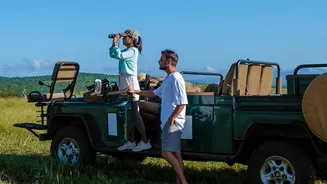
conversations, music, or even the shutter sound of a phone can cause them to flee or hide. Studies have shown that some animals are more scared of human voices than the growl of a lion. By keeping voices low and phones on silent, you not only respect the animals but also increase your own chances of a memorable sighting. Your guide is also listening for jungle cues that can lead to the next great spot. Maintaining silence allows everyone in the vehicle to tune into the environment and experience the forest more deeply.
The Perils of Aggressive Driving
The rush to get the perfect photograph or the closest view often leads to a frantic race between safari vehicles. This competitive driving is not only dangerous for passengers but also incredibly harmful to the ecosystem. Speeding kicks up excessive dust, which settles on vegetation, and off-roading is illegal in parks, damaging delicate habitats. More importantly, revving engines and speeding towards an animal can cause it immense stress, interrupting natural behaviours like hunting, resting, or caring for young. It’s crucial to communicate with your driver and guide, emphasizing that you prefer a slow, respectful approach. A good safari is not a chase; it's about patient observation. Remind your driver that there is no need to race other jeeps, as this often results in scaring the animal away for everyone.
Respect Personal Space
Getting too close is one of the most common mistakes visitors make. While the temptation to get a close-up shot is strong, crowding an animal is threatening and can provoke a defensive reaction. Park rules mandate maintaining a respectable distance, and it's a rule born from a need to protect both wildlife and tourists. Never ask your driver to get closer than they feel is safe or to box an animal in. Standing up, leaning out of the vehicle, or making sudden movements can change the vehicle's silhouette and startle animals like elephants, which may perceive it as a threat. Staying seated and keeping all limbs inside the vehicle is mandatory for safety.
Patience Over Pursuit
A safari is an exercise in patience. Wildlife sightings are never guaranteed, and the forest operates on its own schedule. Instead of being singularly focused on spotting a tiger, take the time to appreciate the entire ecosystem. There is a world of wonder in the smaller mammals, diverse birdlife, and unique flora. Good guides will point out tracks, signs, and sounds that tell the story of the jungle. Being an observant and patient guest often yields the most rewarding experiences. Rushing from one potential hotspot to another can lead to missed opportunities for spotting a well-camouflaged creature right beside the track. True wildlife lovers know that the wait is part of the adventure.
Dress for Success, Not to Impress
Your clothing choices matter. Bright colours like red, yellow, or white stand out in the natural environment and can alert animals to your presence from a distance. It’s best to wear neutral, earth-toned clothing such as khaki, brown, and olive green to help you blend in. This simple choice minimizes your visual disturbance. Additionally, avoid strong perfumes or deodorants, as the powerful sense of smell of many animals can be disturbed by unfamiliar scents. The goal is to be an unobtrusive observer, and dressing the part is a significant step in that direction.
Leave No Trace Behind
This is a fundamental rule of eco-tourism. It is strictly forbidden to litter in national parks, and that includes everything from plastic bottles and food wrappers to cigarette butts. All waste should be carried back with you and disposed of responsibly. Feeding animals is also strictly prohibited as it disrupts their natural diet, creates dependency on humans, and can lead to aggressive behaviour. Remember the old saying: take nothing but pictures, leave nothing but footprints—and in a safari, you don't even leave those, as getting out of the vehicle is forbidden except at designated spots.