






The Undisputed King: Phuchka
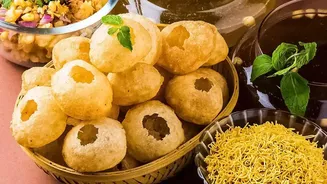
No food trail in Kolkata is complete without a stop for phuchka. These small, crispy spheres of fried dough are filled with a spicy mix of mashed potatoes and chickpeas, then plunged into tangy tamarind water before being served one by one. Unlike its
cousins, pani puri and golgappa, the Kolkata version is known for its sharper, spicier water. During Puja, you will find phuchka stalls outside almost every pandal, with crowds gathered for their turn. For a different texture, ask for 'churmur', which is a crushed, deconstructed version of the same ingredients.
The On-the-Go Meal: Kathi Roll
When you need something more substantial to power you through a long night of pandal-hopping, the kathi roll is the perfect answer. A flaky paratha is wrapped around a delicious filling, traditionally juicy kebabs, but now available with everything from chicken and mutton to egg and paneer. Garnished with sliced onions, green chillies, and a squeeze of lime, it is a hearty, satisfying meal you can eat while walking. Its origins are often traced back to Nizam's, but during Puja, countless stalls serve their own delicious versions.
The Rainy Day Classic: Telebhaja
Telebhaja, a catch-all term for various deep-fried snacks, is a quintessential part of the Bengali culinary experience. These assorted fritters are especially popular during the festive season. You can find everything from 'beguni' (batter-fried eggplant slices) and 'aloo'r chop' (spiced potato cutlet) to 'phuluri' (lentil fritters). These are best enjoyed piping hot, often served in a paper bag with a sprinkle of black salt. They are the perfect crunchy accompaniment to evening 'adda' (conversations) with friends between pandal visits.
The Hearty Parcel: Mughlai Paratha
For a truly decadent street-side meal, look no further than Mughlai paratha. This isn't just a flatbread; it's a rich, deep-fried parcel filled with minced meat (keema), egg, onions, and spices. The paratha is fried until golden and crispy, then often cut into squares and served with a simple potato curry and a side of salad. It’s a filling and flavourful dish that provides a welcome break from walking, best enjoyed at one of the city's heritage 'cabins' or from a bustling street stall near a popular pandal.
The Simple Staple: Ghugni
Ghugni is a warm and comforting curry made from dried yellow or white peas, slow-cooked with spices. Often garnished with finely chopped onions, coriander, green chillies, and sometimes a sprinkle of puffed rice or broken samosas, this humble dish is a local favourite. Served in small bowls, it is a flavourful and affordable snack that offers a different texture profile from the more common fried foods. It’s a wholesome option that is particularly popular in the evenings.
The Sweet Finale: Mishti and More
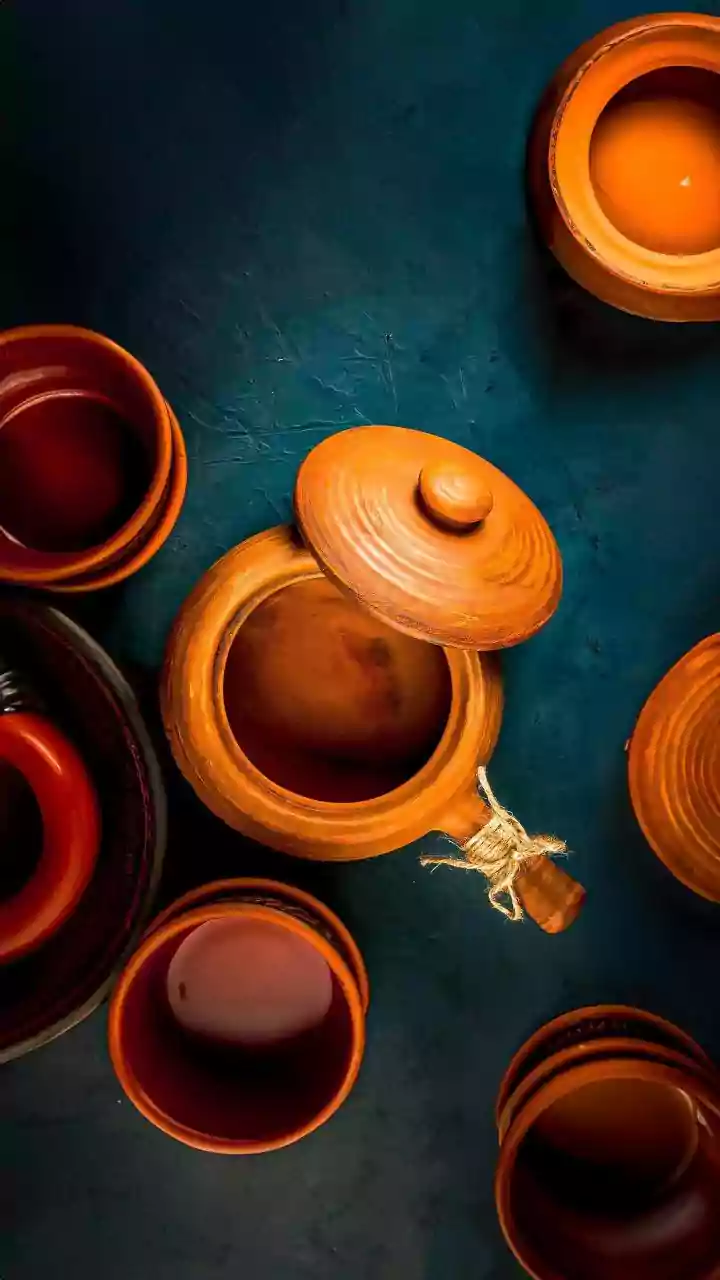
A Bengali festival is incomplete without sweets. While iconic sweet shops offer elaborate 'sandesh' and 'rosogolla', the street-food trail has its own sweet endings. Look for stalls selling hot, syrupy 'jalebi' or 'malpua' (sweet pancakes soaked in sugar syrup). Of course, no culinary journey is complete without 'mishti doi' (sweetened yoghurt), often served in traditional earthen pots ('bhaar') that lend it a unique flavour and help cool it down. It is the perfect, soothing end to a spicy and savoury food adventure.