
For decades, the fizz and sweet rush of a carbonated soft drink was the undisputed taste of refreshment. But a quiet rebellion is brewing in urban India, where a growing number of young people are swapping colas for something closer to home.
A Shift in the Urban Palate
Walk through
any urban centre in India, and you'll notice a subtle change in what the younger generation is drinking. While global soft drink giants still command a significant presence, they are increasingly competing with beverages that our grandparents would instantly recognise. The market for non-alcoholic beverages in India is booming, but the growth isn't just coming from colas. Instead, there's a visible turn towards traditional and 'functional' drinks—beverages that offer benefits beyond just quenching thirst. This shift is driven by Gen Z and millennials who are more intentional about their consumption choices, seeking drinks that align with their wellness goals and personal identity.
The Wellness and Health Awakening
The primary driver behind this trend is a massive surge in health consciousness. Young consumers are acutely aware of the pitfalls of high sugar content, artificial flavours, and empty calories that define many popular soft drinks. Replacing a daily soda with a low-calorie alternative like nimbu pani can cut over 1,000 calories a week. This awareness has created a thriving market for functional beverages, which is growing at a staggering 15-25% annually, far outpacing the overall beverage market. Consumers are actively seeking drinks that improve digestion, boost immunity, or aid hydration. Traditional Indian drinks, with their natural ingredients and inherent health properties, fit this need perfectly.
From Nostalgia to 'New-Age Cool'
This movement is about more than just avoiding sugar; it's a cultural reclamation. For many young Indians, these drinks represent a connection to their roots and an authentic alternative to homogenous global brands. Flavours like jaljeera, aam panna, and kokum sharbat evoke a sense of nostalgia and comfort. But this isn't just about looking backward. A wave of innovative Indian startups has brilliantly repackaged these age-old recipes for the modern consumer. Brands like Paper Boat, Lahori, and others are making traditional drinks convenient, stylish, and aspirational, positioning them as the 'new desi cool'. They've proven that a familiar flavour like jeera or nimbu can be just as exciting as a multinational cola, especially when it comes with a story.
Meet the Traditional Elixirs
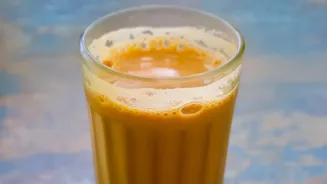
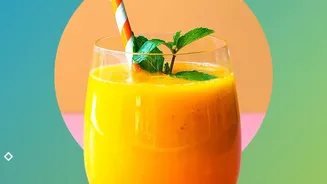
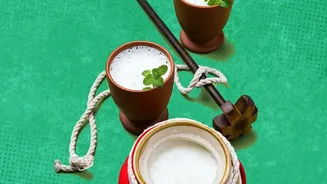
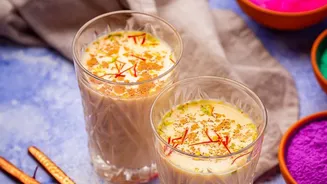
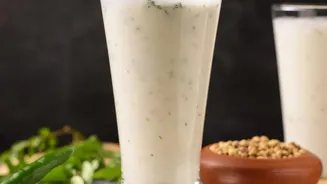
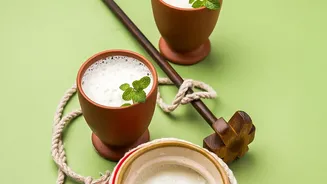
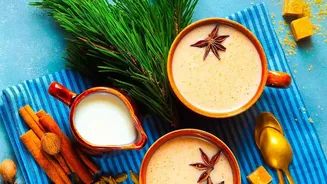
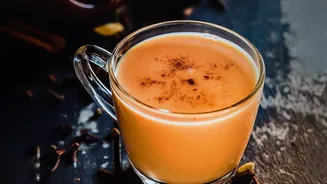
So, what are these drinks that are capturing the imagination of urban youth? The list is long and flavourful. Nimbu Pani, a simple mix of lemon juice, water, salt, and sometimes a hint of sugar or spice, is a timeless hydrator packed with Vitamin C. Jaljeera, with its tangy and spicy notes of cumin and other spices, is celebrated as a digestive aid. Buttermilk, or Chaas, is a probiotic powerhouse that cools the body. Other popular choices include the sweet and tangy Aam Panna made from raw mangoes, the deep red Kokum Sharbat known for its cooling properties, and the ever-popular Lassi. These drinks offer complex and refreshing flavour profiles that stand in sharp contrast to the one-note sweetness of many sodas.
The Social Media Seal of Approval
In the age of Instagram, aesthetics matter, and traditional drinks are proving to be surprisingly photogenic. The vibrant colours of a kokum sharbat, the fresh mint in a shikanji, or the earthy appeal of chaas in a traditional glass are all content gold. Food influencers and a growing cafe culture have played a significant role in popularising these beverages. When a drink not only tastes good and makes you feel good but also looks great on your social media feed, it creates a powerful trifecta of appeal for the Gen Z consumer. This digital validation has helped transform humble homemade drinks into trendy lifestyle statements.