

The Right Foundation: Choose Archival-Quality Containers
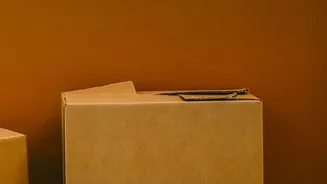
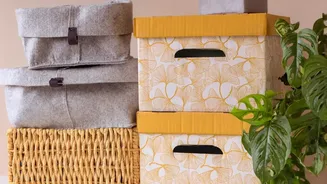
Before you can protect your archives from the environment, you need to ensure their immediate housing is safe. Standard cardboard boxes and plastic bins from a general store are not designed for long-term preservation. Cardboard often contains acid, which
can yellow and weaken paper over time, while some plastics emit harmful chemicals that damage photos. Instead, invest in materials specifically designed for archival storage. Look for boxes and folders that are labelled "acid-free" and "lignin-free." These materials are chemically stable and won't degrade your precious items. For photographs and negatives, use enclosures made of safe plastics like polyester, polyethylene, or polypropylene, or paper that has passed the Photographic Activity Test (PAT). The right container is your first and most crucial line of defense.
Defeating Moisture: The Silent Destroyer
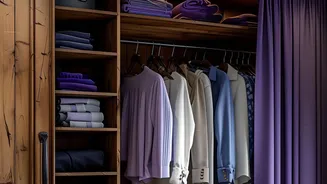
Humidity is one of the greatest threats to paper and photographic collections. Too much moisture in the air can lead to mould growth, attract pests, cause pages to swell and warp, and make photographic emulsions sticky. The ideal relative humidity for most paper-based items is between 30% and 50%. To achieve this, avoid storing your archives in areas prone to dampness and humidity swings, such as basements, attics, and garages. An interior closet or a room with stable, air-conditioned air is a much better choice. Ensure good air circulation around your storage boxes and never place them directly on the floor where they could be susceptible to leaks or floods. Elevating boxes on shelves provides crucial protection against potential water damage and crawling pests.
Managing Heat: The Aging Accelerator
Heat acts as a catalyst, speeding up the chemical decay that causes paper to become brittle and photos to fade. A stable, cool environment is key to slowing this deterioration. The general recommendation for archival storage is to keep the temperature consistently below 21°C. For particularly sensitive items like colour photographs and film negatives, colder is better, with experts recommending temperatures as low as 4°C or even freezing for long-term stability. In a typical home, this means keeping your archives away from heat sources like radiators, vents, and fireplaces. Attics, which can reach extreme temperatures in the summer, are one of the worst places for storage. Remember that consistency is as important as the temperature itself; wide fluctuations can cause materials to expand and contract, leading to physical damage like cracking and warping.
Warding Off Pests: The Unwanted Guests
To a variety of insects and rodents, your archives look like a delicious meal and a safe place to nest. Pests like silverfish, cockroaches, and booklice are drawn to the cellulose, starches, and glues found in paper, book bindings, and photos. Rodents will readily chew through cardboard to create nests. The best defence is a multi-pronged approach known as Integrated Pest Management (IPM), which focuses on prevention. Start by ensuring your storage containers are secure; hard plastic bins with tight-fitting lids create a strong physical barrier. Maintain a clean storage area, as dust and crumbs can attract pests. Never store food or drink near your archives. Regularly inspect the area and the containers for any signs of activity, such as droppings or chewed edges, to catch any potential problems early.