


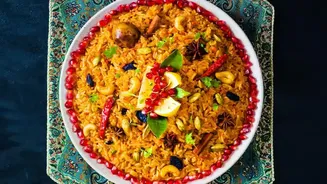
Why Basmati Is the Perfect Partner
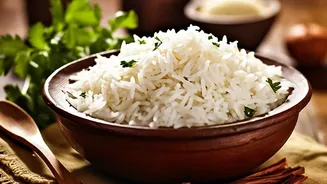
While many rice varieties exist, basmati is a classic choice for serving with dal. Grown in the foothills of the Himalayas, this long-grain rice is prized for its distinct nutty aroma and flavour. When cooked correctly, the grains elongate significantly
and remain separate, creating a light, fluffy texture that beautifully complements the consistency of dal. Good quality basmati rice is often aged for at least a year, which helps reduce its moisture content and ensures the grains don't turn mushy. When shopping, look for packages that specify 'basmati', have long, slender grains, and an off-white or golden hue, which can indicate proper aging.
The Foolproof Method for Fluffy Rice
The secret to perfectly cooked basmati lies in the absorption method, using a precise rice-to-water ratio. For every one cup of rice, use one and a half cups of water. First, rinse the rice under cold water 3-4 times, or until the water runs mostly clear. This crucial step removes excess surface starch and prevents the grains from sticking together. Next, soak the rice in a bowl of water for at least 20-30 minutes; this allows the grains to absorb water evenly and prevents them from breaking during cooking. After soaking, drain the rice completely. In a saucepan with a tight-fitting lid, bring your measured water to a boil with a pinch of salt and a spoonful of ghee or butter for added flavour. Add the drained rice, give it one gentle stir, then reduce the heat to its lowest setting. Cover the pot and let it cook for 12-15 minutes without lifting the lid. Once the time is up, remove the pan from the heat and let it rest, still covered, for 10 minutes. This allows the steam to finish cooking the grains perfectly. Finally, fluff the rice gently with a fork before serving.
Recipe: Classic Jeera Rice
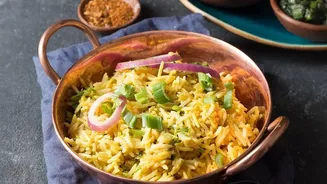
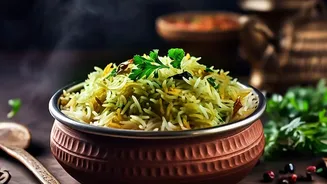
Jeera rice, or cumin rice, is a simple yet aromatic preparation that elevates any dal. Its warm, earthy flavour is a fantastic enhancement. To make it, start by washing and soaking one cup of basmati rice as described above. In a pot, heat a tablespoon of ghee or oil over medium heat. Add one teaspoon of cumin seeds and let them sizzle until they become fragrant. For more depth, you can also add whole spices like a bay leaf, a small stick of cinnamon, and a few cloves and green cardamoms. Sauté for a minute, then add the drained rice and stir gently to coat the grains. Pour in one and a half cups of water, add salt to taste, and bring to a boil. Once boiling, reduce the heat to low, cover, and cook for about 15 minutes until the water is absorbed. Let it rest for 10 minutes before fluffing and serving.
Recipe: South Indian Ghee Rice
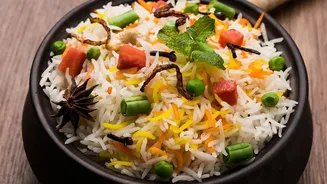
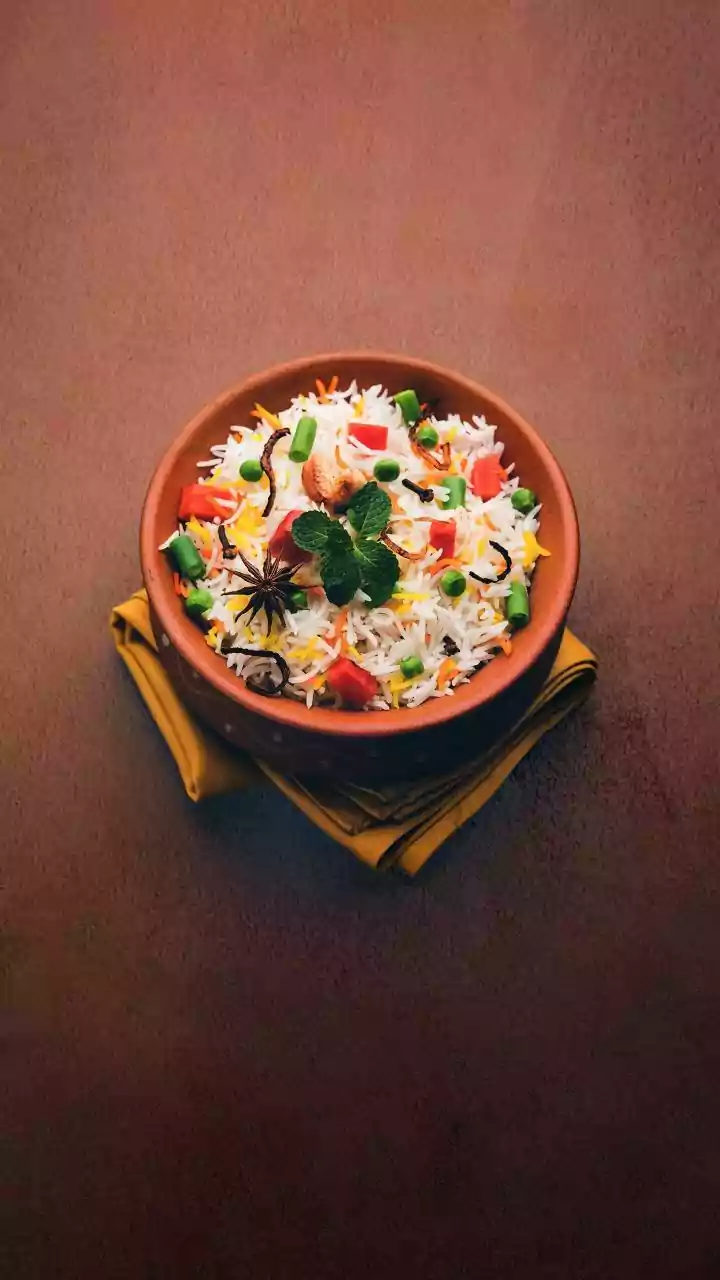
Ghee rice, also known as 'nei choru', is a rich and flavourful dish popular in South India. It pairs wonderfully with spicier dals. For one cup of washed and soaked basmati rice, heat two tablespoons of ghee in a pan. Fry a handful of cashews and raisins until golden, then remove them and set aside. In the same ghee, add whole spices like cinnamon, cloves, and cardamom. Sauté a sliced onion until it turns translucent. Some recipes also call for a teaspoon of ginger-garlic paste at this stage. Add the drained rice and toast it for a minute before adding one and a half cups of water and salt. Cook covered on low heat for 15-20 minutes. Once done, let it rest, then garnish with the fried cashews, raisins, and fresh coriander before serving.
Tips for Perfect Pairings
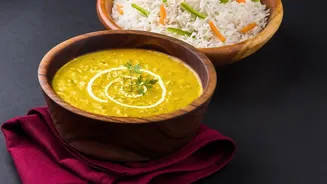
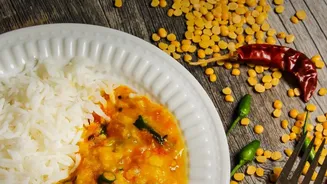
The beauty of dal and rice lies in its versatility. A general rule of thumb is to balance the flavours. If you are serving a rich, heavily spiced dal like dal makhani, a simple steamed basmati rice provides a perfect neutral base. Conversely, if you have a simple dal, like a yellow dal tadka, a more flavourful rice like jeera or ghee rice can elevate the meal. Don't be afraid to serve accompaniments like a fresh raita, pickle, or papad, which add texture and a tangy contrast. The key is to find the balance that you enjoy the most.