







Understand Their Fear
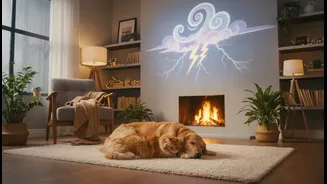
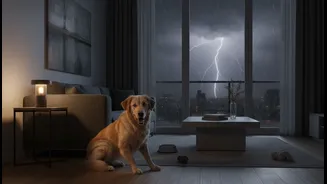
A pet's fear of thunderstorms, known as astraphobia, is more than just a dislike of loud noise. Dogs and cats have hearing that is far more sensitive than ours, making thunder unbearably loud. They can also sense changes in barometric pressure and feel
static electricity build-up in the air long before we notice a storm is brewing. This combination of sensory overload can trigger intense anxiety, causing them to pace, pant, hide, or become destructive. Understanding that their fear is a genuine physical and emotional response is the first step to helping them. Your calm and reassuring presence is crucial; never punish a pet for being afraid, as this will only increase their anxiety.
Create a Sound-Dampened Den
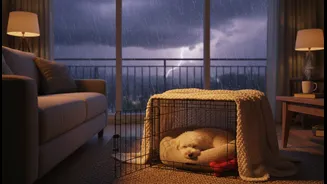
The single most effective strategy is to prepare a designated 'safe space'. This should be an interior room or closet with no windows, like a bathroom or a large wardrobe. If your pet is crate-trained, their crate is the perfect foundation for a soundproof den. You can't make a space completely soundproof without compromising ventilation, but you can significantly dampen the noise. Drape heavy moving blankets or quilts over the crate, leaving the door open and partially uncovered for airflow. Inside, line the walls with non-toxic acoustic foam panels or even old cardboard egg cartons. Place soft bedding on the floor to absorb vibrations. This creates a cosy, muffled sanctuary where your pet feels secure.
Soften Your Surfaces
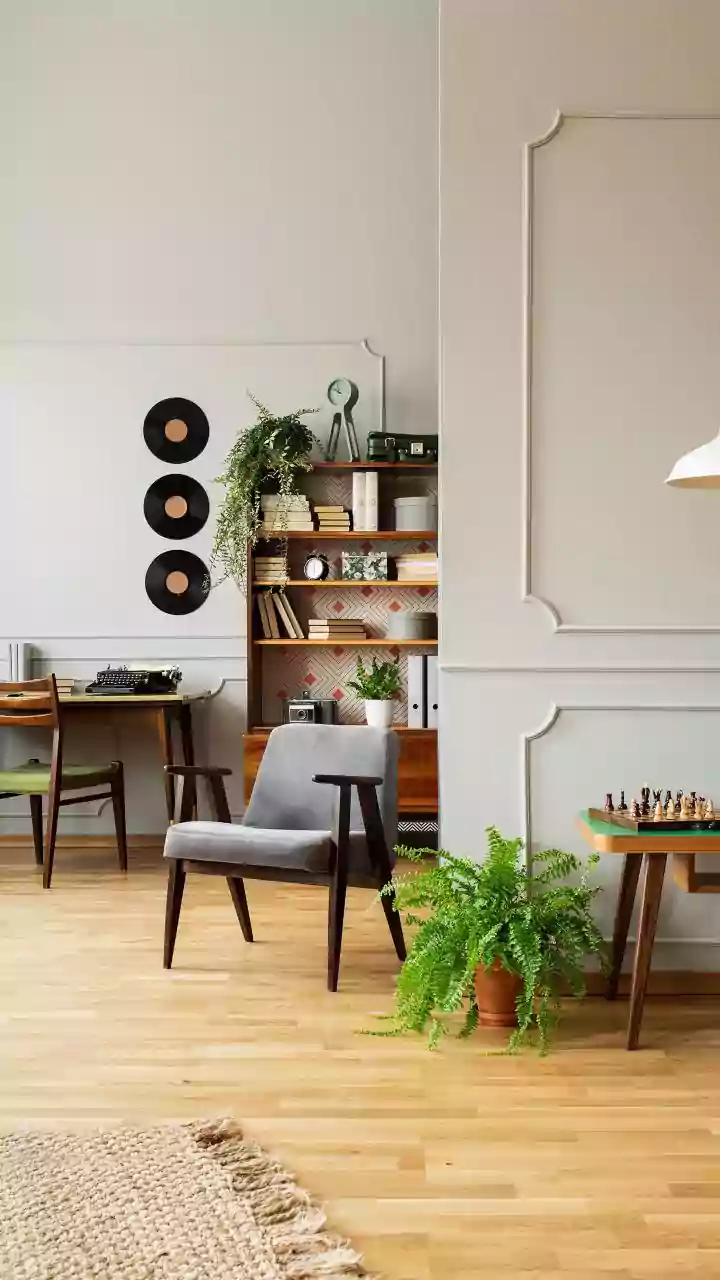
Hard surfaces like tile and hardwood floors amplify sound, creating echoes that increase stress. In an apartment, your goal is to add as many soft, sound-absorbing materials as possible. Lay down thick area rugs with dense rubber or felt underlays; covering 70-80% of the floor in main rooms can make a huge difference. Heavy, floor-to-ceiling blackout curtains made of velvet or triple-weave fabric can muffle noise coming through windows and glass doors. Even a large, book-filled bookshelf placed against a shared wall can act as a significant sound barrier. Throw blankets and upholstered furniture also help soak up ambient noise, making the entire apartment feel calmer.
Seal the Gaps
Sound travels like water—it will find any crack or opening. A surprising amount of noise enters an apartment through the gaps around doors and windows. An easy and affordable hack is to install weatherstripping or a simple door sweep at the bottom of your main door and any balcony doors. This simple addition helps block out hallway noise and muffles the distant rumbles that can put a pet on edge long before the storm arrives. Sealing these gaps not only helps with sound but can also improve your home's insulation.
Fight Noise with Noise
You can mask the sharp, unpredictable bangs of thunder with a consistent, soothing sound. A white noise machine is an excellent tool for this. Place it near your pet's safe space or between them and the windows. The constant, broad-spectrum sound helps to cover up the sudden peaks of thunder, making them less jarring. If you don't have a white noise machine, a fan, the television, or playing calming classical music can have a similar effect. The goal is not to drown the thunder out with volume, but to blend it into a less threatening background hum.
Explore Calming Aids
Beyond soundproofing, several tools can help manage your pet's anxiety directly. Compression garments, like the popular Thundershirt, apply gentle, constant pressure that has a calming effect on many animals, similar to swaddling an infant. Pheromone diffusers (like Adaptil for dogs) release synthetic calming hormones that can create a sense of security. For a more active approach, provide a high-value distraction when you hear the first rumbles. A puzzle feeder or a frozen Kong stuffed with their favourite treat can help create a positive association with storm sounds over time.