


The Hidden Dangers on Your Floors
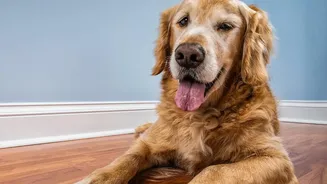
Pets interact with floors far more intimately than we do. They walk barefoot, lie on cleaned surfaces for hours, and groom themselves by licking their paws and fur. This creates three main pathways for exposure to chemical residues left behind by floor cleaners.
The most obvious is ingestion, which happens when they lick their paws or eat a crumb that has fallen on a treated surface. Fumes from volatile chemicals can also be inhaled, irritating their respiratory systems. Finally, direct skin contact with wet floors or dried residue can cause irritation, rashes, or even chemical burns. Symptoms of exposure can range from mild issues like sneezing or an upset stomach to severe conditions like respiratory distress, liver damage, or neurological problems.
Harmful Ingredients to Watch For
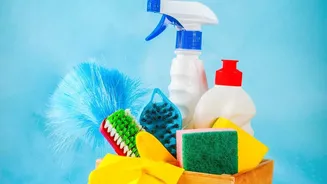
Reading the fine print on a cleaning label can feel overwhelming, but a few key ingredients are worth flagging. Ammonia, often found in glass and floor cleaners, can irritate the respiratory tract and eyes. Chlorine bleach (sodium hypochlorite) is another common disinfectant that can be highly corrosive, causing harm if ingested or inhaled. Phenols, which are common in products with a “disinfectant” or pine scent, are particularly toxic to cats and can lead to liver damage. Other chemicals to avoid include quaternary ammonium compounds (often listed as 'quats' or benzalkonium chloride), isopropyl alcohol, and phthalates, which are often hidden in synthetic fragrances.
Decoding 'Pet-Friendly' Labels
Seeing terms like “pet-safe” or “pet-friendly” on a bottle can be reassuring, but it's important to know that these phrases are often marketing language, not regulated safety standards. There is no official body that certifies a product as pet-safe. A truly safer product is more likely to provide full ingredient transparency on its label. Instead of relying on vague front-of-bottle claims, turn it over and check for the absence of harmful chemicals like ammonia, bleach, and phenols. Some products may carry a “Safer Choice” label, which indicates an evaluation has been done, but your best tool is always the ingredient list itself.
Safer Cleaning Habits for Pet Homes
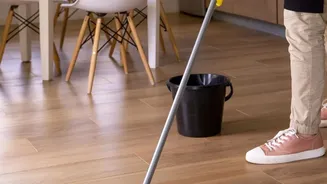
Beyond choosing a better product, simple changes to your cleaning routine can dramatically reduce risk. Always keep pets out of the room you are cleaning until the floor is completely dry. This simple step prevents them from walking through wet chemicals and then licking their paws. Ensure the area is well-ventilated by opening windows to help disperse any fumes. It's also a good practice to rinse the floor with plain water after using a cleaning solution, as this helps remove any lingering chemical residue. Finally, always store cleaning products, even seemingly harmless ones, in a secure cabinet that curious pets cannot access.
Simple DIY & Natural Alternatives
For many routine cleaning tasks, a simple homemade solution can be both effective and much safer for your pets. A mixture of equal parts white vinegar and water is a popular and effective cleaner for many floor types, though its acidity means it shouldn't be used on natural stone like marble. While vinegar has a strong smell, it dissipates as it dries. For tough spots, a paste made from baking soda and water can act as a gentle abrasive. While some natural cleaners use essential oils for scent, be cautious. Oils like tea tree, citrus, and peppermint can be toxic to pets, especially cats. If you want a scented cleaner, stick to known pet-safe options like lavender or chamomile, and ensure they are heavily diluted.