








The Real Problem with Your Desk Chair
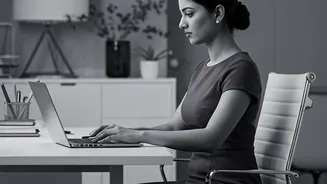
Sitting for prolonged periods has been called 'the new smoking' for its negative health impacts. While you work, your core muscles—the deep abdominal, back, and pelvic floor muscles that act as your body's central support system—can become inactive. This
deactivation leads to poor posture, that all-too-familiar lower back ache, and a decline in overall stability. The human body is designed for movement, not for remaining in a static position for hours on end. When we stay still, circulation slows, muscles tighten, and joints stiffen, setting the stage for discomfort and fatigue.
Understanding Core Stability
Core stability is more than just having a six-pack. It’s about the ability of your trunk to support and stabilize the body during movement and while stationary. Think of your core as the foundation of a building; if the foundation is weak, the entire structure is compromised. A stable core allows for better balance, improved posture, and a reduced risk of injury, especially in the back and hips. When your core is engaged and strong, it properly supports the spine, taking the strain off your lower back and improving your body's overall alignment.
The Power of 'Movement Snacking'
The key to counteracting a sedentary day isn't an intense hour-long workout, but rather frequent 'movement snacks'. These are short, one-to-five-minute bursts of activity done consistently throughout the day to break up long periods of sitting. Research shows that these mini-workouts can improve circulation, relieve muscle tension, and boost fitness levels. The goal is to make movement a sustainable part of your routine. By setting a timer for every 30 or 60 minutes, you can remind yourself to stand up, stretch, or perform a quick exercise.
Your Desk-Side Core Toolkit
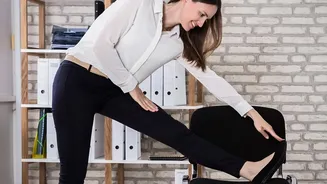
Integrating core-specific micro-movements into your day is simple and requires no equipment. Try these exercises hourly:1. Seated Crunches: Sit at the edge of your chair with your feet flat on the floor. Cross your arms over your chest. Keeping your back straight, lean back until you feel your abs engage, then slowly return to an upright position.2. Desk Planks: Stand a few feet from your desk and place your hands on the edge, shoulder-width apart. Walk your feet back until your body forms a straight line from head to heels. Hold for 20-30 seconds, keeping your core tight.3. Seated Torso Twists: Sit tall in your chair with your feet firmly on the ground. Gently twist your upper body to one side, using the chair's armrest for a light stretch. Hold for a few seconds, then repeat on the other side. This engages your obliques and mobilizes your spine.4. Seated Leg Lifts: While seated, keep your back straight and core engaged. Extend one leg straight out in front of you and hold for a few seconds before lowering it. Alternate between legs to activate your lower abdominal muscles and hip flexors.
Building a Lasting Habit
The greatest challenge is consistency. To make micro-movements a non-negotiable part of your day, link them to an existing habit. For instance, do a set of seated crunches after every long email you send. Take a moment to do a desk plank while you wait for your coffee to brew. Setting an hourly digital alarm or using a sticky note on your monitor can also serve as a powerful visual cue. The key is to make these movements as routine as checking your inbox. Remember, several small, targeted movements spread throughout the day are often more beneficial for desk workers than one isolated, intense workout session.