






The Psychology of Invisible Spending
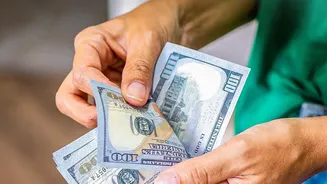
The problem isn't UPI itself, but the way our brains perceive digital money. When you hand over physical cash, your brain registers a tangible loss. This 'pain of paying' acts as a natural brake on spending. Digital transactions, however, are frictionless
and abstract. A quick scan or tap doesn't feel like real spending. Researchers have found that this psychological detachment can lead people to spend more, especially on small, impulsive buys. Studies involving Indian UPI users confirm this, with a significant number of people reporting that they spend more since adopting the system.
Death by a Thousand Scans
Consider a typical day: ₹30 for chai, ₹100 for an auto-rickshaw, ₹50 for a snack, and ₹300 for a quick-commerce grocery order. None of these transactions feel significant on their own. Yet, these small amounts, often dismissed as 'just ₹50', can accumulate into thousands of rupees over a month. One Reddit user reviewed their bank statement to find 52 small UPI transactions totalling nearly ₹20,000 in a single month, mostly on things that didn't feel expensive at the time. This is the micro-spending trap: the convenience encourages a higher frequency of purchases, and because each amount is small, the cumulative drain on your budget goes unnoticed until it's too late.
The Danger of Autopay Amnesia
UPI AutoPay for subscriptions and bills adds another layer of invisibility. While convenient, it can lead to 'subscription creep'—paying for services you no longer use or even remember signing up for. A forgotten gym membership, an unused streaming service, or an old app subscription can silently debit your account month after month. These recurring payments, combined with daily micro-spends, create a constant, low-level drain on your finances that sabotages savings goals. It's not one big expense that empties your account, but a series of small, forgotten ones.
Your Action Plan to Regain Control
Taking control doesn't mean giving up UPI. It means bringing awareness back into the process. Start with a weekly 'UPI audit'. Spend 10-15 minutes every Sunday reviewing your transaction history in your payment app. This simple habit makes your spending visible. Next, create micro-budgets for frequent spending categories like food, transport, and entertainment. Assigning a weekly limit to these 'wants' helps you track them consciously. Some users find it helpful to use different UPI apps for different purposes—one for essential bills and another for daily flexible spending—to maintain clarity. Finally, fight automated spending with automated saving. Set up a recurring transfer to a separate savings account that runs the day you get paid. By paying yourself first, you protect your savings goals from the thousand tiny cuts of micro-spending.