




First, Understand Your Light
Before you buy another plant, take a day to become a light detective in your own home. The amount and intensity of light an area receives is the single most important factor for a plant's health. What feels bright to our eyes might be near-darkness for a plant that
needs sun. The easiest way to check is the 'shadow test': at midday, hold your hand a foot above a surface where you want to place a plant. A sharp, well-defined shadow means bright light. A softer, fuzzy shadow indicates medium light. A very faint shadow, or none at all, means you have a low-light area. You can also note the direction your windows face. In India, south and west-facing windows receive the strongest light, while north and east-facing windows offer softer, more indirect light.
For Low-Light Corners and Dim Rooms
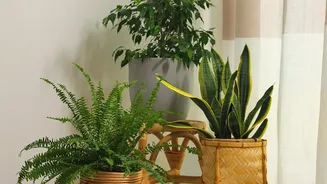
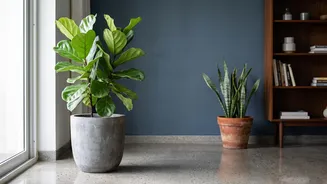
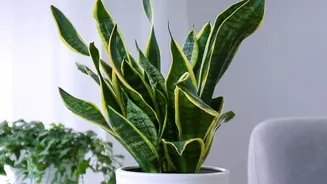
Many apartments have spots that are far from windows or face other buildings, resulting in low light. But this doesn't mean they must remain plant-free. Many species have adapted to thrive in shady conditions. The Snake Plant (Sansevieria trifasciata) is famously resilient, tolerating very little light and infrequent watering. Similarly, the ZZ Plant (Zamioculcas zamiifolia) is nearly indestructible, with glossy leaves that stay vibrant even in dim hallways. Another excellent choice is the Pothos, or Money Plant (Epipremnum aureum), a versatile vine that adapts well to lower light and is a staple in many Indian homes. The Peace Lily, with its elegant white spathes, is one of the few plants that can flower in low-light conditions.
For Bright, But Not Direct, Light
The 'bright, indirect light' sweet spot is ideal for the widest variety of popular houseplants. This describes an area near an east-facing window or a few feet back from a brighter south or west-facing window, where the sun's rays don't directly hit the leaves. Plants that flourish here include the Spider Plant (Chlorophytum comosum), with its arching leaves and easy-to-propagate 'babies'. The Philodendron, especially the heart-leaf variety, is incredibly adaptable and brings a lush, trailing look to shelves and tables. Chinese Evergreens (Aglaonema) are also fantastic performers, offering beautifully patterned leaves in shades of green, silver, and pink, and they are quite tolerant of lower light levels if needed.
For That Prized Sunny Spot
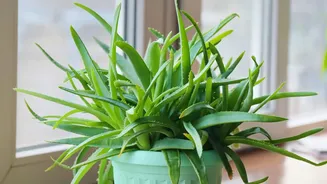
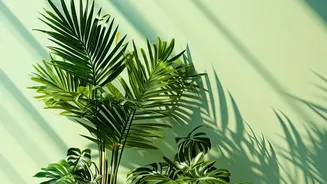
If you are lucky enough to have a spot that receives several hours of direct sunlight—typically near a south or west-facing window—you can grow plants that others can't. Succulents, such as the Jade Plant (Crassula ovata), thrive on neglect and direct sun, storing water in their leaves. Aloe Vera is another sun-lover that is both decorative and useful, but be sure to let its soil dry out completely between waterings. For a larger statement piece, an Areca Palm can bring a tropical feel to a bright room, though it prefers its light to be bright but filtered to avoid scorching its fronds. Compact varieties of Jasmine can also grow well near a sunny window, rewarding you with incredibly fragrant blooms.