






The Decline of the Calorie-Counting Era
For years, the approach to healthy eating was often defined by restriction and numbers. The “calorie in, calorie out” model dominated weight management conversations, leading many to focus on eating less rather than eating better. This mindset, however,
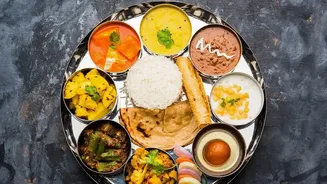
is proving to be limiting. It treats all calories as equal, ignoring the vast difference between 100 calories from a processed snack and 100 calories from a bowl of dal and vegetables. As awareness grows, people are realizing that this narrow focus can neglect vital aspects of nutrition, such as vitamins, minerals, fibre, and protein. This has led to a major shift away from pure calorie counting and towards a more holistic understanding of food.
What 'Meal Quality' Really Means
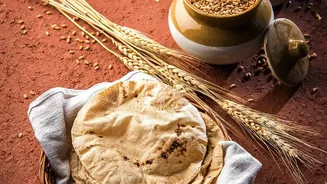
The new focus on meal quality is about conscious nourishment. Consumers are increasingly prioritizing the source, nutritional value, and composition of their food. This means a greater emphasis on whole foods, clean-label products, and understanding ingredients. The shift is visible in the rising demand for organic produce, which is seeing significant growth in e-commerce orders. It’s also about embracing functional foods—ingredients that offer health benefits beyond basic nutrition, like immunity-boosting turmeric or gut-friendly probiotics. Many are rediscovering the nutritional wisdom in traditional Indian diets, including millets, pulses, and high-quality proteins. It’s a move from asking “how many calories?” to “what’s in my food?”.
Drivers of This Dietary Shift
Several factors are fuelling this change. A primary driver is rising health consciousness, especially in the wake of the pandemic, which put a sharp focus on immunity. The growing prevalence of lifestyle diseases like diabetes and obesity has also pushed people toward preventive healthcare through diet. Increased access to information via social media and wellness apps plays a huge role, making consumers more informed about nutrition than ever before. This trend is particularly strong among urban millennials and Gen Z, who prioritize wellness-driven lifestyles. Furthermore, rising incomes allow more people to invest in higher-quality, healthier food options, expanding the market beyond just major metro cities into Tier-2 and Tier-3 towns.
From Niche Trend to Mainstream Market
What was once a niche interest has blossomed into a significant market. India's healthy food market is projected to grow substantially, with some estimates suggesting it could reach over USD 93 billion by 2033. This growth is not just in one segment but across various categories. The demand for organic foods, functional beverages, plant-based proteins, and healthy snacks is surging. In response, both new startups and legacy food companies are innovating, offering everything from clean-label packaged goods to subscription-based healthy meal kits. This commercial expansion makes it easier for consumers to access products that align with their new focus on quality, from wood-pressed oils and A2 ghee to snacks made from ragi and jowar.
A Holistic Approach to Well-being
Ultimately, this shift is about more than just food; it's about a broader definition of health. The goal is no longer just weight management, but achieving overall vitality. Consumers are connecting diet to improved energy levels, better gut health, mental clarity, and stronger immunity. This holistic perspective encourages a more sustainable and less restrictive relationship with food. Rather than eliminating traditional meals, the focus is on making them better—by increasing vegetable intake, ensuring adequate protein, and being mindful of portion sizes. It represents a move toward intuitive eating, where people are empowered to make informed choices that nourish their bodies and support their long-term health goals.