
The Landmark Versus The Experience
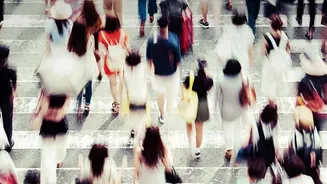
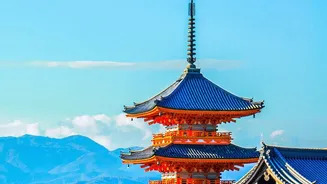
Picture Kyoto's Fushimi Inari Shrine, a cascade of thousands of vermilion torii gates winding up a mountain. The image is iconic, a symbol of spiritual Japan. The reality for most visitors is a slow, shuffling procession, with every photo including dozens
of strangers. Similarly, Arashiyama's Bamboo Grove, meant to be a tranquil forest path, often feels more like a crowded city street. This phenomenon, dubbed 'kanko kogai' or 'tourism pollution', is affecting Japan’s most famous sights. While these landmarks are undeniably beautiful, the experience of visiting them can feel hollow, a box-ticking exercise rather than a genuine connection with Japanese culture. The relentless crowds, congested public transport, and the commercialisation of sacred spaces are diminishing the very magic travellers come to find.
The Psychology of the Crowd
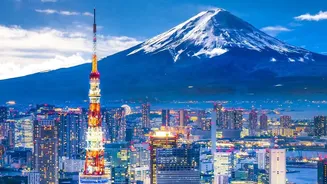
Why do we knowingly flock to these congested spots? The answer lies partly in a powerful psychological driver: the Fear of Missing Out, or FOMO. Social media acts as a massive catalyst, where a single viral video of a 'hidden gem' can turn it into a global hotspot overnight. Seeing friends and influencers at famous landmarks creates a social pressure to have the same experience, to capture the same photo as a form of social currency. There's a certain comfort in the well-trodden path of the 'Golden Route'—Tokyo, Kyoto, and Osaka—which sees the vast majority of tourist traffic. It feels safe and validated. But this behaviour creates a self-perpetuating cycle where popularity erodes the quality of the experience, leaving travellers feeling more like consumers than explorers.
A Conscious Correction
The Japanese government and local authorities are acutely aware of the problem. Acknowledging that the issue is one of distribution, not just volume, they have implemented a range of measures. These include tripling the departure tax for tourists from July 2026 to fund infrastructure improvements, promoting lesser-known regions, and introducing express tourist buses in Kyoto to ease pressure on local commuter lines. Some areas are experimenting with real-time crowd information systems and even considering dual pricing for tourists and locals at certain attractions. The goal is to gently guide visitors away from the saturated hotspots and spread the economic benefits of tourism more evenly across the country, while preserving the quality of life for residents.
Finding Your Own Japan
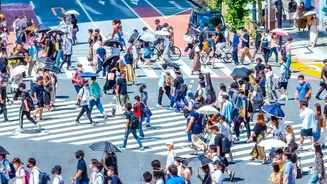
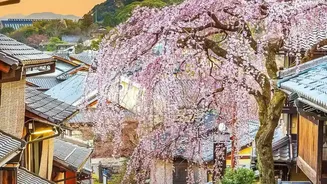
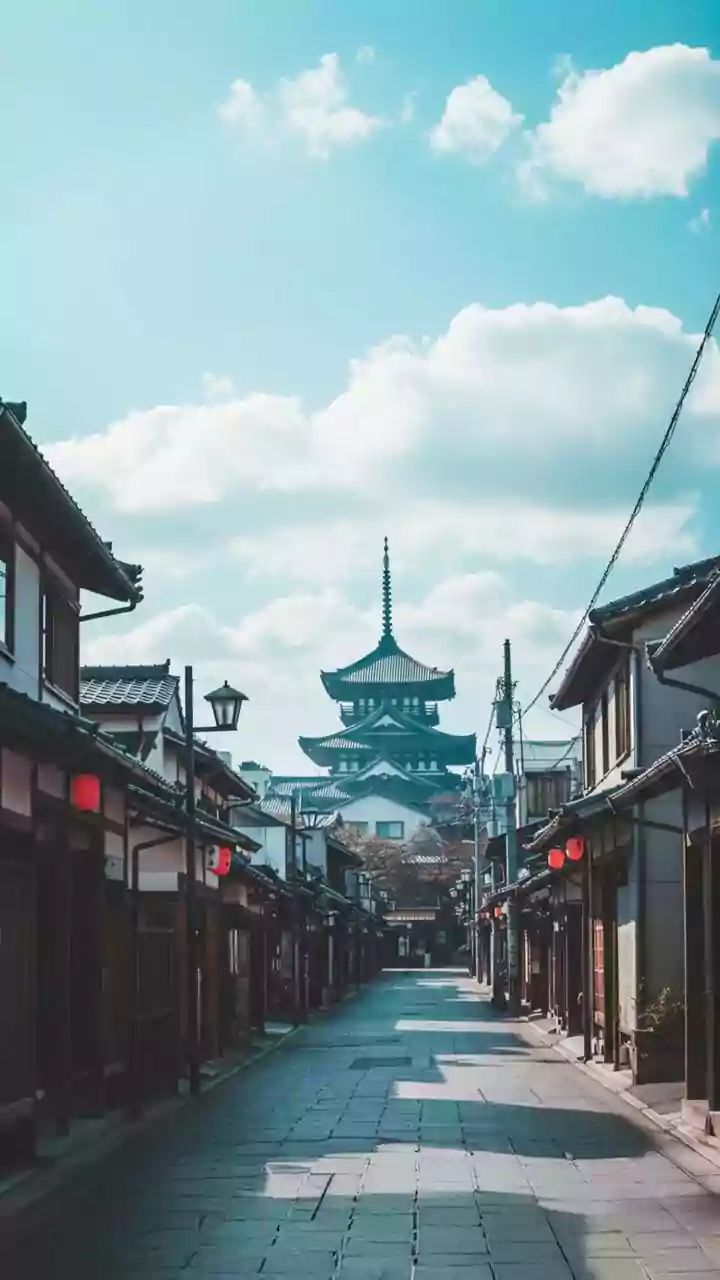
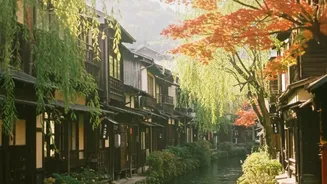
The single best way to counter overtourism is to adjust your own itinerary. This doesn't mean skipping major cities, but exploring them differently. Instead of Kyoto’s main bamboo path, walk just ten minutes further into the deeper Sagano trails where the crowds vanish. In Tokyo, swap the fleeting spectacle of Shibuya Crossing for the retro, multi-level pop culture labyrinth of Nakano Broadway. The true reward, however, lies in venturing beyond the Golden Route. For the historical atmosphere of Kyoto without the crowds, consider the beautifully preserved canal district of Kurashiki or the samurai city of Matsue. Instead of popular hot spring resorts near Tokyo, discover a traditional onsen town like Kinosaki, where you can wander between public bathhouses in a yukata. For stunning nature, the remote Iya Valley on Shikoku island or the coastline of the Noto Peninsula offer breathtaking scenery with a sense of genuine discovery. Cities like Fukuoka and Sendai offer vibrant food scenes and rich history without the overwhelming tourist footprint.