

Monitor the Weather Forecast Religiously
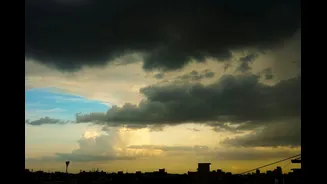
The Northeast Monsoon, typically active from October to December, primarily affects Tamil Nadu, Puducherry, Kerala, southern Andhra Pradesh, and parts of Karnataka. Before and during your trip, make it a habit to check the India Meteorological Department
(IMD) website and other reliable weather apps daily. The IMD has forecast a normal monsoon for the region in 2026, with the onset expected around mid-October. However, 'normal' can still include isolated heavy rainfall. Pay close attention to warnings for heavy rain, thunderstorms, or cyclones, as these can significantly impact your plans and safety. Being informed allows you to plan your daily activities around the weather, avoiding getting caught in a downpour or a more serious weather event.
Confirm Your Transportation Status
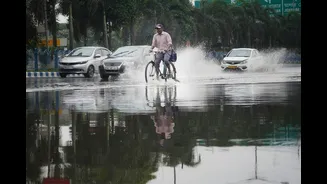
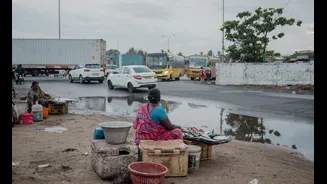
Heavy rains can cause widespread disruption to transport networks. Before you leave for the airport or train station, confirm your bookings. Flight delays and cancellations are common during monsoon due to poor visibility and strong winds. It's wise to book morning flights, as delays tend to cascade and worsen throughout the day. Similarly, check the status of your train, as waterlogging on tracks can cause delays or diversions. If you're planning a road trip, be aware that conditions can be hazardous. Landslides, washed-out roads, and flooded causeways are real risks, especially in hilly and coastal areas. Check local traffic advisories and have alternative routes planned. If an official warning is in place, it is safest to postpone that leg of your journey.
Verify Accommodation and Accessibility
Book your hotels in advance and call them a day or two before your arrival to confirm your reservation and check the local conditions. Ask about the accessibility of the hotel and whether surrounding roads are open. In low-lying or coastal areas, flooding can sometimes cut off access to properties. It's also a good idea to inquire if the hotel has a power backup, as power cuts can be more frequent during stormy weather. Booking a stay in a well-established hotel in a safe, accessible location is particularly important during this season. This is not the time for very remote or off-grid stays unless you are travelling with experienced local guides.
Pack for Health, Safety, and Comfort
Your packing list for a monsoon trip needs some specific additions. Prioritise quick-drying synthetic fabrics over cotton. A reliable waterproof jacket, a sturdy umbrella, and waterproof footwear with a good grip are non-negotiable. Pack a basic medical kit with essentials for fever, cold, stomach upsets, and antiseptic for minor cuts. Mosquito repellent is crucial, as the risk of mosquito-borne diseases like dengue increases with stagnant water. Also, include waterproof bags or pouches to protect your electronic devices, passport, and other important documents. A power bank is a smart addition in case of power outages.
Plan a Flexible Itinerary
The most common mistake travellers make during the monsoon is packing their itinerary too tightly. This season demands flexibility. Build buffer days into your schedule to account for potential delays. Have backup plans for indoor activities in case heavy rain ruins your outdoor sightseeing. Many outdoor activities, like trekking or boat trips, may be temporarily suspended for safety reasons. Always respect these restrictions; they are in place for your protection. Instead of rushing from one point to another, embrace a slower pace. The monsoon is a time to savour the atmosphere, enjoy a cup of tea while it rains, and appreciate nature's drama.
Check Health and Safety Advisories
Beyond the weather, be mindful of health risks associated with the monsoon. The risk of waterborne diseases like cholera and leptospirosis can increase due to flooding. Be very careful with food and water. Drink only bottled or properly filtered water and avoid street food that may have been exposed to contaminated water. Wash your hands frequently. Some government advisories also caution against travel to specific remote or border regions for security reasons, which are unrelated to the weather but important to be aware of when planning your overall trip.