







The Initial Feast of Indulgence
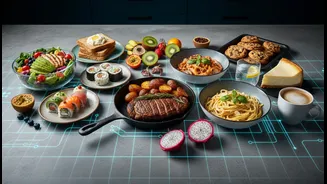
Not long ago, the rise of cloud kitchens—also known as ghost or delivery-only kitchens—was fueled by a simple formula: deliver craveable, high-margin comfort foods quickly. Burgers, biryanis, pizzas, and rich desserts dominated the menus of these virtual
brands. The business model was brilliant in its efficiency. With no storefronts or dining rooms, operators could focus entirely on food production and digital marketing, leveraging aggregators like Swiggy and Zomato to reach millions. This model thrived, especially as urban professionals sought convenient meal solutions. The emphasis was on taste, speed, and affordability, often at the expense of nutritional balance. This approach successfully captured a significant market share, but it also created a perception that delivery food was primarily an indulgence.
A Structural Shift Towards Health
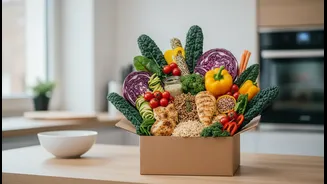
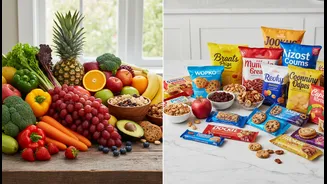
That perception is now becoming a liability. A significant and structural shift in consumer behaviour is underway across India. Health and wellness are no longer niche concerns but mainstream priorities for a growing number of consumers, especially millennials and Gen Z. This trend is clearly reflected in food ordering data. Swiggy, for instance, reported that as of early 2026, one in every nine orders came from its 'EatRight' category, which features high-protein and low-calorie meals. This demand is not just confined to metro areas like Bengaluru and Mumbai; cities like Ahmedabad, Goa, and Coimbatore are also showing strong growth in health-conscious ordering. Consumers are moving from occasional healthy choices to consciously integrating nutritious meals into their daily routines, a trend that delivery brands can no longer afford to ignore.
The Operational Hurdles of Healthy Food
Pivoting to healthier menus presents significant operational challenges for cloud kitchens, which are built on a model of speed and cost efficiency. Healthy cooking often requires fresher, more perishable ingredients, which complicates supply chains and increases the risk of spoilage and waste—a key issue for businesses with already thin margins. Unlike processed or frozen components, fresh produce demands more robust inventory management systems and adherence to strict rotation protocols like 'first in, first out' (FIFO). Furthermore, preparing nutritious meals can be more labour-intensive and require different skill sets and equipment. These factors can drive up operational costs, making it difficult to compete on price, which remains a major factor for many Indian consumers when ordering food online.
The New Recipe for Relevance
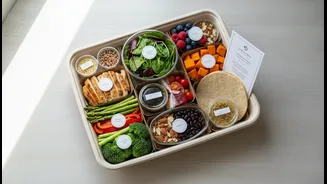
Despite the challenges, a growing number of brands are proving that health and convenience can coexist profitably. Companies like Curefoods, which operates the health-focused brand EatFit, have positioned themselves strongly in this segment by focusing on calorie-conscious menus and protein-rich options. Even brands traditionally associated with indulgence are adapting; Biryani By Kilo, for example, now offers a brown rice version of its signature dish to cater to fitness enthusiasts. Success in this space requires more than just adding a salad to the menu. It involves a thoughtful blend of appealing flavours, transparent nutritional information, and innovative recipes, like using cauliflower rice or offering gourmet salads with house-made dressings. These brands demonstrate that healthy food doesn't have to be bland and that there is a strong market for it.
Data-Driven Adaptation and Future Outlook
The very technology that powered the rise of cloud kitchens now holds the key to their future. Delivery platforms are using artificial intelligence and analysing vast amounts of customer data to identify trends, personalize recommendations, and even predict demand. This data clearly points towards a sustained interest in healthier eating. Platforms are responding by launching features like Zomato's 'Healthy Mode' and dedicated categories that make it easier for users to find nutritious options. For delivery-only brands, this means the pressure to adapt will only increase. The market is projected to continue its strong growth, but competition is also intensifying. The brands that will thrive are those that can use data to understand and respond to the evolving, health-conscious consumer.