





The Bandana Boom
From Copenhagen Fashion Week to the streets of Mumbai, the bandana has re-emerged as one of 2026's most versatile accessories. Celebrities like Dua Lipa, Zendaya, and Priyanka Chopra Jonas have been spotted incorporating the square scarf into their looks,
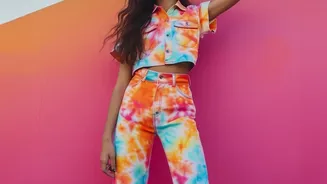
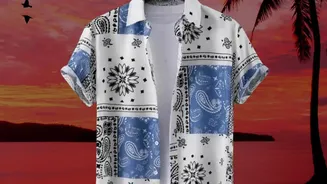
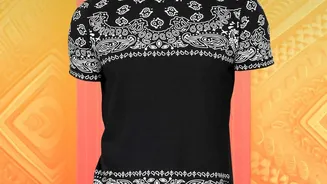
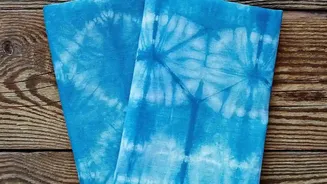
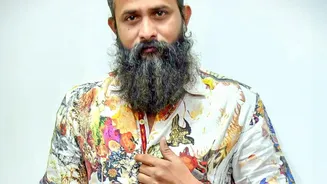
worn as a headscarf, a necktie, or even braided into hair. The trend has exploded on social media and resale platforms, with searches for bandanas reportedly rising over 150% in recent months. But this isn't just about the classic paisley print. The 2026 revival is embracing a wider world of patterns and fabrics, including block prints, embroidery, and intricate tie-dye designs that have a deeper, more significant origin.
A History Tied in Knots
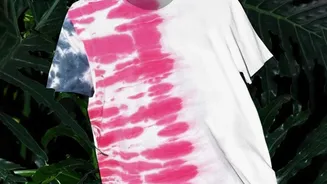
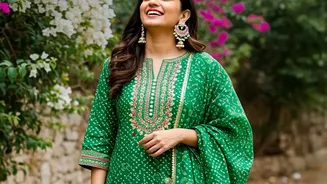
The heart of this revival's most authentic patterns lies in Bandhani, an ancient Indian tie-dye craft. The name comes from the Sanskrit word 'bandh', meaning 'to tie'. The technique involves pinching tiny sections of fabric and tightly tying them with thread before dyeing. When the knots are opened, they reveal a pattern of dots, squares, or waves. This intricate, labour-intensive process has been practiced for millennia, with evidence dating back to the Indus Valley Civilization and appearing in the 6th-century Ajanta cave paintings. Traditionally crafted by the Khatri community in regions like Gujarat and Rajasthan, Bandhani is more than a textile; it's a cultural heirloom passed down through generations.
From Indian Weddings to Global Runways
For centuries, Bandhani has been integral to Indian life, especially for milestone events. Certain colours and patterns hold deep cultural meaning; red often signifies a bride, while yellow is for a new mother. The 'Ghar Chola', a type of Bandhani sari, is a ritual necessity for many Gujarati brides. Now, this ancient art is finding a new global audience. The growing demand for handcrafted, sustainable textiles has put a spotlight on heritage crafts. Modern designers are reinterpreting Bandhani for contemporary silhouettes like jackets, co-ord sets, and fusion wear, moving it beyond traditional attire and onto the international stage. This shift positions Bandhani as a form of quiet luxury, where the value lies in the craftsmanship, not a logo.
Appreciation, Not Appropriation
As Bandhani-inspired prints become more mainstream, the conversation around cultural appropriation has become more urgent. In recent years, global brands like Ralph Lauren have faced backlash for using Bandhani-style patterns without crediting the craft's Indian origins or the artisans. Critics point out that selling a machine-printed imitation for a luxury price strips the art form of its context and devalues the painstaking work of the original artisans, who may sell authentic, hand-tied fabric for a fraction of the cost. This has ignited a call for greater transparency and respect in the fashion industry. True appreciation involves understanding the story behind the cloth, seeking out authentic pieces, and ensuring that the artisan communities who are the custodians of this heritage benefit from its global popularity.