






The dream of blending work with travel is no longer a fantasy for many remote professionals. But the secret to truly mastering this lifestyle lies not just in where you go, but when. Weekday travel is emerging as the ultimate hack for a better balance.
The Unbeatable Financial Perks
One of the most compelling reasons to travel on a weekday is the significant cost savings. Airlines and hotels operate on a simple supply-and-demand model. Since most people book their getaways from Friday to Sunday, prices for flights and accommodation surge during weekends. Studies have shown that flying mid-week, particularly on a Tuesday or Wednesday, can be substantially cheaper than on a Sunday. These savings aren't trivial; they can add up to a significant amount, especially for international flights. This price drop extends to accommodation, where checking in between Sunday and Tuesday can save a considerable amount per night compared to a weekend check-in. For a remote worker, this financial efficiency is a game-changer. The money saved on a flight can fund another leg of the journey, a nicer meal, or an extra activity, making travel more sustainable and accessible long-term.
Escaping the Weekend Crowds
Imagine exploring a popular monument, a famous museum, or a scenic beach without a sea of tourists. This is the reality of weekday travel. Major attractions that are packed on a Saturday are often calm and quiet on a Tuesday morning. This allows for a much more relaxed and authentic experience. You can take your time, appreciate the sights without feeling rushed, and capture photos without strangers in every shot. Fewer crowds also mean shorter queues for everything, from coffee shops to theme parks. This translates to less time waiting and more time enjoying. For a remote worker, this peaceful environment can be doubly beneficial. A quiet afternoon exploring a new city is a perfect way to recharge after a morning of focused work, reducing stress and boosting overall well-being.
A Deeper, More Authentic Experience
Weekend travel is often a rushed affair, trying to cram as much as possible into 48 hours. The 'bleisure' model—blending business and leisure—encouraged by remote work allows for a slower, more immersive pace. By staying in a location for a full week or more, you can experience it like a local. You see the city during its normal weekday rhythm, discovering neighbourhood cafes with the best Wi-Fi, finding the local market on a Wednesday, and enjoying weekday-only specials at restaurants. This approach transforms travel from a frantic checklist of sights into a genuine opportunity to connect with a place and its culture. This trend is growing, especially in India, where business hubs are often close to popular leisure destinations, making it easy to combine a work week in Bengaluru with a relaxed exploration of Coorg or Mysuru.
Boosting Productivity and Creativity
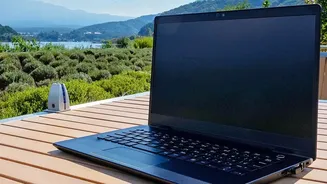
The idea that a change of scenery boosts creativity isn't just a cliché; it's a real psychological benefit. Working from a new environment can break the monotony of a home office, spark new ideas, and increase motivation. Several studies have shown that remote workers often report higher productivity due to fewer office-based distractions and greater flexibility. Traveling during the week complements this perfectly. Instead of facing a packed travel schedule that leaves you exhausted, you can integrate leisure seamlessly into your work routine. A morning hike before logging on or an afternoon swim after a big project is completed can act as powerful mental resets. This helps prevent burnout and keeps you engaged and focused on your professional tasks, knowing a mini-adventure is just hours away.
Mastering the Logistics of Work and Travel
Successfully balancing work and weekday travel requires clear boundaries and smart planning. It's crucial to establish a consistent work schedule and communicate your availability clearly to colleagues and clients, especially when dealing with different time zones. Designating a specific workspace, whether in your rental or at a local coworking spot, helps create a mental separation between 'work time' and 'leisure time'. The key is to treat your work commitments with the same seriousness you would at home. Plan your sightseeing around your work schedule, not the other way around. By being disciplined during work hours—blocking out time for deep work and being present in virtual meetings—you earn the freedom to completely unplug and explore once the laptop is closed.