

Heritage Takes Center Stage
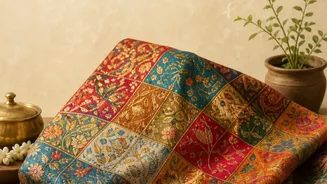
The message at the 2026 edition of India Couture Week, presented by the FDCI, was clear: the future of Indian luxury is deeply rooted in its past. This season, the true showstoppers were the masterfully crafted textiles that have defined Indian identity
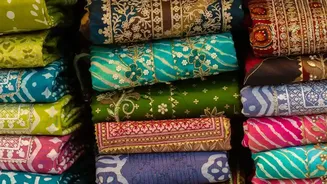
for centuries. Designers moved beyond surface-level embellishments, putting the spotlight on the fabric itself. It was a collective tribute to the artisans and weavers who are the silent custodians of India's craft legacy. Collections showcased a thoughtful fusion of palatial heritage with a sharp, modern sensibility, arguing convincingly that Indian design no longer trails global couture, but stands proudly on its own terms.
Weaving New Stories on the Runway
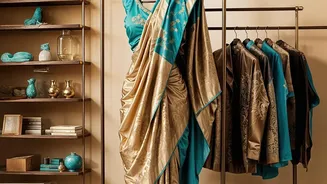
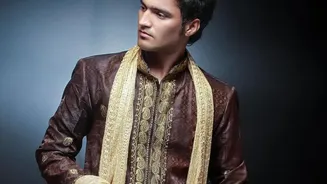
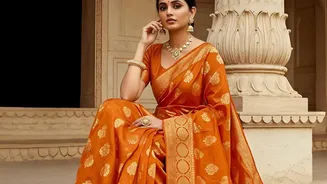
Several designers led this textile renaissance with collections that felt both nostalgic and refreshingly new. Arpita Mehta's 'Ceremonial' collection was a standout, celebrating textiles like Bandhani, Banarasi, and for the first time in her work, Kantha embroidery. Her pieces, which included modern saree gowns and capes, were presented in a palette that moved from soft seafoam to deep sindoor red, proving how traditional crafts can feel entirely current. Similarly, Kunal Rawal's menswear collection 'Rawalgarh' gave traditional textiles like Chikankari and Banarasi brocade a contemporary edge with lighter fabrics, hidden pockets, and deconstructed sherwanis designed for movement and comfort. Both collections demonstrated how ancient techniques are not just being preserved, but actively evolving.
Modern Silhouettes for a New Generation
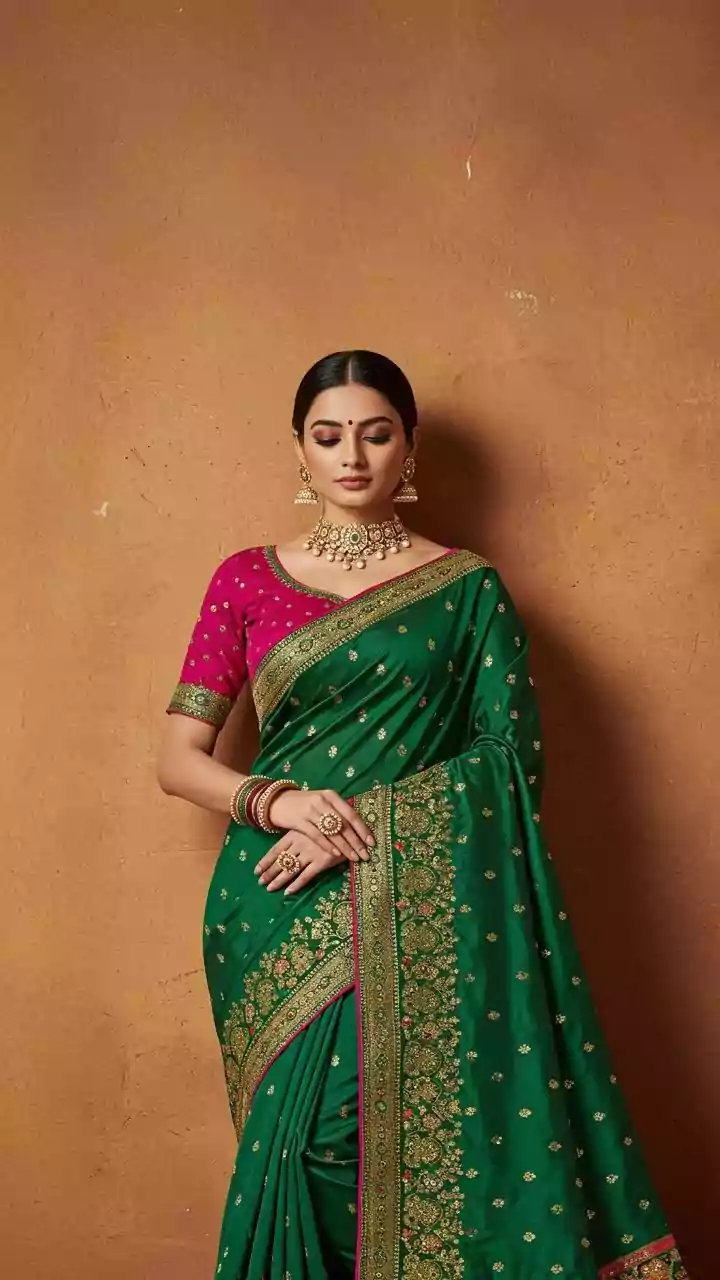
The 'reimagining' of these textiles was most evident in the silhouettes. While traditional lehengas and sarees were present, they were often deconstructed and reinterpreted for a modern audience. Sculpted corsets, sharp bralettes, and statement capes were frequently paired with intricately woven fabrics. Designers like Dolly J and Arpita Mehta showcased corseted blouses and thigh-slit skirts, anchoring vintage-style embroidery with a distinctly modern edge. Isha Jajodia's ROSEROOM collection blended European romance with Indian artisanship, pairing sculpted corsetry with delicate lace. This shift speaks to a new-age bride and festive dresser who wants inventiveness and whimsy along with tradition, seeking comfort and personal expression without compromising on grandeur.
The Rise of Conscious Couture
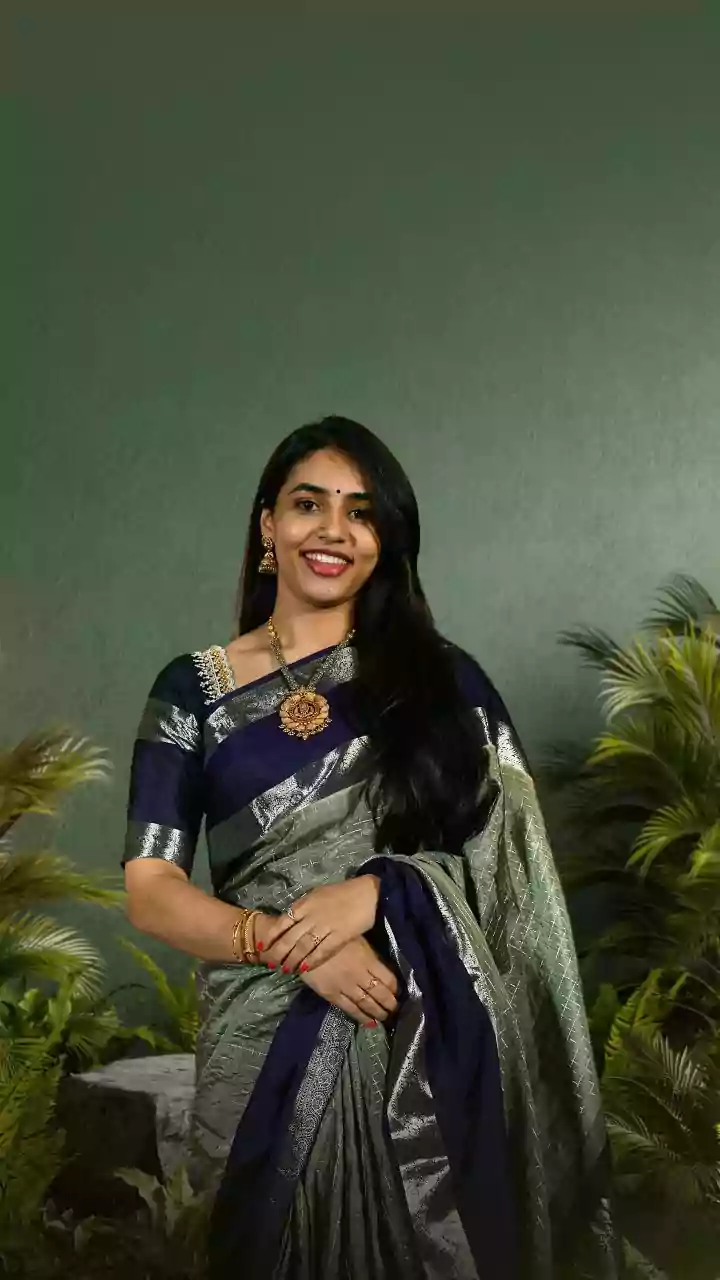
This embrace of handloom and heritage crafts is not just an aesthetic choice; it reflects a deeper cultural shift. In an era of fast fashion, there is a growing appreciation for authenticity, provenance, and sustainability. Today’s consumer values the story behind their clothing, and a handwoven textile carries with it the narrative of centuries of skill and culture. This trend indicates that luxury is no longer just about sparkle and excess. Instead, craftsmanship has become the ultimate indicator of luxury. By choosing a Banarasi lehenga or a Chikankari jacket, the modern celebrant is making a statement that is as much about personal style as it is about cultural pride and conscious consumption.