




The 2026 Season is Here
The Valley of Flowers National Park is now welcoming visitors, having opened on June 1, 2026. The trek season will continue until early October, with officials tentatively marking the closing date around October 4, 2026. This specific window exists because
the valley is covered in heavy snow during winter and is only accessible for a few months each year. Entry to the park is permitted from 7:00 AM, with the last entry at 2:00 PM, and all visitors must exit by 5:00 PM as overnight stays within the valley are not allowed.
A Carpet of Himalayan Colour
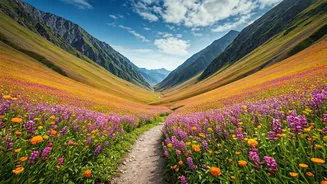
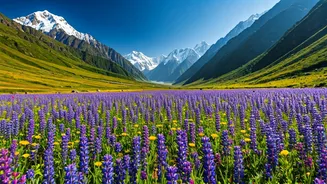
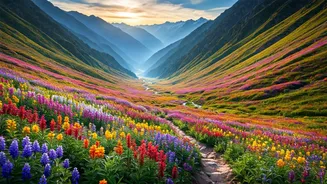
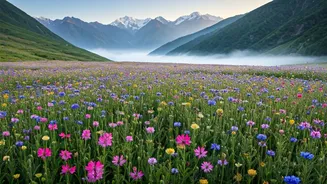
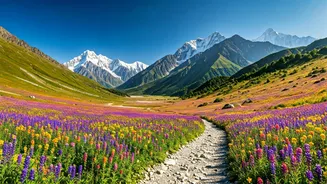
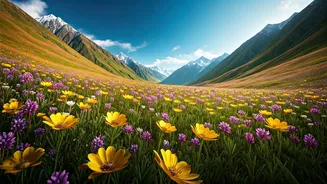
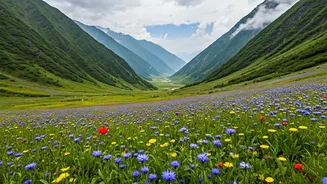
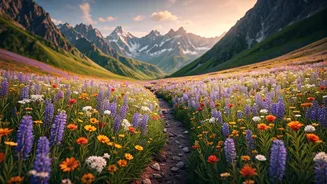
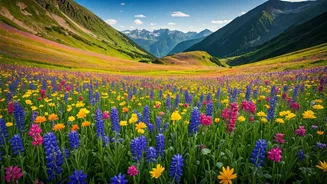
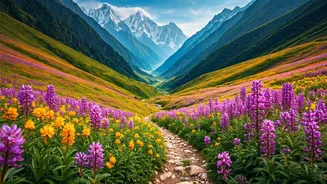
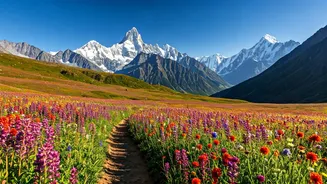
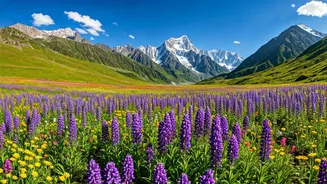
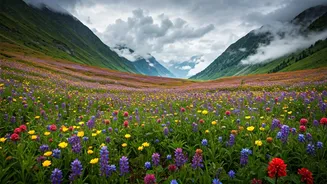
Nestled high in the Garhwal Himalayas, this national park is renowned for its meadows of endemic alpine flowers. While the valley is green and fresh after the snowmelt in June, the peak blooming season runs from mid-July through August. During this time, the landscape transforms into a vibrant tapestry of hundreds of flower species, including the elusive Blue Poppy, Brahma Kamal, and Cobra Lily. The monsoon rains, which can make other Himalayan treks challenging, are what bring this valley to life, making it a unique monsoon trekking destination. The park is part of the larger Nanda Devi Biosphere Reserve and its fragile, breathtaking ecosystem is what earned it the status of a UNESCO World Heritage Site.
How to Plan Your Journey
The journey to the Valley of Flowers typically begins from major cities like Delhi. The most common route involves travelling to Rishikesh or Haridwar first, which are well-connected by overnight buses and trains. From Rishikesh, it's a long but scenic road journey of about 10-12 hours to Govindghat or the slightly further Joshimath, tracing the path of the Alaknanda River. Govindghat serves as the base for the trek. From here, the motorable road extends to Pulna, about 4 km away. The trek itself begins from Pulna to Ghangaria, a 9-10 km trail that takes most of the day. Ghangaria, a small village at an altitude of over 10,000 feet, serves as the base camp for trekkers.
The Trek to Paradise
From the base camp at Ghangaria, the entrance to the Valley of Flowers is a relatively moderate 3-4 km trek. The trail is well-defined but can be rocky and slippery, especially during rains. Ghangaria is also the starting point for another significant journey: the steep, high-altitude trek to Hemkund Sahib. This revered Sikh Gurudwara is situated beside a glacial lake at an altitude of over 15,000 feet. Many visitors combine both destinations in their itinerary, spending one day in the Valley of Flowers and another making the pilgrimage to Hemkund Sahib, both starting from and returning to Ghangaria.
Essential Tips for Trekkers
Given Ghangaria's remote location, accommodation is basic and should be booked in advance, especially during the peak months of July and August. Proper acclimatisation to the altitude is crucial. Essential items to pack include waterproof trekking shoes with good ankle support, a poncho or high-quality raincoat, and layered clothing like quick-dry T-shirts and fleeces. Do not pack heavy cotton clothes or jeans. A small daypack is necessary for carrying water, snacks, and rain gear from Ghangaria into the valley. Also, remember to carry a power bank, as electricity can be unreliable, and sufficient cash, as ATMs are scarce after Joshimath.