



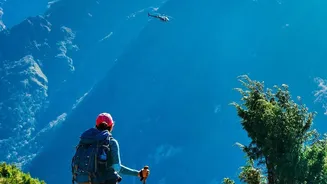

From Solo Miles to Social Circles
For years, the image of a solo traveller often involved solitary sightseeing, perhaps punctuated by fleeting conversations in a hostel common room. But as we look towards 2027, that picture is being redrawn. According to Booking.com's latest travel predictions,
which surveyed over 28,000 travellers, a new trend dubbed 'Sweat Synergy' is on the rise. It highlights that solo travel is getting a team upgrade, with fitness becoming a primary vehicle for making friends. The data is compelling: two-thirds (66%) of travellers who have vacationed alone report that sharing a physical activity or challenge led to a lasting friendship. This isn't just about staying in shape on the road; it's about using a shared goal, like a morning run or a tough hike, as a foundation for genuine human connection.
Why Sweating Together Works
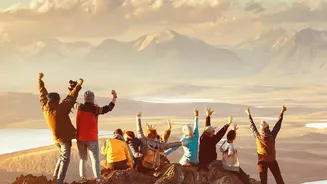
So, why is a spin class in a new city or a mountain trek with strangers becoming the new icebreaker? The answer lies in the psychology of shared experience. When you engage in a physical activity with others, barriers naturally come down. It creates an environment of mutual support and encouragement. Whether you're navigating a tough trail or pushing through the last kilometre of a destination race, you're in it together. This shared vulnerability and achievement forges a bond much faster than small talk over a drink. Experts note that this trend is part of a larger post-pandemic push for community and a desire for experiences over passive indulgence. People are seeking more than just a photo; they want a story and a connection, and nothing builds camaraderie quite like a shared challenge.
What This Trend Looks Like in India and Abroad
This isn't just a niche trend for elite athletes. It's accessible to everyone and is taking many forms across the globe. In India, a country with deep roots in wellness, this trend is flourishing. Think of the rise of yoga retreats in Rishikesh, surf camps in Varkala, or organised trekking groups in the Himalayas. These aren't just holidays; they are immersive experiences where travellers bond over asanas at sunrise or while navigating mountain passes. Globally, the options are just as diverse: city running clubs that welcome tourists for a morning jog, Muay Thai training camps in Thailand, and destination marathons are booming. Booking.com's research found that 52% of solo travellers are interested in trips to sporting events, indicating that the sport itself is the draw, and the connections are the invaluable bonus.
The Rise of the Wellness-Driven Holiday
The 'Sweat Synergy' trend is a key part of a much bigger shift towards wellness tourism, which is growing faster than any other travel segment. A significant 67% of travellers say that a change in their health or lifestyle has recently influenced their vacation choices. People want to return from a trip feeling better, not worse. This has led to a re-evaluation of the traditional 'fly and flop' holiday. Travellers are now more intentional, with 81% stating they'd pick a destination based on how they want to feel, rather than just the location itself. Hotels and tour operators are responding by offering everything from high-protein meal plans to running concierges and curated group fitness activities.
How to Find Your Tribe on Your Next Trip
Jumping into this trend is easier than you might think. Start by identifying a fitness activity you enjoy or have always wanted to try. Websites and social media are great resources for finding group activities in your destination city. Look for local running clubs on Instagram, search for drop-in yoga or CrossFit classes, or book a multi-day retreat focused on an activity like surfing or hiking. Don't be intimidated by skill level; most of these groups are welcoming to beginners and pros alike. The goal isn't to be the best but to participate and be open. As Booking.com's report suggests, over half (55%) of travellers are interested in joining a community of like-minded people while on the road, so you'll find plenty of others looking for the exact same thing.