




The Urban Gardener's Dilemma
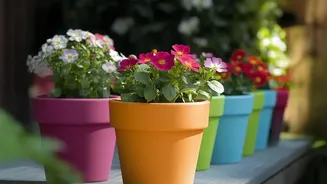
If you’ve ever loved a potted plant to death, you’re not alone. Overwatering is one of the most common mistakes in container gardening. Unlike garden beds, pots have limited drainage, and it’s easy to create a soggy environment that suffocates roots.
When roots can’t get oxygen, they become susceptible to root rot, a fungal disease that can quickly kill a plant. The signs of overwatering—like yellowing leaves and wilting—can confusingly mimic the signs of a thirsty plant, leading many well-meaning gardeners to add even more water and worsen the problem. For those with a small collection of plants on a balcony or windowsill, striking the perfect moisture balance feels like a constant guessing game.
From Guesswork to Smart Science
Traditional moisture meters, which measure electrical conductivity, have offered a basic solution for years. While helpful, they can be imprecise and still require interpretation. Now, a more sophisticated technology is on the horizon: microbial soil sensors. These devices go beyond a simple wet-or-dry reading. Instead, they monitor the health and activity of the microscopic ecosystem living in the soil. The world beneath the surface is teeming with bacteria and fungi that are essential for a plant's health. These microbes break down organic matter, cycle nutrients, and help protect against disease. Their activity levels are a direct indicator of overall soil health and, crucially, the moisture conditions.
How Do Microbial Sensors Work?
While the technology is still emerging, the core principle is fascinating. Some of these advanced sensors are built with biodegradable materials that soil microbes can actually 'eat'. As the microorganisms in the soil consume the sensor's organic compounds, it changes the sensor's electrical properties. This change is measured and translated into data about the intensity of microbial activity. When the soil is too dry or too waterlogged, microbial activity slows down. When conditions are just right, the microbes are active and thriving. By tracking this activity in real-time, the sensors can provide a much more nuanced picture of what’s happening at the root level. This data can then alert the gardener with high precision, indicating not just when to water, but also providing deeper insights into the soil's overall vitality.
Benefits Beyond Just Watering
The promise of this technology extends beyond simply preventing root rot. A healthy, active soil microbiome is the foundation of a thriving plant. These beneficial microbes improve soil structure, making it better at holding both water and air. They also play a critical role in nutrient cycling, converting nutrients in the soil into forms that the plant can easily absorb. Some microbes even form symbiotic relationships with plant roots to enhance their reach for water and nutrients, or produce compounds that suppress disease-causing pathogens. By helping gardeners maintain an optimal environment for these microscopic allies, microbial sensors could lead to stronger, more resilient plants that are better equipped to handle stressors like pests and inconsistent temperatures.
The Future of Your Balcony Garden
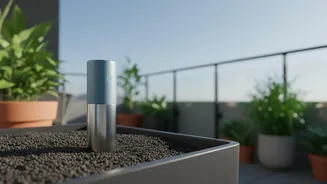
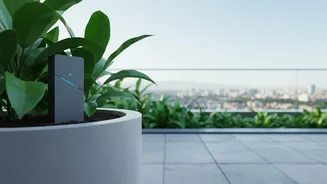
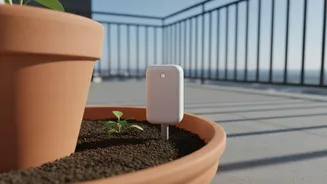
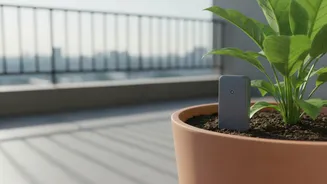
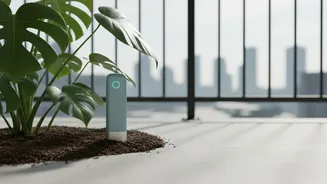
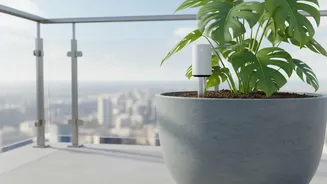
While you might not find a microbial sensor at your local garden centre just yet, the technology is developing rapidly, primarily for large-scale agriculture. Researchers are working on low-cost, wireless versions that can be deployed over large areas. As with many innovations, the technology is expected to become more accessible and affordable for home use over time. For the urban gardener, this represents a significant leap forward. Imagine a simple, subtle probe in your potted basil or tomato plant that doesn't just tell you if the soil is wet, but if the very life within it is flourishing. It’s a shift from reactive care to proactive, holistic plant management, taking the anxiety out of watering and making a lush balcony garden more achievable than ever.