






An End to the State-by-State Patchwork
Previously, the validity of a PUC certificate could change depending on where your vehicle was registered, leading to confusion for vehicle owners who travelled across state lines. Some states required renewals every six months, while others had different
timelines. This inconsistency often resulted in drivers with valid certificates from their home state being incorrectly penalised elsewhere because local systems couldn't verify their data. The new rules, introduced through the Central Motor Vehicles (Sixteenth Amendment) Rules, 2026, create a single, nationwide standard, ensuring that a PUC certificate holds the same meaning and validity everywhere.
New Validity Rules: BS-VI Vehicles
The most significant changes apply to vehicles compliant with BS-VI emission norms, with validity now tied to the vehicle's age and type (private or commercial). For private (non-transport) BS-VI vehicles up to six years old, the PUC certificate is now valid for three years, a significant extension from the previous one-year rule. For those between six and ten years old, the validity is one year. Once a private BS-VI vehicle is over ten years old, it will require a renewal every six months. Commercial (transport) BS-VI vehicles have a slightly different schedule: a two-year validity for vehicles up to six years old, annual renewal for those aged six to ten years, and a six-month renewal for those over ten years old.
Standardisation for Older Vehicles
The government has also streamlined the rules for older vehicles. For all vehicles complying with BS-IV norms, the PUC certificate validity is now a uniform six months across the country. Previously, this was one year under central rules, but some regions like the NCR had already enforced a six-month timeline. For even older vehicles—those meeting BS-I, BS-II, and BS-III standards—the validity period has been set at three months, regardless of age or vehicle type. This brings uniformity to the most polluting category of vehicles, ensuring more frequent checks.
Why the Change Was Implemented
This move is about more than just standardisation; it's a critical step in creating a unified national database for vehicle emissions. By linking PUC data directly to the central VAHAN portal, the government can better monitor compliance and enforce pollution standards nationwide. This digital integration makes it easier for law enforcement to verify a certificate's validity instantly using mobile apps and other tools, reducing both harassment for compliant drivers and opportunities for fraud. The ultimate goal is to more effectively tackle India's air pollution crisis by ensuring that all vehicles on the road are regularly checked and meet prescribed emission limits.
What You Need to Know
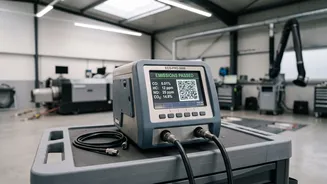
For vehicle owners, these new rules mean it's crucial to be aware of your vehicle's emission standard (BS-IV, BS-VI, etc.) and age to know your specific renewal timeline. All vehicles are exempt from PUC requirements for the first year after their initial registration. After that, the new validity periods apply. Getting a certificate involves taking your vehicle to a government-authorised testing centre. Failure to produce a valid PUC certificate can lead to significant penalties, including a fine of up to ₹10,000, imprisonment for up to six months, or both, under the Motor Vehicles Act.