





The Monsoon's Deceptive Danger
For generations, Indians have associated the monsoon with cooler temperatures and life-giving rain. While the mercury might drop a few degrees compared to the pre-monsoon heatwaves, the season brings a different, more insidious threat: extreme humid heat.
This combination of high air moisture and still-warm temperatures is proving to be a significant health risk, turning a season of relief into one of high alert for heat-related illnesses across the country. Recent studies show this isn't an isolated phenomenon but a growing trend, with dangerous humid heat conditions emerging as a major concern during what was once considered a cooler part of the year.
It's Not the Heat, It's the Humidity
The key to understanding this threat lies in how our bodies cool down. We rely on the evaporation of sweat to regulate our internal temperature. However, when the air is already saturated with moisture—as it is during the monsoon—sweat can't evaporate effectively. Instead, it clings to the skin, and our natural cooling system fails. Scientists use a measure called 'wet-bulb temperature' to assess this combined stress of heat and humidity. Unlike the standard temperature reading, it indicates the lowest temperature your body can reach by sweating. As wet-bulb temperatures rise in India, the risk of deadly heatstroke and organ failure increases dramatically, even at air temperatures that might not seem extreme on their own.
Why Is This a Growing Problem?
This dangerous trend is being driven primarily by two factors: climate change and urbanization. A warmer global atmosphere can hold more moisture, which intensifies the global water cycle. For India, this means not only more erratic rainfall but also higher humidity levels during the monsoon. Scientific studies have directly linked the rise in monsoon moist heat to global warming. Furthermore, rapid urbanization across the country creates 'heat islands,' where concrete and asphalt absorb and radiate more heat than natural landscapes. Reduced green cover in cities further exacerbates the problem, trapping heat and moisture and making urban areas particularly vulnerable to this phenomenon.
Who Is Most at Risk?
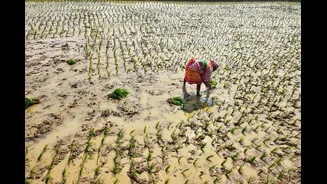
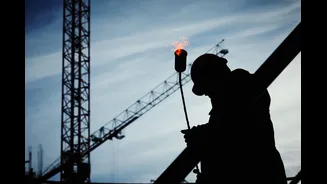
While everyone can be affected, some populations are far more vulnerable. Outdoor labourers, including construction and agricultural workers, are on the front lines, often with little access to shade or cooling breaks. The elderly, young children, and individuals with pre-existing medical conditions like heart or kidney disease are also at significantly higher risk. Their bodies are less able to regulate temperature, making them more susceptible to the severe effects of humid heat. Studies warn that as conditions worsen, tens of millions of people across densely populated regions like the Indo-Gangetic plain will face a direct impact on their health and ability to work.
Recognising the Warning Signs
Understanding the symptoms of heat stress is crucial for prevention. The first stage is often heat exhaustion, which can include heavy sweating, cool and clammy skin, a weak but rapid pulse, dizziness, headache, and nausea. If not addressed immediately by moving to a cooler place and rehydrating, it can progress to heatstroke. Heatstroke is a medical emergency. Its symptoms include a high body temperature (above 103°F or 39.4°C), hot and red skin (which may be dry or damp), confusion, slurred speech, and loss of consciousness. Immediate medical attention is required in such cases.
How to Stay Safe in the Sticky Season
Adapting to this new reality requires both awareness and action. On a personal level, it’s vital to stay hydrated by drinking water regularly, even if you don't feel thirsty. Wear lightweight, loose-fitting clothing to help your body cool. If possible, avoid strenuous outdoor activities during the hottest parts of the day. For public health officials, the challenge is to update heat action plans to account for humidity, not just temperature. Early warning systems that use wet-bulb temperature can provide more accurate risk assessments and help save lives, especially for the most vulnerable communities.