







The Season of Sluggish Digestion
As welcome as the rains are, the increased humidity and dampness take a toll on our bodies. According to Ayurveda, the monsoon season, or 'Varsha Ritu', is a time when our digestive fire, or 'Agni', naturally weakens. [4] This leads to a slower metabolism,
making us more susceptible to issues like bloating, acidity, and indigestion. [4, 6, 7] The damp environment also provides an ideal breeding ground for bacteria and viruses, increasing the risk of water-borne diseases and infections. [12, 19] This combination of a compromised digestive system and a weaker immune response is why our bodies often feel sluggish and vulnerable during this season. [6, 12]
Ayurveda’s Blueprint for Monsoon Wellness
For centuries, traditional Indian wisdom has advocated a specific diet to counteract these seasonal challenges. Ayurveda suggests that the monsoon aggravates the 'Vata' dosha, which governs movement and can lead to irregular digestion and gas. [4] To pacify Vata and support the weakened Agni, the principle is to favour foods that are light, warm, and easy to digest. [5, 8] This means shifting away from heavy, oily, and raw foods, which can strain the gut. [12] Instead, the focus is on cooked meals, warm soups, and specific ingredients that kindle the digestive fire and bolster immunity. [8, 15]
Embrace Warming Spices
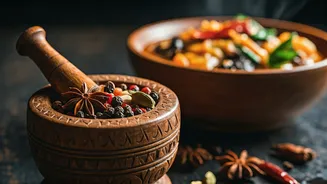
Spices are the cornerstone of a monsoon diet, acting as powerful tools for health. Ginger, with its anti-inflammatory and digestive properties, is exceptional for relieving cold symptoms and aiding digestion. [3, 13] Turmeric is a celebrated immunity booster, thanks to its active compound curcumin, which has potent anti-inflammatory and antioxidant effects. [13, 17] Black pepper not only adds heat but also enhances nutrient absorption and helps clear congestion. [3, 17] Other essential spices include cumin (jeera) for digestion, and asafoetida (hing) and fenugreek (methi) to keep infections at bay. [5, 22]
Favour Light Vegetables and Lentils
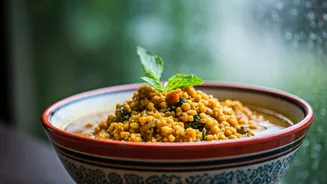
While leafy greens should be consumed with caution due to the risk of dirt and germs, the season offers a bounty of other beneficial vegetables. [5, 20] Gourds like bottle gourd (lauki), bitter gourd (karela), and ridge gourd (turai) are light on the stomach and easy to digest. [14, 18] Root vegetables like beetroot and carrots are also excellent choices. [9, 18] When it comes to protein, light lentils such as moong dal are highly recommended. A warm bowl of moong dal khichdi, prepared with a dollop of ghee and spices, is a complete and comforting meal that soothes the digestive system. [10, 11]
Choose Your Fruits Wisely
The monsoon brings a delightful variety of seasonal fruits that are perfect for this time of year. Jamun (Indian blackberry) is excellent for managing blood sugar and stomach issues. [9, 14] Pears, plums, and peaches are rich in fibre and antioxidants, helping to boost immunity and detoxify the body. [9, 14, 20] While hydration is important, it's best to be mindful of water-heavy fruits like watermelon. Instead, opt for fruits like pomegranates and apples, which are packed with essential vitamins and help strengthen your body’s defences against seasonal illnesses. [16, 24]