




The Danger of 'Wet Feet'
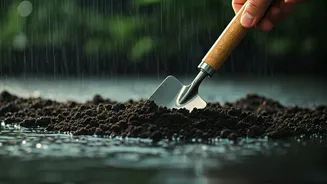
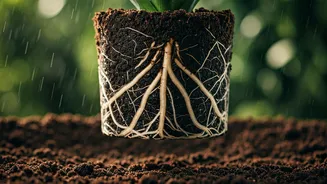
When soil in a pot remains saturated, it’s not just mud; it’s a death sentence for most plants. Healthy soil contains tiny air pockets that roots need to breathe. When these pockets are constantly filled with water, the roots are effectively drowning.
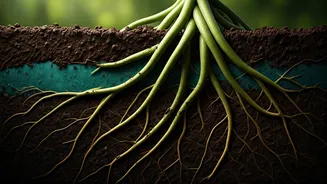
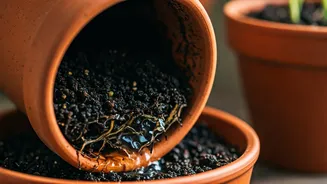
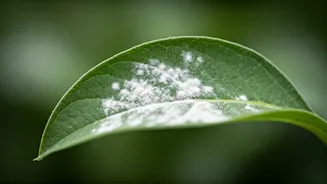
This condition, often called 'wet feet', starves the roots of oxygen, leading to root rot. As the roots decay, they lose their ability to absorb water and nutrients, which is why an overwatered plant often looks wilted and sick, much like an underwatered one. The soil can also develop a sour smell or grow mould on the surface, clear signs that the environment has become toxic to your plant.
Spotting the Soggy Signs
Before root rot becomes irreversible, your plants will give you warning signs. The most common symptom is yellowing leaves, which often start at the base of the plant and move upward. These leaves might feel soft or mushy, not dry and crispy like those on a thirsty plant. Other indicators include wilting despite the soil being wet, stunted growth, and leaves dropping prematurely. You might also notice the base of the plant stem feeling soft or unstable, or an increase in small flying insects like fungus gnats, which thrive in moist soil.
The Right Foundation: Soil and Pots
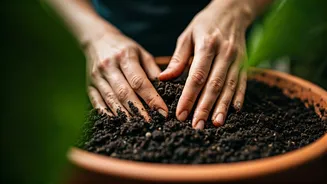
Prevention starts with the right setup. Never use soil from your garden in balcony pots; it's too dense and compacts easily, leading to poor drainage. Instead, always opt for a high-quality potting mix specifically designed for containers. These mixes are lightweight and contain ingredients like perlite, pumice, or vermiculite that create air spaces and improve drainage. You can further enhance drainage by adding extra perlite or coarse sand to your mix. The pot itself is just as crucial. Ensure it has at least one, preferably several, drainage holes at the bottom. Without them, excess water has nowhere to go.
An Immediate Fix for Waterlogged Soil
If you realize a pot is waterlogged, you need to act fast. First, move the plant out of direct sun to reduce stress. If possible, gently tip the container to drain any standing water. To help the soil dry out, you can gently aerate it by poking deep holes around the edge of the pot with a chopstick, which allows air to reach the roots. For severely soaked soil, you might need to carefully remove the plant from the pot. If the roots are dark and mushy, trim away the rotten parts with clean scissors. Repot the plant with fresh, well-draining potting mix into a clean pot. Avoid watering it again until the top inch or two of soil is completely dry.
Mastering Your Watering Routine
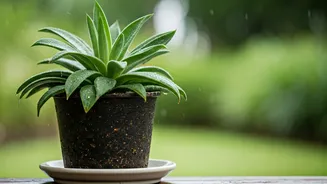
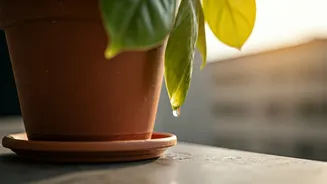
The golden rule of watering container plants is to check the soil first. Don't water on a fixed schedule. Instead, push your finger about an inch or two into the soil. If it feels dry at that depth, it's time to water. When you do water, do so thoroughly until you see water running out of the drainage holes. This ensures the entire root ball gets hydrated. After it drains, be sure to empty the saucer beneath the pot. Letting a plant sit in a saucer full of water is one of the most common ways to cause root rot. By paying attention to the soil, you can give your plants exactly what they need, when they need it.