




The Golden Rule of Bulk Buying
The most important principle of buying in bulk is simple: only purchase large quantities of items that your household uses consistently. It can be tempting to grab a giant bag of exotic quinoa or a trendy new snack, but if it is not a regular part of your family’s
diet, you risk it expiring on a shelf. This leads to food waste, which cancels out any potential savings. Before making a bulk purchase, ask yourself if it is a staple you frequently run out of. If the answer is yes, you are on the right track. This strategy ensures you are spending money on items you will definitely use, turning your pantry into a cost-saving tool rather than a food graveyard.
Know Your Numbers: The Unit Price
A large package looks like a good deal, but the only way to be certain is to check the price per unit. Many store shelves display this information, but you can easily calculate it yourself with your phone's calculator. Simply divide the total price by the quantity (e.g., per kilogram, per 100 grams, or per litre). Compare this with the unit price of the smaller package. The bulk version should be significantly cheaper to justify the large upfront cost and the storage space it will occupy. Do not assume bigger is always cheaper; sometimes promotional offers on smaller packages can provide better value.
Smart Storage for the Indian Climate
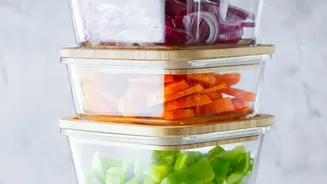
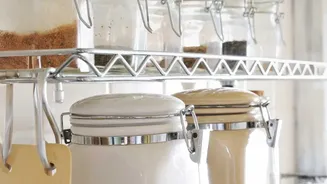
In India, heat and humidity are the enemies of stored food. Improper storage can lead to spoilage, pests, and wasted money. The moment you bring bulk items home, transfer them from their original bags into clean, dry, airtight containers. For items like rice, dals, and atta, large steel or BPA-free plastic containers work best. Keep these containers in a cool, dark place away from the stove and direct sunlight. Never store food bags directly on the floor, as moisture can seep in. Traditional methods like adding a few dried neem or bay leaves to grains can help repel pests naturally. During the monsoon season, consider using silica gel packets in containers for sugar and spices to absorb excess moisture.
The Best Bulk Buys for an Indian Kitchen
Certain items are practically made for bulk purchasing in a typical Indian household. These are the non-perishable staples that form the foundation of countless meals. Grains and Flours: Rice (Basmati, Sona Masoori) and whole wheat atta are used daily, making them perfect for bulk buying. Lentils and Pulses: Toor dal, masoor dal, chana, and rajma are pantry powerhouses with a long shelf life. They are rich in protein and incredibly versatile. Cooking Oils: Depending on your consumption, buying large tins of sunflower, groundnut, or mustard oil can lead to significant savings. Spices: While ground spices lose their potency faster, whole spices like cumin seeds, coriander seeds, peppercorns, and dried red chillies keep their flavour for a long time. Buy them whole and grind in smaller batches as needed. Ghee: A large container of ghee is often more economical and will last for months in your pantry. Sugar and Tea: These are daily essentials that are ideal for stocking up on.
What to Avoid Buying in Bulk
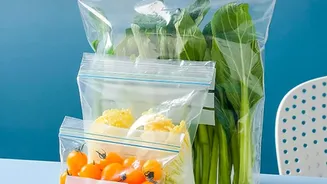
Just as important as knowing what to buy is knowing what to skip. Avoid buying items with a short shelf life, such as certain oils that can go rancid or brown rice, which has a shorter shelf life than white rice. Don't buy perishable produce in bulk unless you plan to preserve or freeze it immediately. Spices you use infrequently and anything you are trying for the first time should be bought in small quantities. Finally, be wary of snack foods and treats; having a large quantity on hand can lead to overconsumption, which is not good for your health or your wallet.