



The Physical Workout: Total Body vs. Lower Body
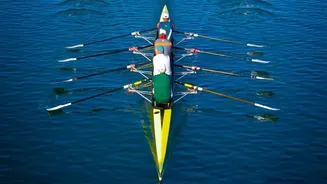
Rowing is renowned for being one of the most efficient full-body workouts available. Each stroke engages approximately 86% of your muscles, including the legs, core, back, and arms, delivering a comprehensive strength and cardio session in one. This makes
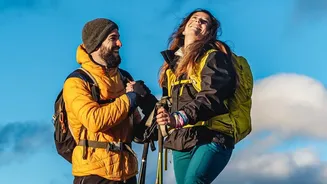
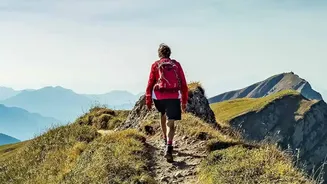
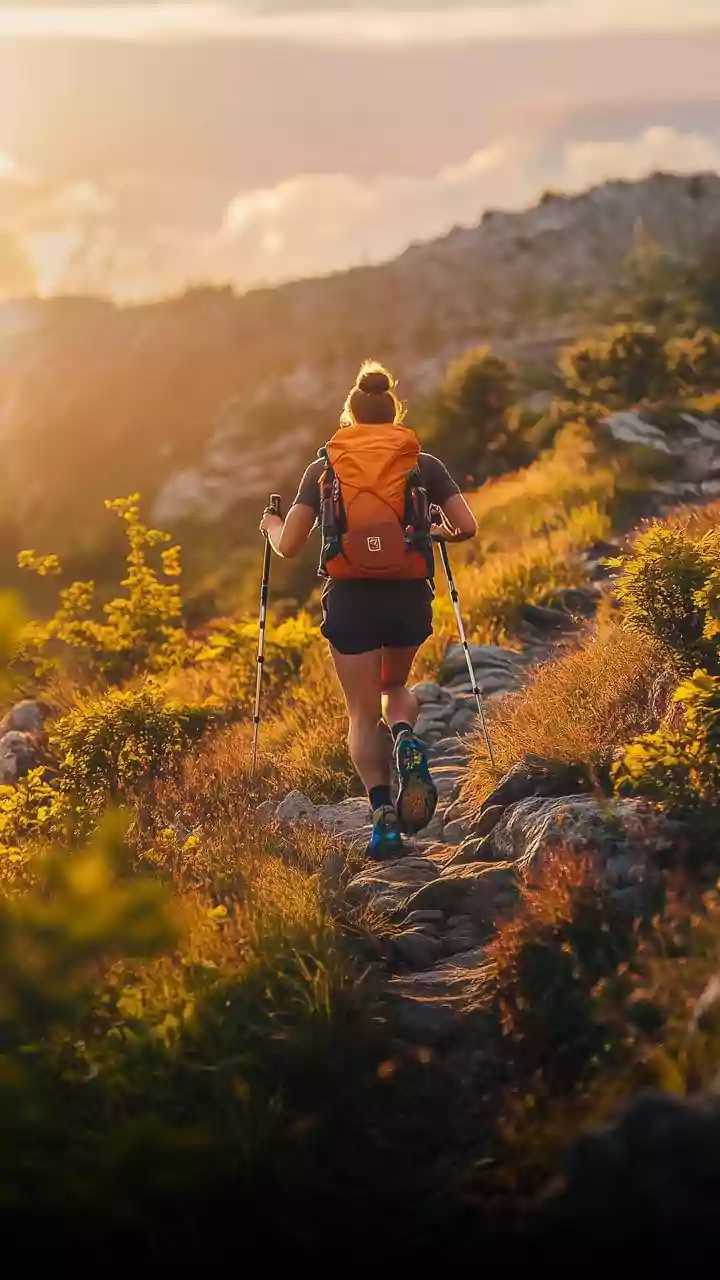
it incredibly effective for building muscular endurance and burning calories. It’s also a low-impact activity, meaning it's gentle on the joints, which is a significant advantage for people of all fitness levels or those recovering from injury.Hiking, on the other hand, is primarily a lower-body and core workout. The varied terrain of a trail challenges your leg muscles, glutes, and stabilising core muscles in ways a flat surface cannot. It's a weight-bearing exercise, which is excellent for improving bone density and joint health. While it doesn't offer the same upper-body engagement as rowing, the intensity can be easily scaled from a gentle walk to a strenuous mountain climb, making it a versatile cardiovascular exercise.
The Mental Game: Rhythmic Meditation vs. Natural Immersion
The mental benefits of rowing often come from its rhythmic, repetitive nature. The steady sequence of the catch, drive, finish, and recovery can induce a meditative state, sometimes called a 'flow state', that helps quiet the mind, reduce stress, and improve focus. This repetitive motion, combined with controlled breathing, can be a powerful tool for managing anxiety and achieving mental clarity. The release of endorphins provides a natural mood boost, enhancing overall emotional well-being.Hiking offers a different kind of mental release by immersing you in nature. Studies consistently show that spending time in natural environments can lower levels of the stress hormone cortisol, reduce anxiety, and improve mood. Unlike the focused repetition of rowing, hiking allows the mind to wander and absorb the changing sights and sounds of the trail. This provides a sense of perspective and mental space, helping to shift focus away from negative thought patterns and towards the present moment.
Accessibility and Cost: Equipment vs. Environment
When it comes to accessibility in India, hiking often has a lower barrier to entry. All you truly need to start is a good pair of shoes and access to a trail, whether it's a local park or a more challenging route in the Himalayas or Western Ghats. India offers a vast and diverse range of hiking destinations, from the high-altitude treks of Ladakh and Sikkim to the lush trails of Kerala.Rowing, particularly on water, typically requires more specific resources. It involves access to a body of water and either owning equipment or, more commonly, joining a rowing club. Rowing clubs, some with colonial-era histories, are present in cities like Kolkata, Chennai, and Pune, offering facilities, coaching, and a community atmosphere. These clubs cater to various budgets but often involve membership fees. Alternatively, indoor rowing machines offer a convenient way to access the workout from home or a gym, removing the dependency on weather and location.
Social and Solitary: Team Spirit vs. Trail Freedom
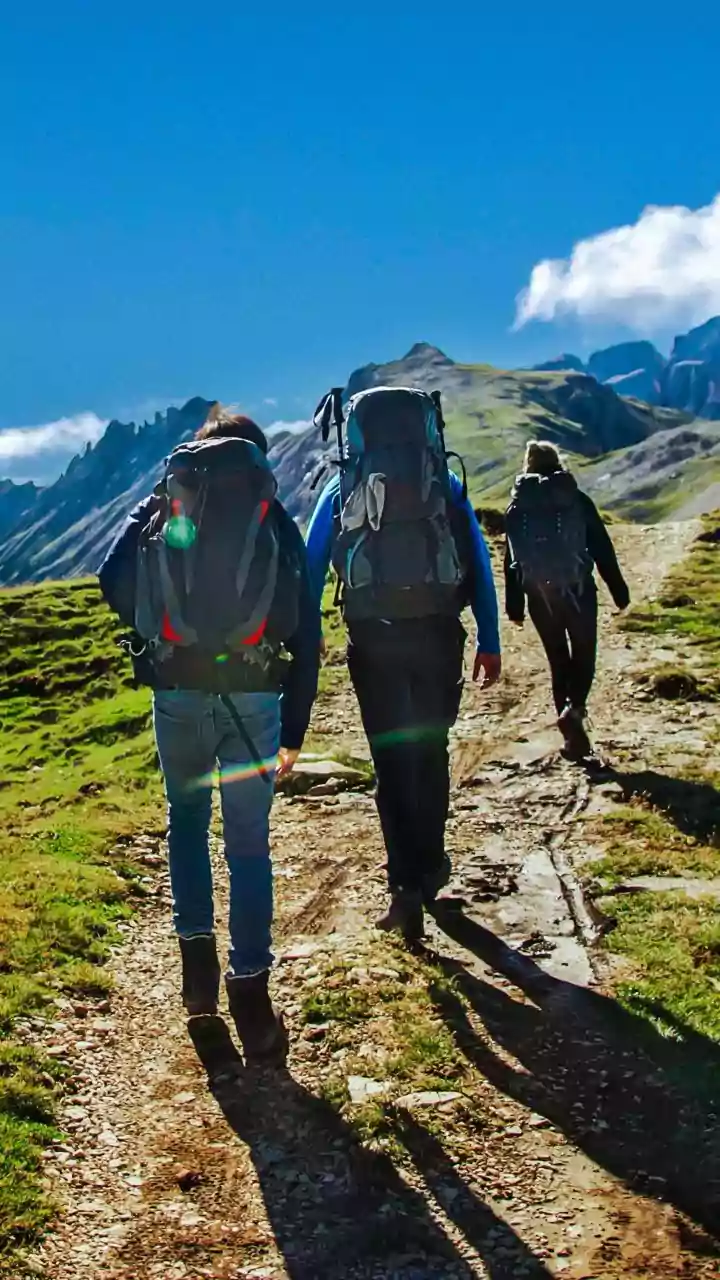
The social dynamics of these two activities can also be a deciding factor. Rowing has a strong tradition as a team sport. Joining a club often means becoming part of a community, training with others, and potentially competing in regattas. This fosters a sense of camaraderie, accountability, and shared purpose, which can be a powerful motivator and a great way to combat feelings of isolation.Hiking offers more flexibility in its social dimension. It can be a deeply solitary experience, providing time for quiet reflection and a personal connection with nature. It can also be a wonderful group activity, enjoyed with friends or family, strengthening bonds over shared experiences and challenges on the trail. Many organised hiking groups exist across India, catering to all skill levels and offering a sense of community for those who seek it.