


A Legacy in a Name
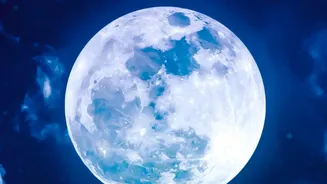
The name 'Hunter's Moon' isn't just poetic; it's a direct link to the changing seasons and ancient traditions. This is the full moon that follows the Harvest Moon—the one closest to the September autumn equinox. Historically, this lunar event was a crucial
signal in both Native American and European cultures. After farmers had cleared their fields during the harvest, the landscape was left open. The bright light of the October full moon, which rises soon after sunset for several consecutive evenings, allowed hunters to track game like deer, which had fattened up over the summer, late into the night. This was the final, critical period for stocking up on meat before the lean winter months set in. The name, first recorded in English in 1710, captures this essential rhythm of survival.
The Science of the Autumn Moon
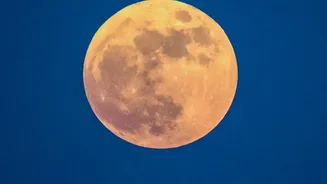
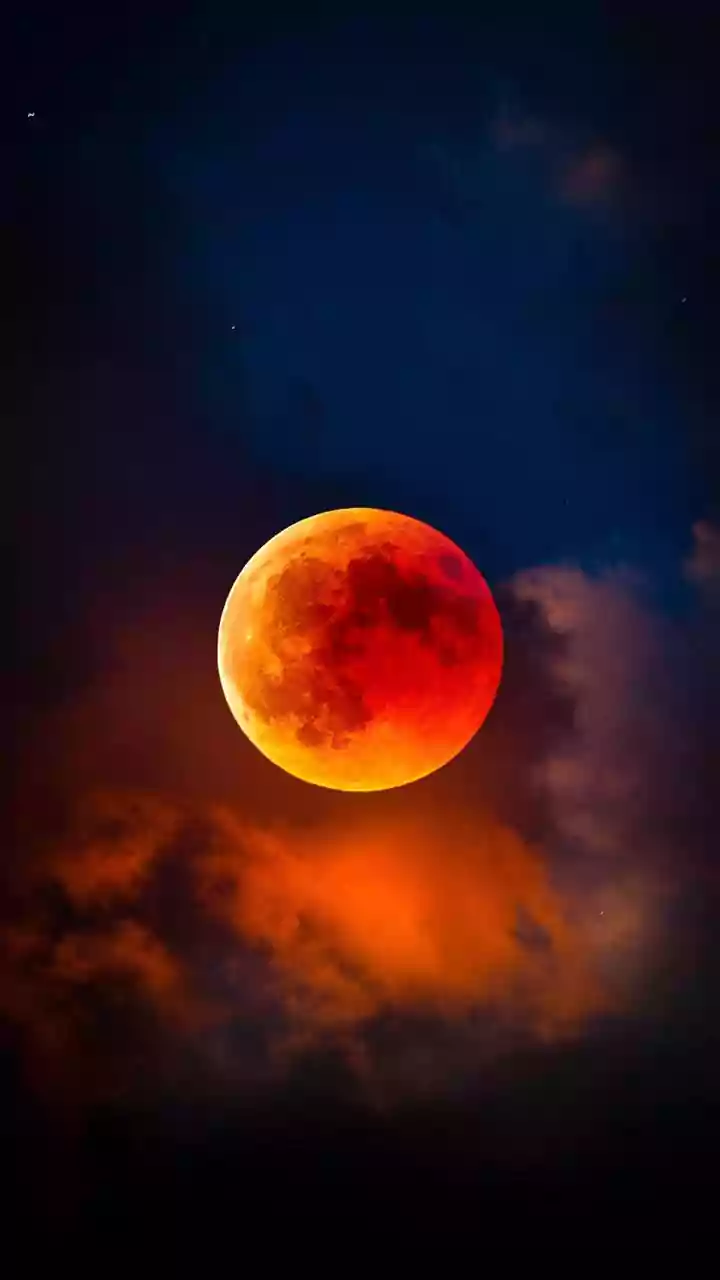
While the Hunter's Moon might not physically be bigger or brighter than other full moons, it has a unique orbital characteristic that creates a special effect. Typically, the moon rises about 50 minutes later each night. However, during the autumn months in the Northern Hemisphere, the moon's orbital path makes a narrower angle with the evening horizon. This causes the full moon around this time—both the Harvest and Hunter's moons—to rise only about 30 minutes later each successive evening. The result is a prolonged stretch of bright moonlight in the early evening, effectively reducing the period of darkness between sunset and moonrise. Many also notice the moon appears larger and more colourful when it's near the horizon. This is a well-known phenomenon called the 'Moon Illusion', where our brain perceives the moon as bigger when viewed next to earthly objects like trees and buildings. Its deep orange or reddish hue is caused by Earth's atmosphere, which scatters blue light and allows more red light to reach our eyes when the moon is low in the sky.
When and How to Watch in 2026
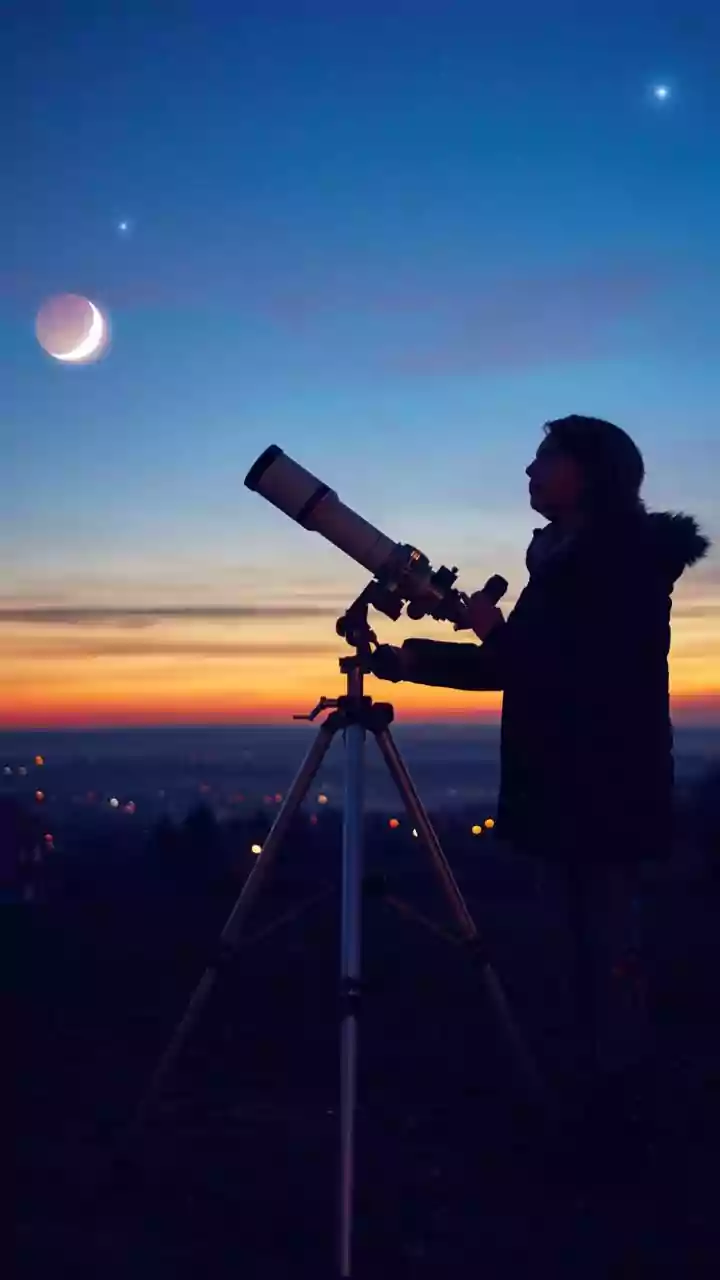
The Hunter's Moon will reach its peak illumination on Monday, October 26, 2026. For viewers in India, this will occur in the early hours of the morning. However, the best time to enjoy the spectacle is not necessarily at its precise peak. The most visually stunning moments are often during moonrise on the evenings surrounding the full moon. Plan to look towards the eastern horizon around sunset on both Sunday, October 25, and Monday, October 26, 2026. You don't need a telescope or any special equipment to enjoy the view. Simply find an open location with an unobstructed view of the horizon. The moon will appear full and brilliant on both nights, giving you ample opportunity to witness its golden ascent.
A Celestial Bonus: The Orionid Meteor Shower
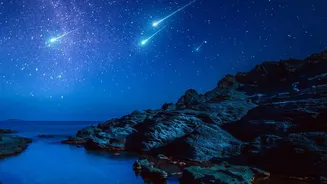
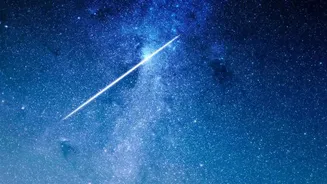
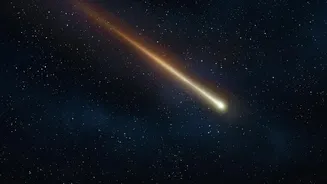
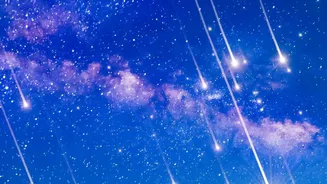
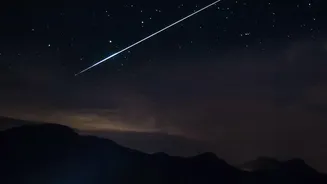
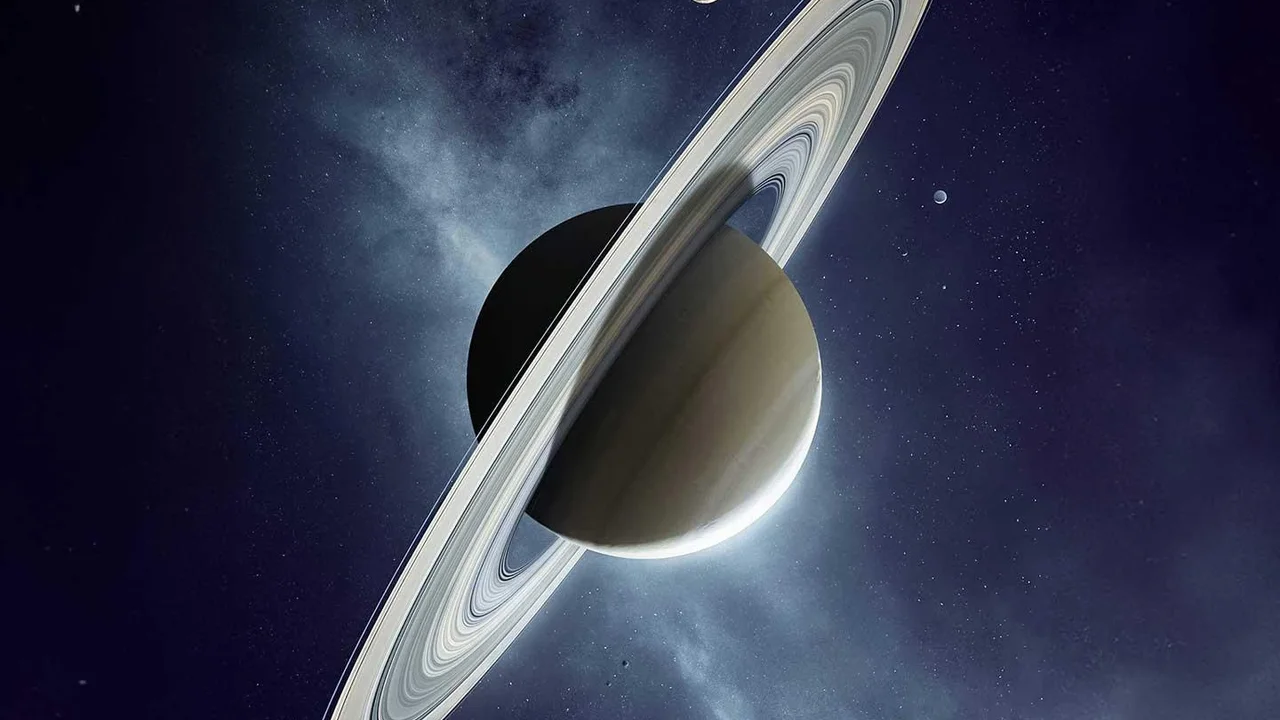
As an added treat for skywatchers, the Hunter's Moon coincides with the activity period of the Orionid meteor shower. Peaking around October 21-22, the Orionids are created from debris left by Halley's Comet. While the bright light of the full moon will wash out some of the fainter meteors, you still have a chance to spot some of these fast-moving 'shooting stars'. The best viewing window for the Orionids in 2026 will be in the pre-dawn hours, after the moon has set. So, after you've enjoyed the splendour of the moonrise, you might consider an early morning watch for a chance to see a fireball from this historic meteor shower. The moon will also be near the planet Saturn in the night sky, creating a beautiful pairing for stargazers.