


Start with a Wardrobe Audit
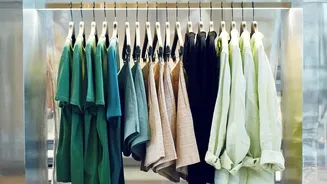
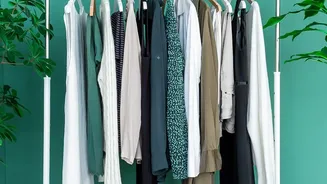
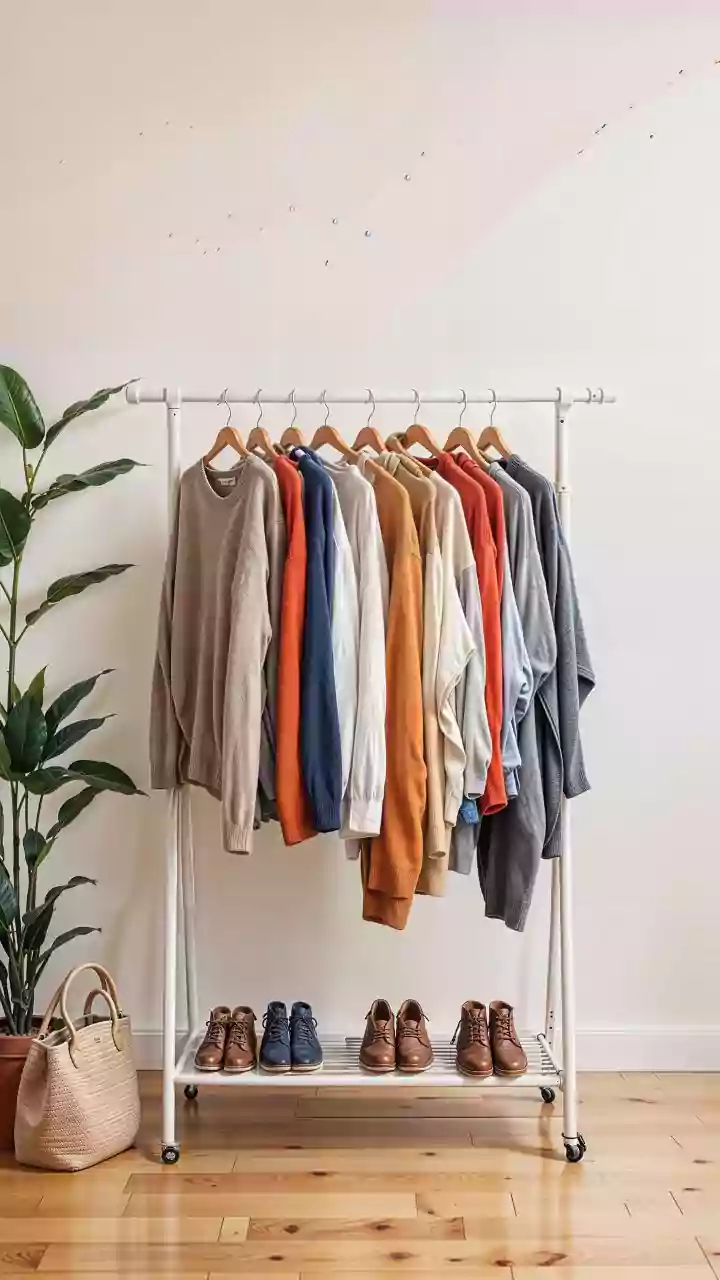
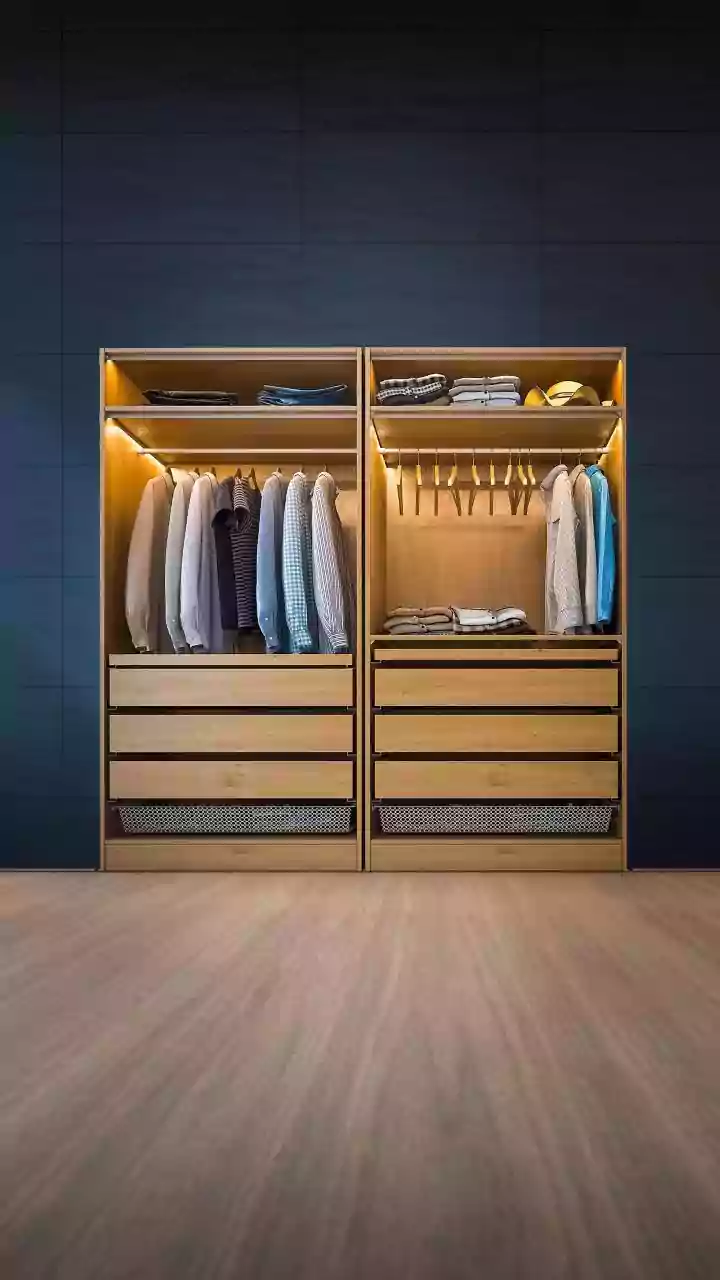
Before you can identify gaps, you need a clear picture of your inventory. The first step is to pull everything out of your closet for the current season. Create three distinct piles: Keep, Donate/Sell, and Discard. Be honest with yourself. Keep only the items
that fit well, are in good condition, and genuinely make you feel confident when you wear them. Anything that is worn out, fits poorly, or no longer suits your lifestyle should go. This isn't about creating scarcity, but about creating clarity. By removing the clutter, you can finally see the true potential of the clothes you've chosen to keep.
Identify Your Real-Life Uniform
Next, focus on the 'Keep' pile. Take note of the pieces you reach for over and over again. These items are the foundation of your personal style. Ask yourself what they have in common—is it the fit, the fabric, the colour, or the comfort level? Understanding why you love these core pieces helps you define your style beyond fleeting trends. It’s also crucial to consider your actual daily activities. If your week is mostly casual but your closet is full of formal wear, there's a disconnect. Your wardrobe should serve the life you lead now, not an imaginary one.
Test Outfits to Find the Gaps
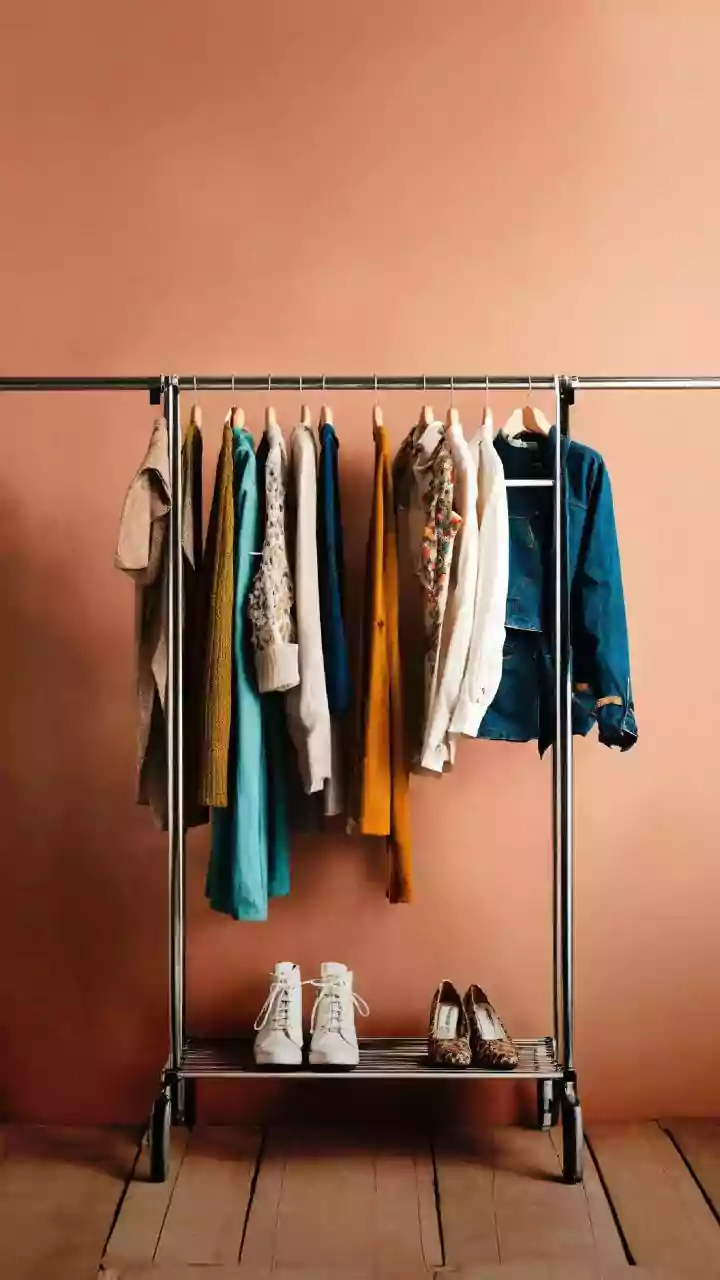
With your core items identified, start playing dress-up. The goal is to create as many complete outfits as possible by mixing and matching what you own. Try pairing every top with every bottom. Experiment with different colour combinations and accessories to see how they transform a look. As you do this, you'll start to notice where the real gaps are. A gap isn't just a desire for something new; it's a functional hole. For example, you might realise you have several great blouses for work but no smart trousers to pair them with, or beautiful dresses but no versatile footwear that works with them. Keep a running list of these specific missing links.
Simulate Before You Shop
Once you have a list of potential gaps, the final test begins. Before buying that new blazer you think you need, try to simulate its function with something you already own. Can a cardigan create a similar layered effect? Can a different combination of existing pieces solve the problem? This process helps you distinguish between a genuine need and a passing want. If you consistently find yourself unable to complete multiple outfits for a recurring occasion in your life, you have likely identified a true wardrobe gap. This thoughtful pause prevents impulse purchases that lead to regret and waste.
Shop with Intention
When a gap is confirmed, you can now shop with purpose. Your goal is not just to buy an item, but to acquire the right item. Refer to your list and be specific about what you’re looking for—the exact cut, colour, and fabric that will integrate seamlessly with your existing clothes. Prioritise quality over quantity; a well-made, versatile piece will serve you far better than several cheaper, trend-driven alternatives. Before purchasing, ask yourself if you can create at least three to five outfits with it using pieces you already own. This ensures every new addition adds value and extends the life and utility of your entire wardrobe.