






The 10-Minute Delivery Dilemma
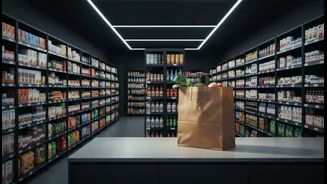
Quick commerce has revolutionised grocery shopping, but the promise of speed can sometimes create risks. The entire model is built on a network of 'dark stores'—small, decentralised warehouses—that allow for rapid dispatch. However, the pressure to operate
at high speed can lead to lapses in quality control. Recent actions by the Food Safety and Standards Authority of India (FSSAI) against major platforms highlight these challenges. Complaints have included the delivery of expired products, rotten vegetables, and contaminated goods, raising questions about storage conditions and cold chain management within this fast-paced system. While regulators are increasing scrutiny, these incidents serve as a powerful reminder that the final check often happens in our own kitchens.
Decoding the Date Label: 'Best Before' vs. 'Use By'
One of the biggest areas of confusion for consumers is the date printed on the package. According to FSSAI, there is a critical difference. 'Best Before' indicates the period during which the food will retain its optimal quality, including taste and texture. A product might be safe to consume for a short while after this date, but its quality may have diminished. 'Use By' or 'Expiry Date', however, is a clear safety deadline. Consuming a product after this date is unsafe and can pose health risks. This is especially true for perishable items. Understanding this distinction is the first step towards making smarter, safer choices, whether you're shopping online or in a store.
Your Senses Are Your Best Defence
Date labels are a guide, but they don't tell the whole story. Your own senses—sight, smell, and touch—are invaluable tools for detecting spoilage. For fresh produce, look for mould, soft or mushy spots, and discoloration. With meat and poultry, a slimy texture, discolouring, or an off-smell are clear warning signs. Dairy products often develop a sour odour, curdled texture, or visible mould when they spoil. For packaged goods, a bulging can or a package that hisses upon opening can indicate bacterial gas production and should be discarded immediately. Never taste food to check if it's spoiled; a visual and olfactory check is usually enough to make a safe call.
The Golden Rules of Grocery Storage
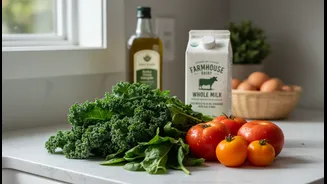
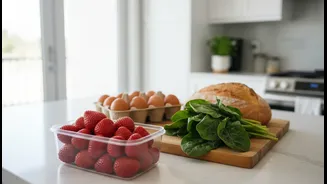
Proper storage begins the moment your groceries arrive. In India's warm climate, the 'danger zone' for bacterial growth (between 5°C and 60°C) is a constant concern. Perishable items like dairy, meat, and cooked leftovers must be refrigerated promptly. A key rule is to let hot food cool down before sealing and storing it, as trapped steam creates moisture that accelerates spoilage. Keep your pantry cool, dark, and dry. Transfer staples like flour, dals, and spices into airtight containers to protect them from moisture and pests. Store vegetables and fruits correctly; some, like leafy greens, need refrigeration, while others, like potatoes and onions, prefer a cool, dark cupboard. Separating different food types also prevents cross-contamination.
Your Quick-Commerce Inspection Checklist
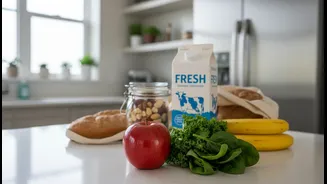
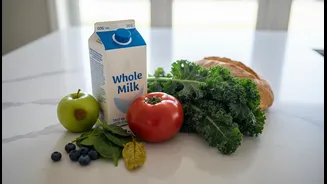
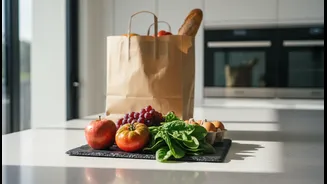
When your instant delivery arrives, don't just put it away. Take a moment to conduct a quick inspection. First, check all perishable items. Are the frozen goods still solid? Do chilled products like milk and yogurt feel cold to the touch? A broken cold chain is a major red flag. Next, examine fresh produce for any signs of mould, wilting, or damage. For packaged goods, quickly glance at the 'Use By' or 'Best Before' dates. FSSAI guidelines suggest delivered products should have a significant portion of their shelf life remaining. Finally, check for damaged packaging, which can compromise the safety of the contents. If anything seems off, don't hesitate to use the app's complaint feature immediately to report the issue and request a refund or replacement.