





The Science of Soreness
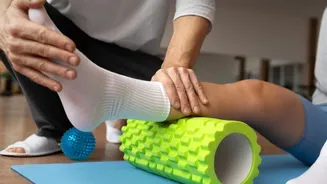
To understand recovery, we first need to understand the ache. That stiffness you feel a day or two after an intense workout is called Delayed Onset Muscle Soreness, or DOMS. It’s the result of microscopic tears in your muscle fibres and the subsequent
inflammatory response as your body gets to work repairing them. While this process is necessary for muscles to grow stronger, excessive inflammation can increase pain and lengthen the time you need to recover before your next session. The goal of any recovery aid is to manage this inflammation and support the repair process, allowing you to get back to training faster and more effectively.
Nature's Anti-Inflammatory Powerhouse
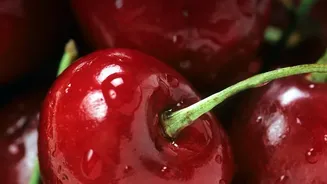
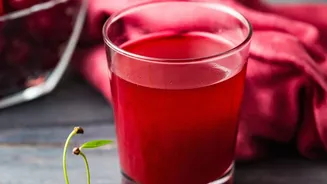
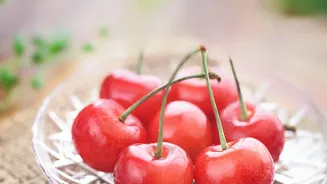
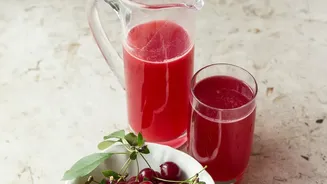
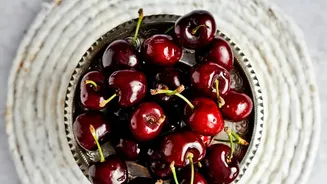
Enter tart cherry juice. This ruby-red drink, particularly from the Montmorency variety, is packed with potent bioactive compounds called anthocyanins. These are the natural pigments that give cherries their deep colour, and they are powerful antioxidants and anti-inflammatories. Research suggests these compounds work in a way remarkably similar to some non-steroidal anti-inflammatory drugs (NSAIDs) by inhibiting COX-1 and COX-2 enzymes, which are key drivers in the inflammatory process. Studies have shown that athletes who drink tart cherry juice before and after strenuous events report less muscle pain and experience faster recovery of strength. The juice appears to reduce muscle damage, lower markers of inflammation, and increase the body's total antioxidant capacity.
The Synthetic Supplement Approach
On the other side of the aisle are synthetic post-workout supplements. This is a broad category that can include everything from isolated branched-chain amino acids (BCAAs) and creatine to lab-created anti-inflammatory pills. These products are designed to target specific pathways. For instance, BCAAs are meant to provide the building blocks for muscle protein synthesis directly, while other pills might contain isolated chemical compounds to block inflammation. The main drawback is that these supplements are often just that—isolated. They lack the complex blend of cofactors and micronutrients found in whole foods. Furthermore, the supplement industry is not always tightly regulated, which can lead to issues with purity, dosage, and sometimes even the presence of unlisted or risky substances.
Why Whole Food Synergy Wins
The key advantage of tart cherry juice lies in its synergy. Unlike a synthetic supplement that provides an isolated compound, the juice delivers anthocyanins alongside a whole ecosystem of other phytonutrients, vitamins, and minerals that work together. This whole-food matrix can enhance absorption and provide broader benefits. For example, tart cherries are also a natural source of melatonin, which can improve sleep quality—a critical component of muscle recovery. In contrast, synthetic supplements often contain artificial additives, and their isolated nature means you might be missing out on the complementary benefits provided by a whole food source. While a high-quality, third-party tested supplement can be effective, tart cherry juice offers a safe, food-based option that supports the body's recovery process on multiple fronts without the potential risks associated with some synthetic products.
How to Incorporate Tart Cherry Juice
If you want to try it, consistency and timing are key. Most studies involve drinking the juice for several days leading up to a strenuous event and for a couple of days after. A common dosage is around 240-350 ml of juice (or the equivalent concentrate) twice a day. Look for 100% tart cherry juice without added sugars, as high sugar content can work against the anti-inflammatory benefits. While it's not a magic bullet, incorporating tart cherry juice can be a simple and effective part of a holistic recovery strategy that includes proper nutrition, hydration, and adequate sleep.