




What Exactly Is the Shoulder Season?
In the travel industry, the year is typically divided into three parts: peak season, off-season, and the period connecting them, known as the shoulder season. It's the sweet spot just before or after a destination's busiest time. For many places in the Northern
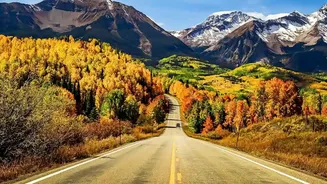
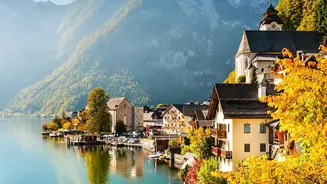
Hemisphere, this often means spring (March-April) and autumn (September-October). However, the exact timing varies depending on the location's climate and main attractions. For a ski resort, it might be the weeks after the New Year's rush, while for a beach town, it could be late spring before school holidays begin. It represents a middle ground, offering a taste of the peak season's good weather without the drawbacks of the off-season, like potential closures or unpredictable conditions.
The Triple Advantage: Costs, Crowds, and Comfort
The most significant benefit of shoulder season travel is the cost savings. Flights, hotels, and even tours can be considerably cheaper as demand tapers off. One travel agency noted a family saving over $2,400 on flights from the US to India simply by shifting their travel dates by six weeks into the shoulder season. Beyond the budget-friendly prices, the experience on the ground is often far more pleasant. Popular attractions, from historical monuments to famous restaurants, have fewer visitors and shorter queues. This allows for a more relaxed pace and a more authentic connection with the destination. Furthermore, the weather during these periods is frequently more comfortable than the extreme heat or cold of peak seasons, making outdoor activities and sightseeing more enjoyable.
Shoulder Seasons for Indian Travellers
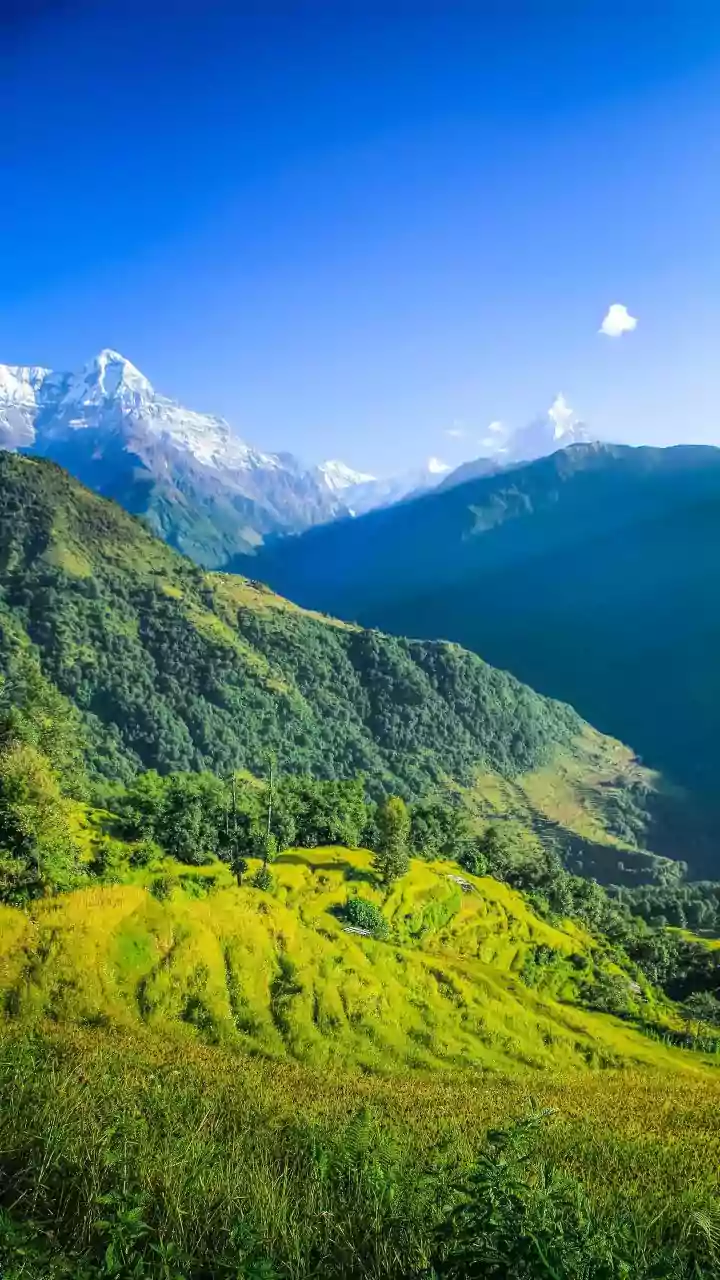
For those planning trips from India, understanding regional shoulder seasons is key. In Europe, spring and autumn generally offer milder weather and smaller crowds in hotspots like Greece and Spain. Closer to home, destinations in Southeast Asia like Bali and Thailand have their own rhythms. For instance, Bali sees leaner crowds and discounted prices in November and December, while Thailand's shoulder season often falls in June and July. Within India, the windows vary. For Himalayan destinations like Himachal Pradesh and Uttarakhand, the months of April-May and September-October are ideal, offering lush landscapes after the snow melts or the monsoon recedes. For coastal areas like Goa and Kerala, the period from September to early November provides green scenery and quiet beaches before the peak winter crowds arrive. Even Rajasthan's majestic forts are best explored in the pleasant weather of October-November or February-March.
Are There Any Downsides?
While the benefits are compelling, shoulder season travel isn't without potential drawbacks. The weather can be more unpredictable than during the stable peak season, so packing for a range of temperatures is wise. Some businesses, particularly in highly seasonal tourist towns, may have reduced hours or could be closed entirely. This could affect everything from restaurant choices to the frequency of public transport like local buses or ferries. It’s always a good idea to research your specific destination to ensure the attractions and experiences you’re looking forward to will be available. However, for most travellers, these minor trade-offs are a small price to pay for a more affordable and relaxed vacation.