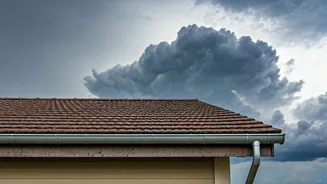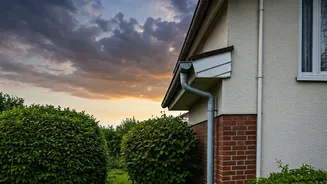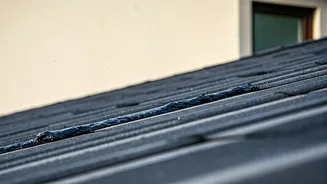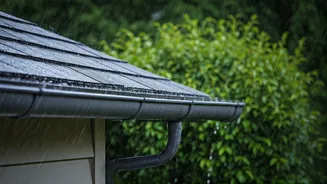







Check Your Roof and Terrace
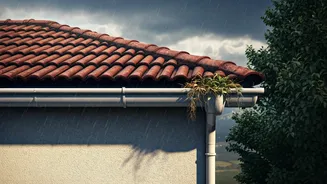
Your roof is your home's primary shield against the monsoon. Before the downpours begin, conduct a thorough inspection. Look for any visible cracks, loose tiles, or gaps in the waterproofing. Debris like fallen leaves and twigs can accumulate and block
water flow, leading to pooling and seepage. Clear it all away. If you spot significant damage or your terrace waterproofing is old, it’s wise to get a fresh coat of a reliable waterproofing compound applied by a professional. This isn't just about preventing leaks; it's about protecting the structural integrity of your entire home from long-term water damage.
Inspect Walls for Cracks
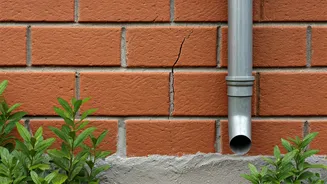
Exterior walls take a beating from the wind and rain. Over time, small cracks can develop, becoming entry points for moisture. This leads to ugly damp patches, peeling paint, and the growth of mould and mildew inside your home. Take a walk around your property and identify any fissures. Small cracks can be filled with waterproof sealants or putty available at any hardware store. For larger cracks or widespread peeling, consider applying a coat of waterproof exterior paint. This not only seals the wall but also gives your home a fresh, clean look before the grey skies set in.
Unclog Drains and Gutters
This is one of the most critical and often-neglected tasks. Gutters, downpipes, and drainage outlets on your terrace and balconies can get clogged with dust, leaves, and plastic waste during the dry months. When the rains come, blocked drains cause water to overflow, seeping into walls and foundations. Use a sturdy brush or a high-pressure hose to clear all drainage pathways. Ensure the water has a clear, unobstructed route away from your home’s foundation. This simple step prevents waterlogging around your property and protects your home from potentially severe foundational damage.
Secure Your Windows and Doors
Wind-driven rain can easily find its way through gaps around windows and door frames. Check the rubber seals and gaskets. If they are worn out or cracked, they must be replaced. For wooden doors and windows that tend to swell and get stuck during the monsoon, a little maintenance helps. Sanding them down slightly and applying a fresh coat of waterproof varnish or paint can prevent moisture absorption. Also, check that all locks and latches are working correctly to keep windows and doors shut tight against strong winds and rain.
Prioritise Electrical Safety
Water and electricity are a deadly combination. Before the monsoon, it is crucial to get a qualified electrician to inspect your home's wiring. Pay special attention to any external wiring, outdoor light fixtures, and doorbell connections. Ensure all electrical boxes are properly covered and sealed from moisture. Inside, check for any wiring that is exposed or located near areas prone to dampness. Using an Earth Leakage Circuit Breaker (ELCB) is highly recommended, as it can automatically cut off the power supply in case of a current leakage, preventing electric shocks.
Prepare Your Outdoor Spaces
If you have a garden, balcony, or patio, prepare it for the onslaught. Prune overgrown trees and large branches that could potentially fall and damage your property or power lines during a storm. Ensure potted plants have proper drainage holes to prevent waterlogging, which can kill the plants and create a breeding ground for mosquitoes. Move any outdoor furniture made of wood or metal to a covered area, or use waterproof covers to protect them from rust and rot. Securing these items prevents them from being tossed around by strong winds, averting potential damage.