





Nature's Free Watering Can
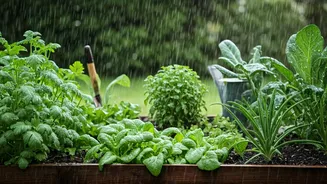
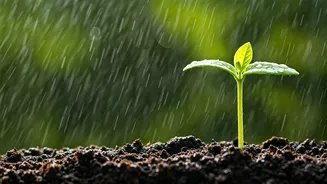
The most obvious advantage of the monsoon is the consistent, natural irrigation. For a beginner, the daily chore of watering can be daunting. How much is too much? Did I forget? The rainy season takes most of that guesswork away. The frequent showers
provide your plants with soft, chlorine-free water that is far better than treated tap water. This consistent moisture helps seeds germinate faster and encourages young saplings to establish strong roots. The high humidity also reduces water loss from leaves, allowing plants to focus their energy on growth rather than just survival.
Soil That's Ready to Work
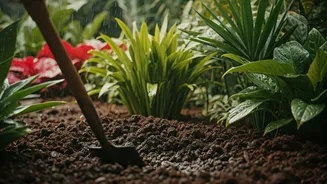
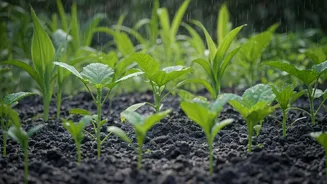
If you've ever tried to dig into hard, sun-baked summer soil, you know how much effort it takes. During the monsoon, the soil becomes soft and pliable, making it incredibly easy to work with. This is a huge benefit for beginners setting up new garden beds or filling pots. The earth is more receptive to tilling, mixing in compost, and creating the perfect foundation for your plants. This is the ideal time to prepare your growing medium. A good mix for pots is one part soil, one part compost (like vermicompost), and one part cocopeat or sand to ensure good drainage.
Choosing Your Monsoon Champions
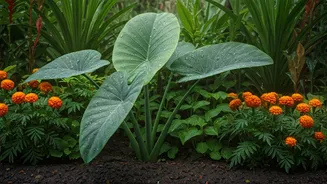
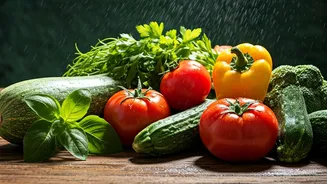
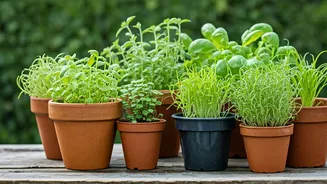
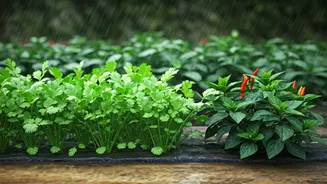
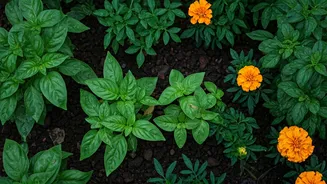
Not all plants are created equal, especially when it comes to thriving in the rains. The key is to choose varieties that love water and humidity. For vegetables, this is the prime season for gourds (lauki, turai), beans, bhindi (okra), cucumbers, and leafy greens like spinach and amaranth. If you fancy a bit of spice, chillies and brinjal (eggplant) do exceptionally well. For those who want a splash of colour, monsoon is the best time for flowering plants like marigold, hibiscus, balsam, and cosmos. Herbs like tulsi (holy basil), mint, and lemongrass also flourish in these conditions, giving you a fresh supply for your kitchen chai.
The Golden Rule: Drainage is Everything
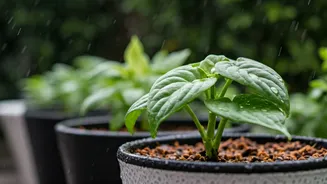
While the rain is a blessing, it can become a curse if your plants are sitting in stagnant water. This leads to root rot, the number one killer of potted plants during the monsoon. The solution is simple: ensure excellent drainage. If you're using pots, make sure they have at least one, preferably more, drainage holes at the bottom. You can even elevate your pots slightly on bricks or pot stands to allow water to escape freely. For garden beds, mix in sand or perlite to make the soil less compact. Avoid placing trays or plates under pots that can collect excess water.
A Note on Watering and Pests
It might sound counterintuitive, but you still need to monitor your plants' water needs. If there's a dry spell for a couple of days, your plants, especially those in smaller pots, might still need watering. The best way to check is to touch the top inch of soil. If it feels dry, it's time to water. The high humidity also creates a welcoming environment for pests like mealybugs and fungal diseases. Be vigilant. Inspect your plants every few days. A simple, organic solution for many pests is a spray of neem oil mixed with water and a drop of liquid soap. This acts as a repellent without harming your plants or the environment.