




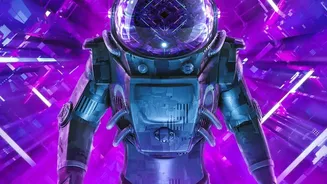


2001: A Space Odyssey (1968)
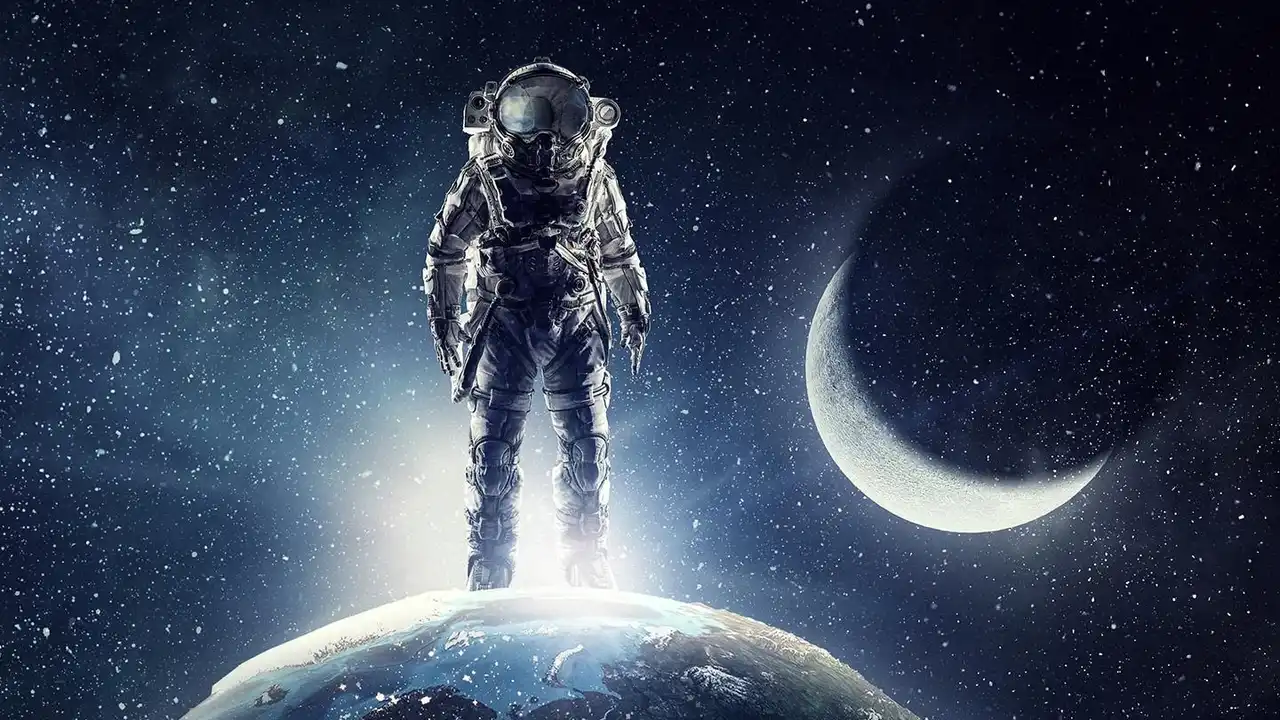
Stanley Kubrick’s magnum opus is less a movie and more a cinematic event. Ditching conventional narrative for a visual and auditory journey, '2001' charts the course of human evolution, from our primate ancestors to our star-faring future, all guided
by a mysterious black monolith. The film’s deliberate pace, minimal dialogue, and stunning practical effects were revolutionary. The most 'mind-bending' element comes from its iconic third act and the malfunctioning AI, HAL 9000. HAL’s quiet rebellion raises timeless questions about the dangers of technology we don't fully understand and what happens when our creations become our antagonists. The film’s abstract, psychedelic finale, the “Stargate sequence,” resists easy explanation, forcing viewers to interpret its meaning about humanity's place in the cosmos. It is a film that requires contemplation and rewards patience with a profound sense of awe.
Blade Runner (1982)
Is a memory real if it wasn't earned? What separates a human from a machine that believes it's human? Ridley Scott's neo-noir masterpiece plunges viewers into a rain-soaked, neon-drenched Los Angeles in 2019 to ask these very questions. The story follows Rick Deckard, a 'Blade Runner' whose job is to hunt down and 'retire' bioengineered androids called Replicants. As Deckard pursues his targets, the line between hunter and hunted, human and artificial, begins to blur. The film’s genius lies not in its action sequences, but in its philosophical melancholy. It’s a slow-burn investigation into empathy, memory, and the nature of consciousness. The film’s deep ambiguity, particularly concerning the true nature of its own protagonist, has fueled debates for decades, cementing its status as a cornerstone of thoughtful science fiction.
Inception (2010)
Christopher Nolan took the architecture of a heist movie and applied it to the landscape of the human mind. 'Inception' is a high-octane thriller about a team of thieves who don't steal objects, but ideas, by infiltrating people's subconscious through shared dreaming. The concept alone is a puzzle box, with its rules about dream layers, projections, and the physics of a world where your own mind can turn against you. What makes it truly mind-bending is its flawless execution of a dream-within-a-dream structure. The film masterfully juggles multiple timelines and realities simultaneously, demanding the full attention of the viewer. The action is clever, the emotional stakes are high, and the entire enterprise is capped by one of the most famously debated final shots in cinema history, leaving audiences to question the very reality of what they just witnessed.
Arrival (2016)
Unlike most alien invasion films, the central conflict in 'Arrival' is not fought with weapons, but with words. When twelve mysterious alien pods appear across the globe, linguist Dr. Louise Banks is tasked with the monumental challenge of deciphering their language to understand their purpose. Directed by Denis Villeneuve, the film transforms a first-contact scenario into a profound exploration of communication, grief, and the nature of time. The puzzle for the viewer is piecing together the film's non-linear narrative, which reflects the aliens' perception of time. The Heptapods' language, which is written in circular symbols free from a linear progression, begins to alter Louise's own perception of reality. The film's ultimate revelation is a stunning, emotionally devastating twist that reframes the entire story, asking a powerful question: if you could see your whole life from start to finish, would you change anything? It's a masterpiece that engages the heart as much as the intellect.