




The Illusion of Endless Choice
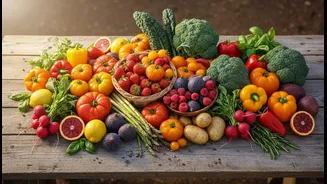
Walk into any modern supermarket, and you'll find a world without seasons. Mangoes in December, strawberries in September, and asparagus year-round. This globalised pantry, where everything is always available, feels like the ultimate convenience. But
this illusion of choice comes at a cost. Produce is often harvested before its peak, treated with chemicals for its long journey, and loses significant nutritional value and flavour along the way. The constant availability of every fruit and vegetable erases the very thing that makes them special: their connection to a specific time and place. The joy of anticipation, of waiting for that first bite of a seasonal treasure, is lost in a sea of perpetual, monotonous supply.
Exclusivity Redefined: Time and Place
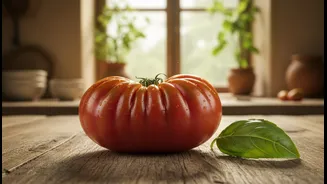
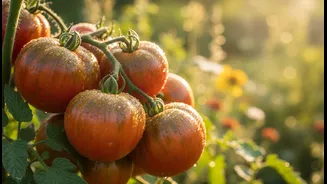
This is where seasonal, local food offers a different, more profound kind of exclusivity. It’s a luxury not of price, but of presence. The experience of eating a particular variety of mango that ripens for only a few weeks a year in a specific region is something that cannot be replicated on demand. It is exclusive to that fleeting moment in the agricultural calendar. This kind of exclusivity connects you to the natural rhythm of the land. It’s about savouring the peak flavour of a perfectly ripe fruit or vegetable, knowing it’s a temporary gift from nature. This experience is often highlighted by India's Geographical Indication (GI) tags, which certify products like the Gir Kesar mango or Vazhakulam Pineapple as unique to their place of origin.
A Taste of India's Seasons
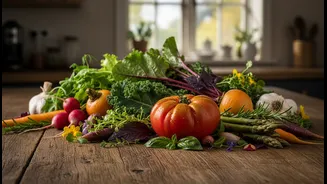
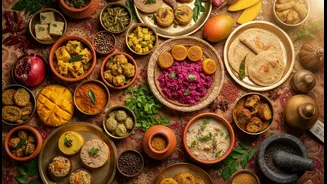
India's diverse climate provides a rich, rotating menu throughout the year. Summer offers cooling, water-rich foods like watermelon, cucumber, and countless varieties of mangoes. The monsoon brings its own unique bounty, including foraged greens like takla and shevlya in Maharashtra and fresh corn (bhutta) that becomes a beloved street food. Winter is a time of nutritional abundance, especially in the north, with vibrant red carrots perfect for Gajar ka Halwa, and leafy greens like sarson (mustard greens) and methi (fenugreek) at their flavourful best. Eating these foods in their prime season isn't just a culinary choice; it’s an act of cultural participation, enjoying dishes like Sarson da Saag that are intrinsically tied to a specific time of year.
More Than Just Flavour
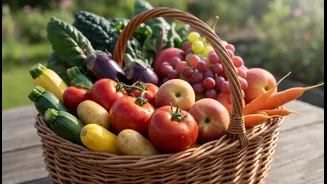
Embracing seasonal food goes beyond taste. Produce harvested at its peak is more nutritionally dense, packed with vitamins and antioxidants that our bodies need. Nature often provides what our bodies require for each season; for example, the Vitamin C-rich citrus fruits of winter help boost immunity against colds and flu. Eating seasonally and locally also supports a more sustainable food system. It reduces food miles, lowers the carbon footprint associated with long-distance transport, and provides crucial support to local farmers and the regional economy. Furthermore, varying your diet with the seasons can improve gut health by introducing a wider variety of foods that feed different beneficial bacteria.
How to Join the Seasonal Movement
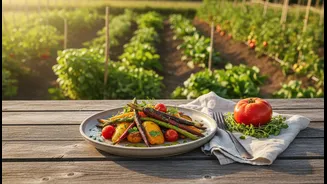
Tuning into the seasons is easier than you think. Start by visiting your local sabziwala or farmers' market and asking what’s fresh and local. Be curious and try vegetables you may not have seen in a supermarket. You might discover a new favourite that only appears for a few weeks each year. Pay attention to what's abundant and affordable, as that's usually a good sign of what's in season. Rather than planning your meals and then shopping, try shopping for what’s in season first and then deciding what to cook. This simple shift can turn every meal into a celebration of the present moment, a delicious connection to your local environment.