



Pack Smart for Damp Conditions
Your packing strategy is the first line of defence against the rain. Opt for quick-drying synthetic fabrics over cotton and denim, which retain moisture and take ages to dry. A lightweight, waterproof jacket or poncho is non-negotiable. Don't forget a sturdy,
wind-resistant umbrella. When it comes to footwear, choose waterproof sandals or boots with a strong grip to navigate slippery surfaces safely. It's wise to pack at least two pairs of shoes so one can dry while you wear the other. Lastly, tuck in a few small silica gel packs into your luggage to absorb moisture and prevent that damp, musty smell from taking over your clothes.
Shield Your Electronics and Documents
Water and electronics are a bad mix. To avoid costly damage, your gadgets need extra protection. Use waterproof cases or sleeves for your phone, camera, and laptop. For a budget-friendly alternative, zip-seal plastic bags can provide a reliable barrier against moisture for smaller items and documents like your passport and tickets. It's a good practice to 'double waterproof' your most important items by placing them in a sealed bag inside a supposedly waterproof section of your luggage. Always carry a fully charged power bank, as weather-related delays or power cuts can leave you searching for a socket.
Choosing Your Mode of Transport
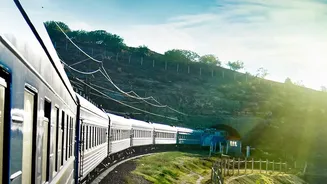
Heavy rains can severely disrupt travel. Before you leave, always check the latest weather forecasts and traffic updates for your route. If authorities have issued warnings, consider postponing non-essential travel. For long distances, train travel is often more reliable than road travel during the monsoon. Roads can become waterlogged or blocked by landslides, and flights are prone to delays and cancellations. Trains often provide a more comfortable and scenic journey, with routes like the Konkan Railway becoming exceptionally beautiful during the rains. If you must travel by road, consider hiring a local driver who is familiar with the conditions.
Navigating Road Travel Safely
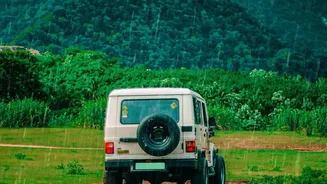
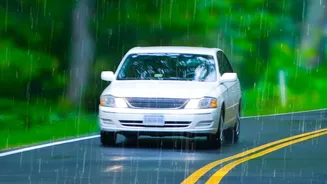
If you are driving, safety must be your top priority. Reduce your speed significantly on wet roads to account for increased braking distances and the risk of skidding. Turn on your headlights to improve visibility for yourself and others. Never attempt to drive through waterlogged areas, as it is difficult to judge the water's depth and you risk stalling your vehicle or encountering hidden dangers. In hilly regions, be extra vigilant for falling rocks or signs of landslides, and avoid driving at night if possible. Always keep an emergency kit in your car with essentials like a first-aid kit, flashlight, dry snacks, and drinking water.
Prioritise Health and Hygiene
The monsoon season can bring a spike in water-borne and mosquito-borne diseases. To stay healthy, drink only bottled, boiled, or filtered water, and be cautious about street food, which can be prone to contamination in humid weather. Opt for freshly cooked meals. Personal hygiene is also crucial; wash your hands frequently and use a hand sanitiser. Avoid walking through stagnant water, as it can be a breeding ground for bacteria and hide dangers like open drains. Pack a basic medical kit with essentials for common ailments like colds, fever, and stomach upsets, as well as an insect repellent and antiseptic cream.