



What Makes a Protein 'Complete'?
Protein is essential for building and repairing tissues, including the muscles you work so hard in the gym. Proteins are made of building blocks called amino acids. There are twenty different types, nine of which are considered 'essential' because our
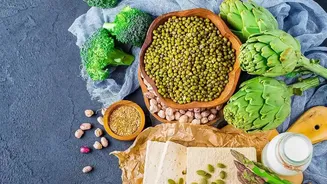
bodies can't produce them. We must get these essential amino acids from our food. A food source is called a 'complete protein' when it contains all nine of these essential amino acids in sufficient amounts. While animal products like meat, eggs, and dairy are classic examples of complete proteins, most plant-based foods are 'incomplete,' meaning they are low in one or more essential amino acids. But this is easily solved through a nutritional strategy called protein complementation.
The Power of Pairing: Lentils and Rice
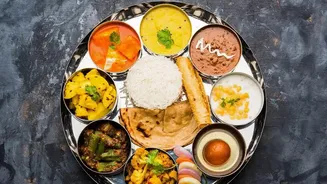
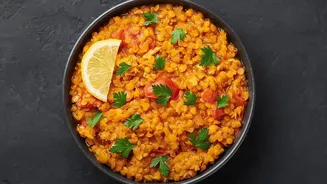
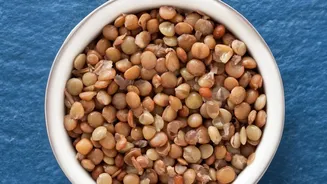
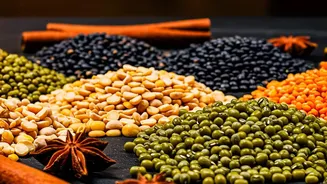
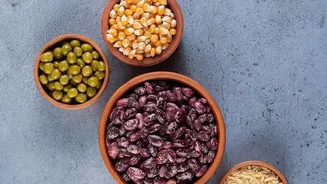
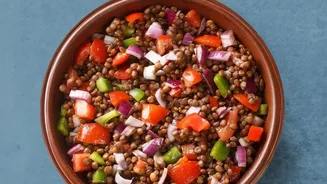
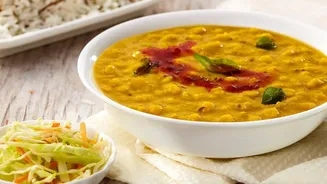
The combination of lentils and rice is a nutritional classic for a reason, celebrated in cuisines worldwide from Indian dal and rice to Middle Eastern mujadara. The science behind this pairing is simple and effective. Lentils are protein powerhouses, but they tend to be low in two essential amino acids: methionine and cysteine. Grains like rice, on the other hand, have plenty of methionine but are typically low in the amino acid lysine. When you eat them together, their amino acid profiles complement each other. The lysine from the lentils makes up for what rice is missing, and the methionine from the rice fills the gap in the lentils. The result is a meal that provides your body with all the essential amino acids it needs for muscle protein synthesis, effectively creating a complete protein.
Don't Forget the Seeds
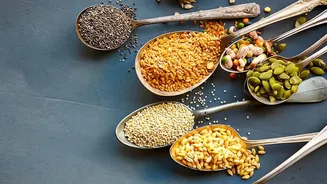
To elevate this combination further, incorporating seeds is a game-changer. While lentils and rice do a great job together, adding seeds provides an extra nutritional boost and can help perfect the amino acid profile. Seeds like pumpkin, sunflower, and sesame are good sources of methionine, further ensuring you're covering any potential shortfalls. Chia seeds and hemp seeds are also notable because they are considered complete proteins on their own, containing all nine essential amino acids. Sprinkling a tablespoon of seeds over your lentil and rice bowl, blending them into a smoothie, or mixing them into a side salad adds not just protein but also healthy fats, fibre, and important micronutrients like magnesium and zinc.
Putting It All Together: Meal Ideas
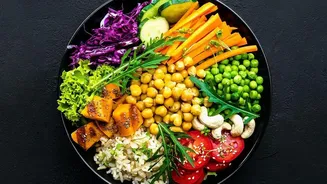
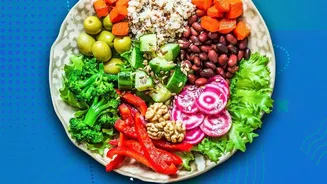
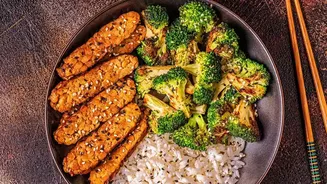
Making this trio a regular part of your diet is simple. You don't always need to eat these foods in the very same meal, as your body maintains a pool of amino acids it can draw from throughout the day. However, combining them makes for a convenient and surefire way to hit your nutritional targets. Start with a classic bowl of steamed rice and dal, and top it with a sprinkle of toasted sesame or pumpkin seeds. You can prepare a large batch of Khichdi, a comforting one-pot dish of rice and lentils, and add a seed mix before serving. For a modern twist, try creating lentil patties and serving them over a bed of quinoa (another complete plant protein) with a side of steamed vegetables. A hearty salad with a base of mixed greens, cooked lentils, brown rice, and a generous topping of sunflower seeds also makes for a perfect post-workout meal.
Maximising Your Results
While forming complete proteins is a smart strategy, it's also important to consider your total protein intake and timing. For active individuals looking to build muscle, ensuring you eat enough protein throughout the day is crucial. Consuming a protein-rich meal within a couple of hours after your workout can help optimize muscle repair and growth. The lentil, rice, and seed combination provides a sustained release of energy from complex carbohydrates alongside the high-quality protein needed for recovery. This makes it an ideal foundation for meals that support both performance and recovery, helping you achieve your fitness goals on a healthy, plant-focused diet.