







Our Sedentary Lives and Aching Backs
For millions of us across India, the day is defined by sitting. We sit at desks, in cars and metros, and on the sofa at the end of a long day. This prolonged sitting, often in a slumped posture, puts continuous strain on the lumbar spine. Over time, this
can lead to weakened core muscles, tight hamstrings and hip flexors, and a misaligned pelvis—a perfect storm for chronic lower back pain. Our bodies are designed for movement, but our lifestyles often confine them. This constant compression and lack of mobilisation is a primary culprit behind the persistent discomfort that plagues so many office workers and daily commuters.
How Yoga Gently Intervenes
Unlike high-impact exercise that can sometimes aggravate back issues, yoga focuses on controlled, gentle movements. The practice works on two main fronts to alleviate pain. First, it focuses on stretching. Poses are designed to lengthen muscles that have become short and tight from sitting, such as the hamstrings and hip flexors. Releasing this tension can immediately reduce the pulling force on the lower back. Second, yoga builds functional strength. By engaging the deep abdominal muscles (the core), you create a natural 'corset' of support for your spine. A stronger core means less work for your back muscles, leading to better posture and reduced strain throughout the day.
The Power of a 'Mindful' Practice
Adding the word 'mindful' to yoga isn't just a trend; it's the very essence of the practice's healing potential. A mindful approach means paying close attention to your body's signals and connecting movement with breath. Instead of pushing into a pose, you learn to listen. Where do you feel the stretch? Is there pinching or pain? This heightened body awareness, or proprioception, is crucial. It helps you recognise and correct poor postural habits even when you're off the mat. Furthermore, mindfulness and controlled breathing (pranayama) have a profound effect on the nervous system, helping to calm the stress response. Since stress often causes muscles to tense up and can amplify the perception of pain, this mental component is just as important as the physical postures.
Key Poses for Back Relief
A guided class is the best way to ensure proper form, but some foundational poses are known for their back-soothing properties. The Cat-Cow stretch (Marjaryasana-Bitilasana) is a gentle spinal mobilisation that warms up the back and improves flexibility. Child's Pose (Balasana) provides a passive, gentle stretch for the entire back body, releasing tension from the neck to the sacrum. A Gentle Supine Twist allows for a safe rotation of the spine, which can help relieve stiffness. These poses aren't about achieving a perfect shape but about finding a comfortable range of motion that feels restorative for your unique body.
Why the Sunset Setting Matters
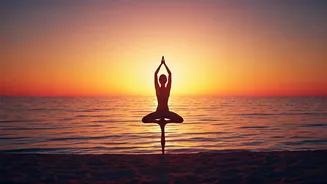
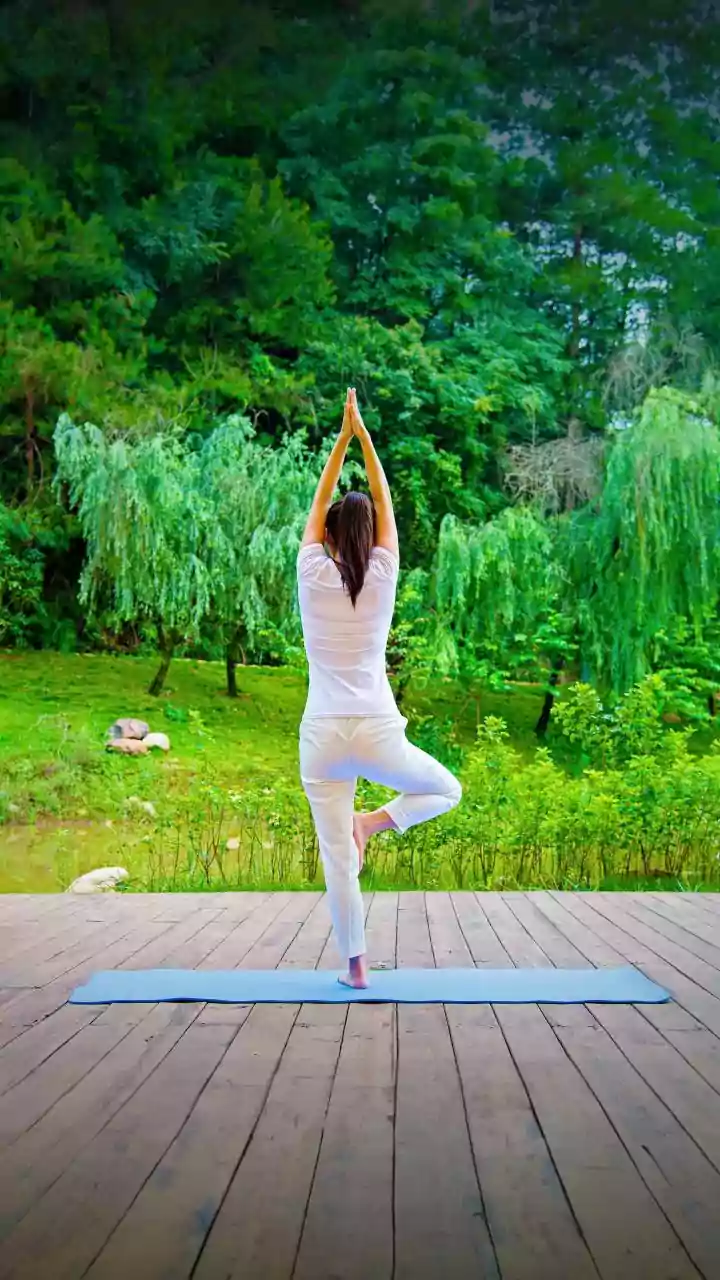
Practicing yoga outdoors, especially during the tranquil hours of sunset, elevates the experience from a simple exercise to a restorative ritual. The setting sun provides a natural focal point for meditation, helping to quiet a busy mind. The shift from the heat of the day to the coolness of the evening mirrors the practice's goal: to transition from a state of stress and tension to one of calm and release. Being in a natural environment has been shown to lower cortisol levels and promote a sense of well-being, complementing the stress-reducing benefits of the yoga practice itself. It turns a session for your back into nourishment for your soul.